
The Qur'an Leads the Way to Science: Believing Scientists Who Lived in the Past
Contents
- Introduction
- Intelligent Design, That Is, Creation
- Religion Encourages Science
- Religion Ensures That Science Is Rightly Guided
- Religion and Science Are Always in Agreement
- The Scientific Miracles of the Qur'an
- Scientists Who Believed
- Believing Scientists Who Lived in the Past
- Other Believing Scientists Who Lived in the Past
- Believing Scientists of Our Time
- Muslim Scientists
- Other Believing Scientists of Our Time
- Conclusion
- Notes

Roger Bacon (1220-1292)
"The grace of faith is very great"55
Roger Bacon, known to his contemporaries as "the great doctor", was an English man of religion and of science who put an end to outdated traditions in science by giving priority to the experimental method. Bacon, who believed that God created light in order to enable people to see, carried out observations in this field and foretold, hundreds of years in advance, many technical innovations that could not easily have been imagined in the age in which he lived.
Steam-powered ships, trains, cars, aeroplanes, cranes and suspension bridges are just some of the technical innovations that Bacon foretold as early as the 13th century.
In a letter he wrote to a friend, Bacon said:
"In the future, ships and sea craft will be built that are steered by a single person and move faster than a ship propelled by many oarsmen, and machines that travel at incredible speed without using the strength of any animal."56

In addition, Bacon explained the magnifying property of lenses and their fields of use, and was the first to realise that the light coming from the stars does not reach the Earth at the same time. 200 years before Christopher Columbus was born, he said that the Earth is not flat but spherical, and that it is possible to reach India by travelling westwards from Europe.
Bacon, who believed that the information he obtained as a result of the experiments he carried out would benefit people of faith, said:
"As we shall see in the future, now and in the past, science is useful to believers."57
As a researcher, Bacon said that science is not in conflict with religion, but that, on the contrary, science is an important means of persuasion to be used with unbelievers.
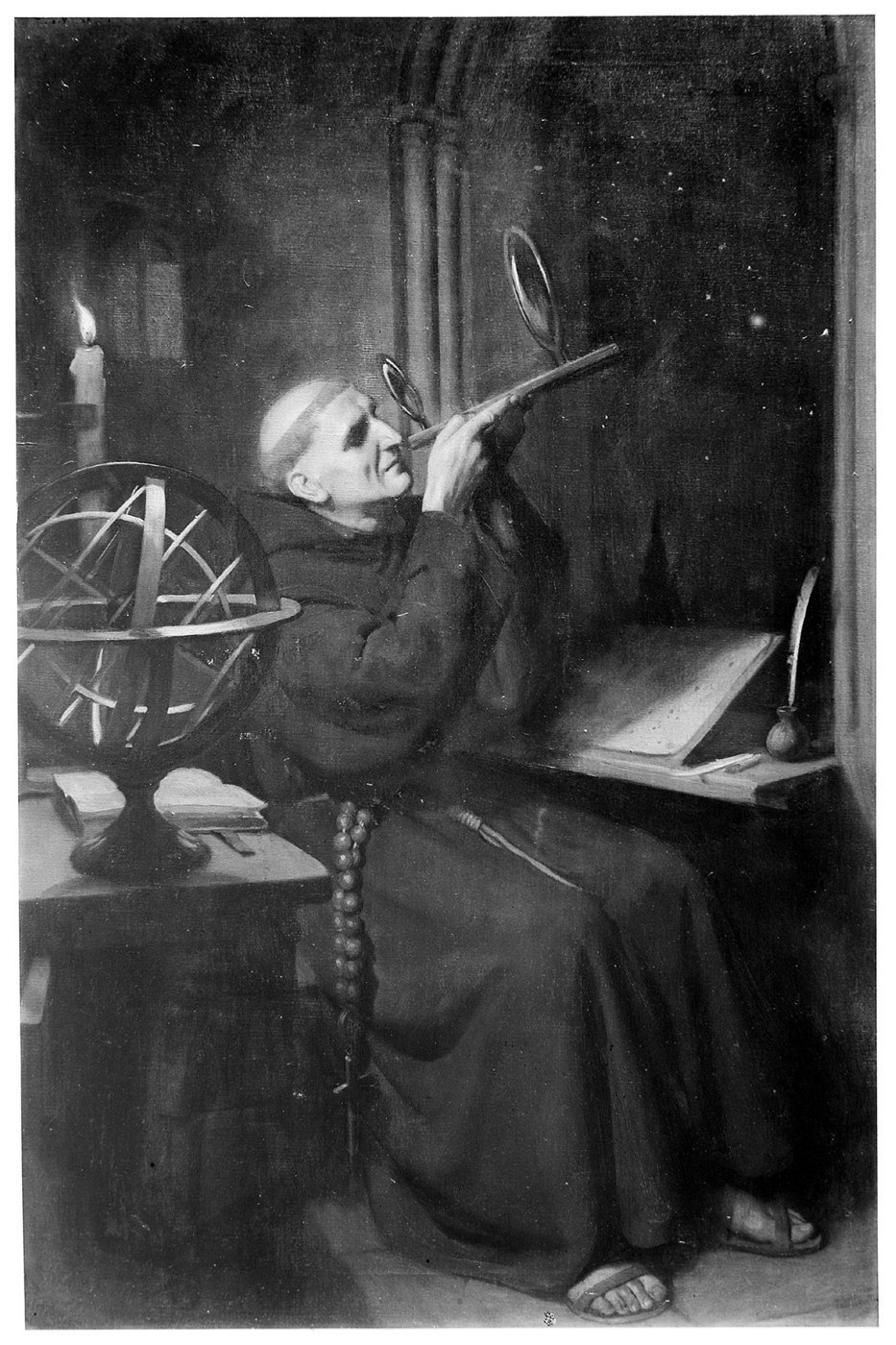
The saying "Science has the great advantage of enabling people to accept the faith" is his.58
Francis Bacon (1561-1626)
The famous scientist Bacon, regarded as one of the founders of the scientific method, is known as a person of strong faith.
In the Novum Organum Francis Bacon stated that scientific research brings man closer to the Creator, and that natural philosophy (science) is "after the word of God at once the surest medicine against superstition, and the most approved nourishment for faith".59
Galileo Galilei (1564-1642)
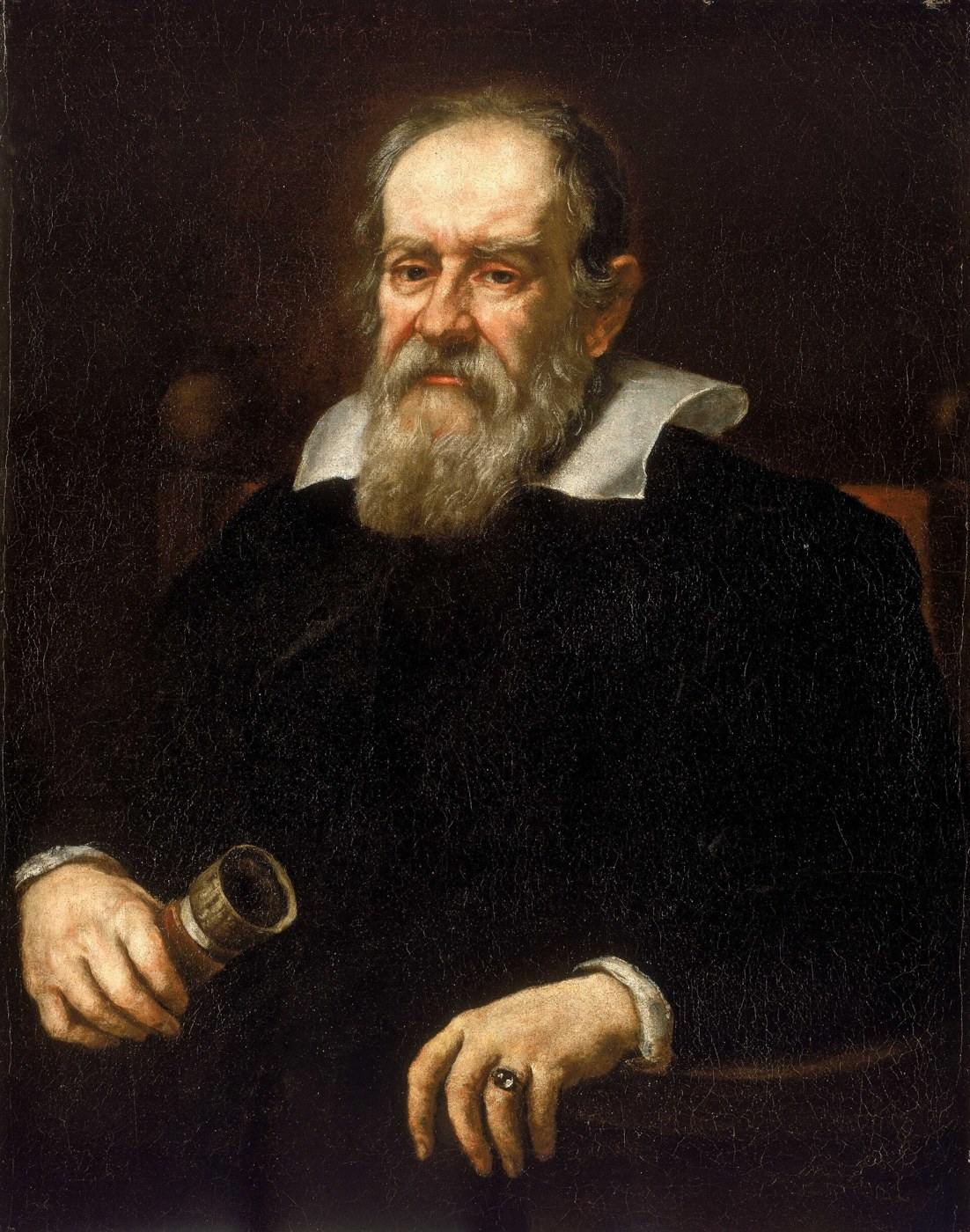
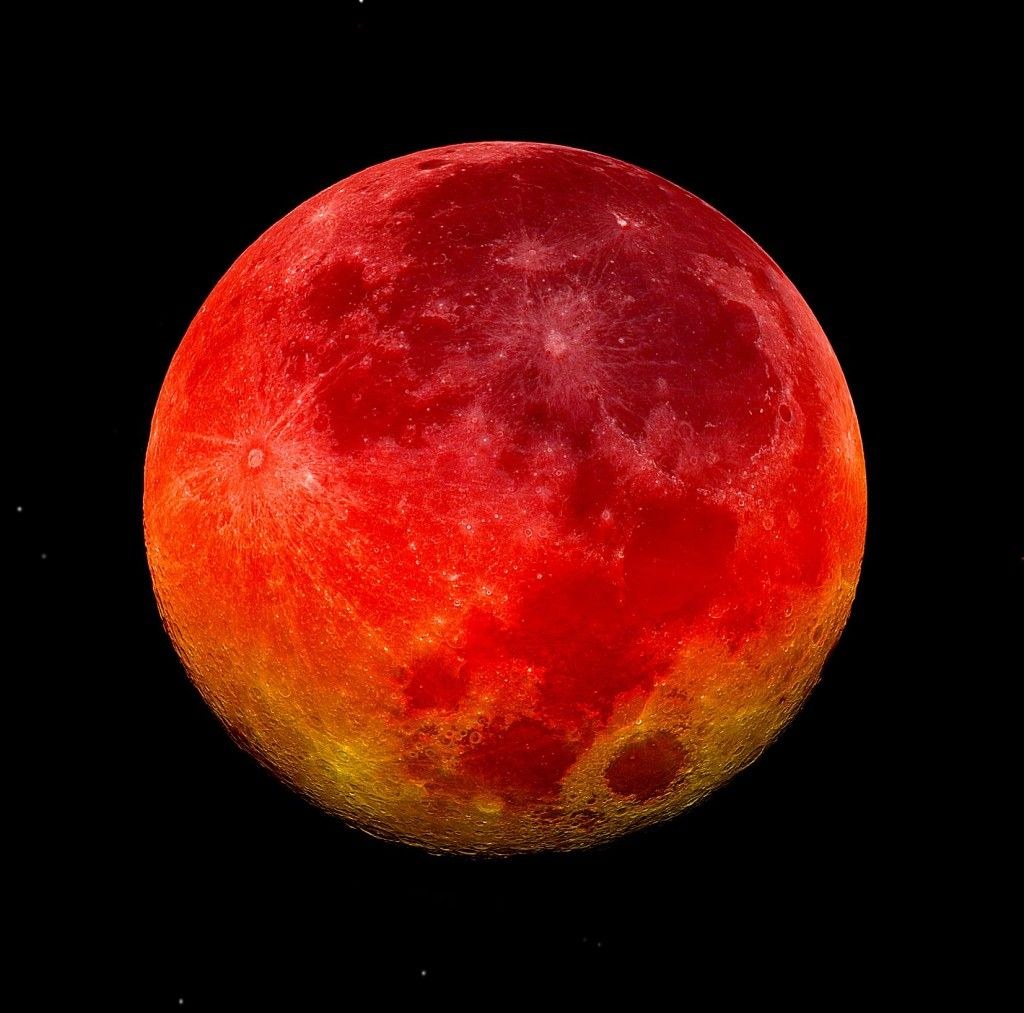
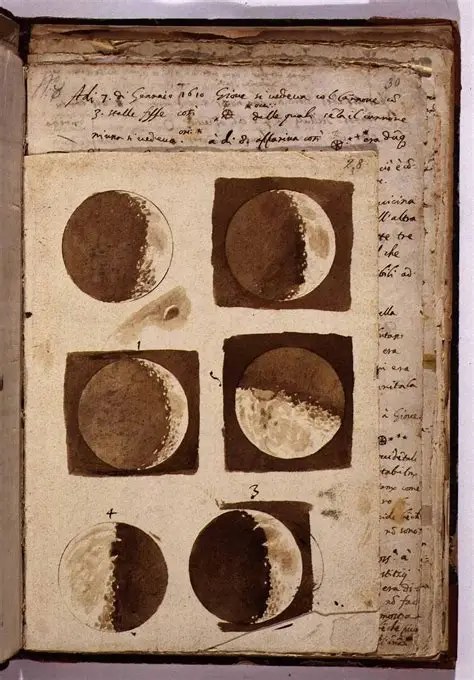
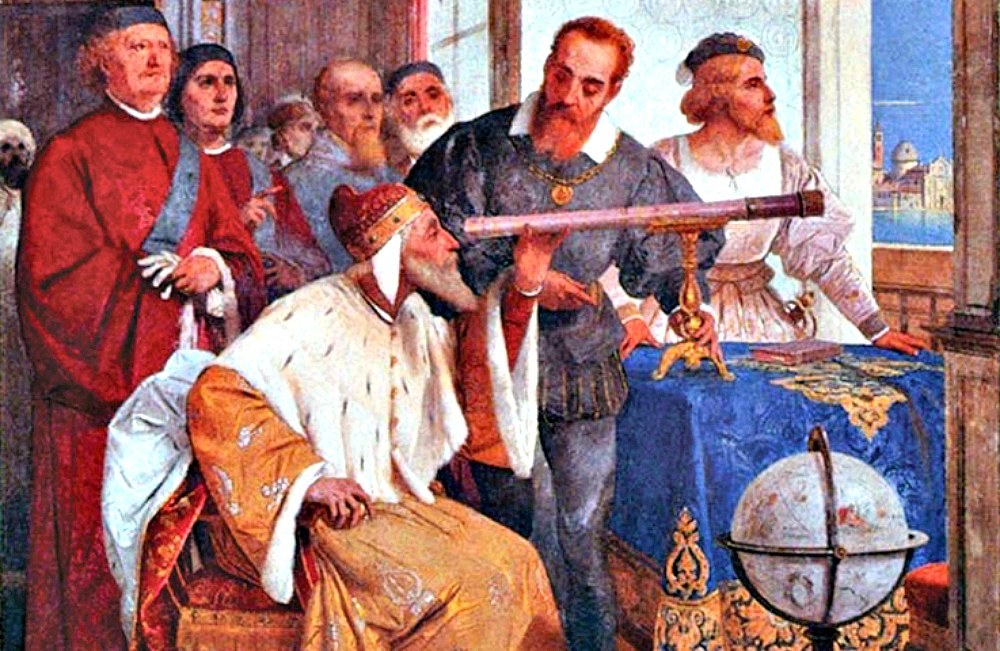
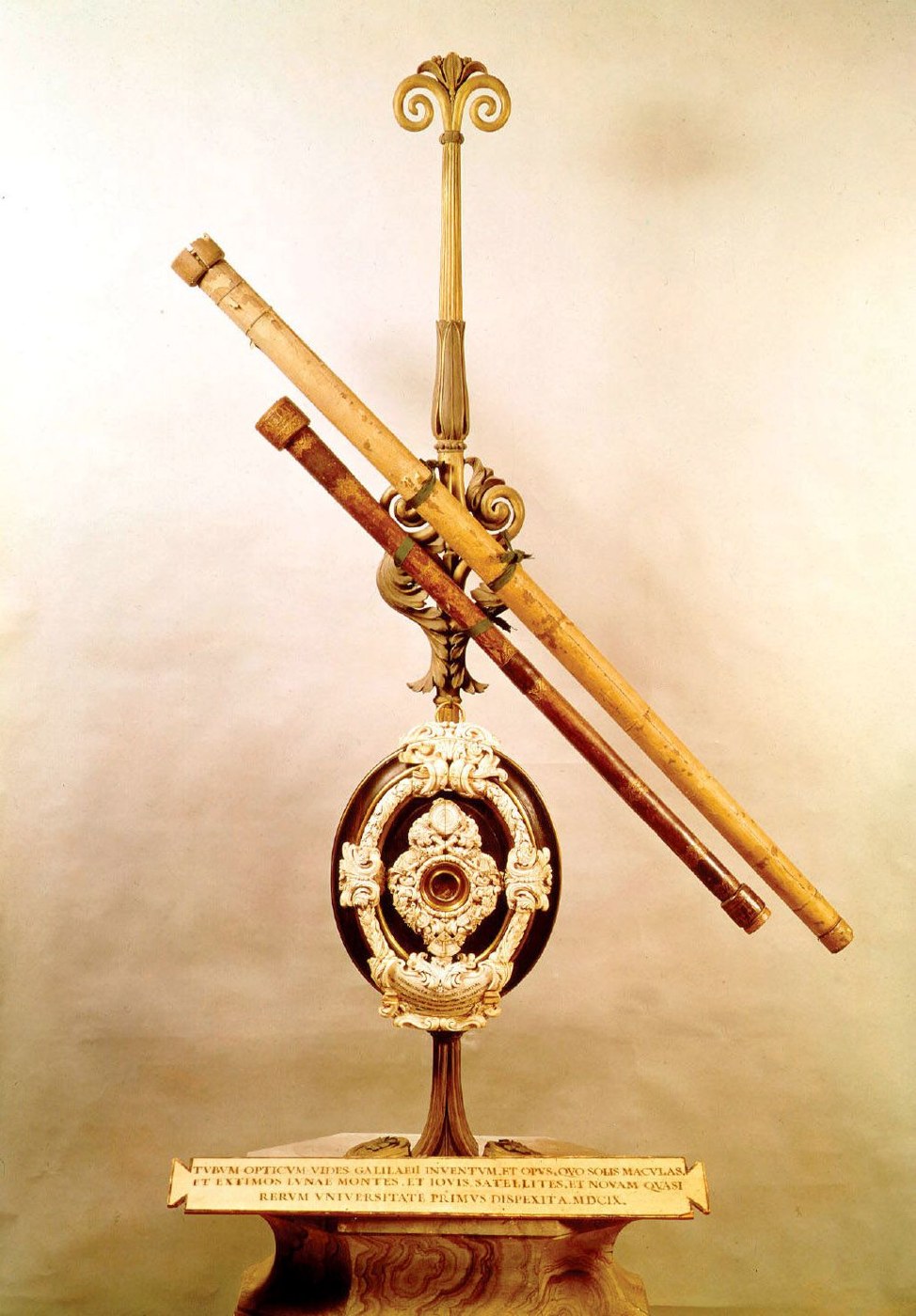
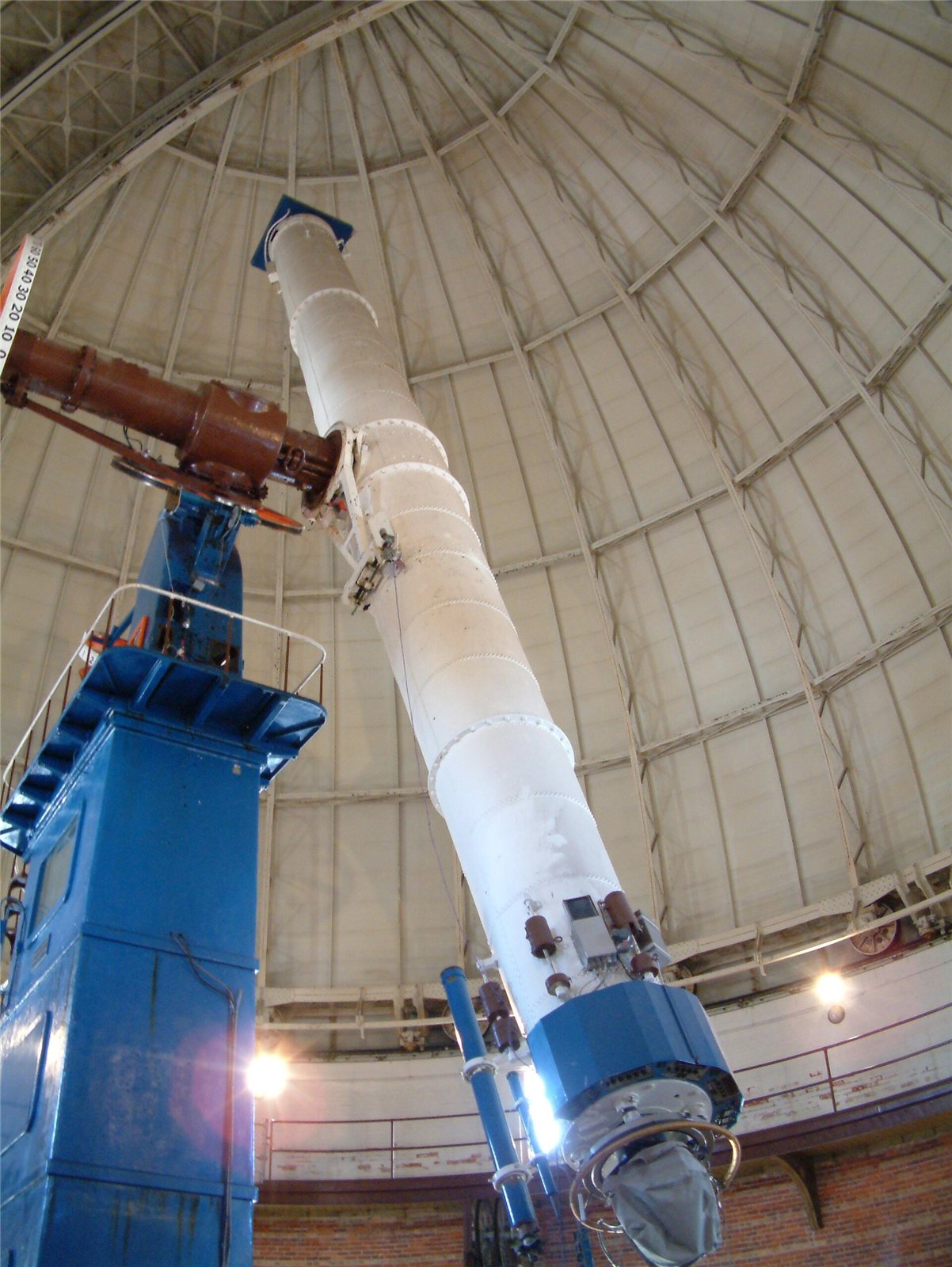
Galileo Galilei was the first scientist to study space by means of a telescope. Galileo both said that the Earth is spherical and was the first to reveal the dark areas, craters and hills on the Moon. Galileo, who holds a special place in history for the great services he rendered to science, believed that God gave man the senses, the power of speech and intelligence, and that these should be used in the most beneficial way. He maintained that nature had been ordered by a Creator. Galileo, who said, "Nature is, without doubt, the book of God from which we can never be separated and which must be read", said that there is no contradiction between God's books and what He has created, because God created each of them.

Johannes Kepler (1571-1630)
"Since we astronomers are priests of the Most High God with regard to the book of nature, we must speak of the glory of God."61
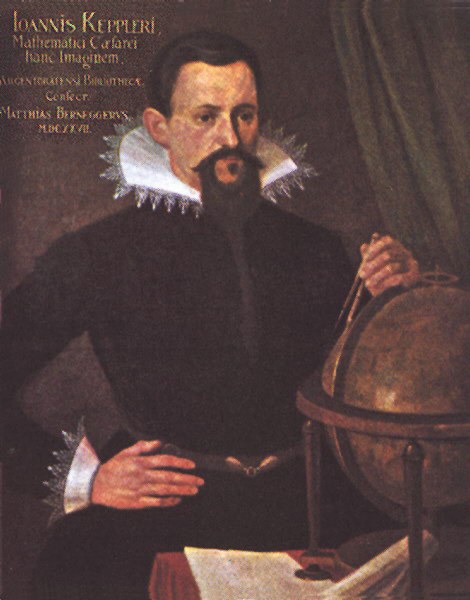
Kepler, the founder of the science of astronomy, was a great scientist who calculated the movements of the planets of the solar system and the distances between them, and prepared the first astronomical calendar showing a map of the movements of the stars.

Kepler, who had a powerful scientific knowledge, also believed that the universe was created by a Creator. To those who asked him why he engaged in science, Kepler's answer was "to taste the delight in the works of the Creator".62 When the life and work of Kepler, who believed that God reveals Himself in everything He has created, are examined, it becomes clear that a person who believes that there is a Divine order in the universe is also very thorough and successful in his scientific work.
Kepler answered the questions he himself asked, "Who is it that sends the white bears and white wolves to the snowy regions of the North? Who is it that brings into being there, together with them, the eggs of birds for the bears, whales and wolves to feed on?", as follows:
"It is our God, and He is the greatest, and His superiority is the greatest, and His wisdom is infinite; there is no end to Him."

Kepler continued his words as follows:
"Use all the sense organs you possess to understand the Creator."63
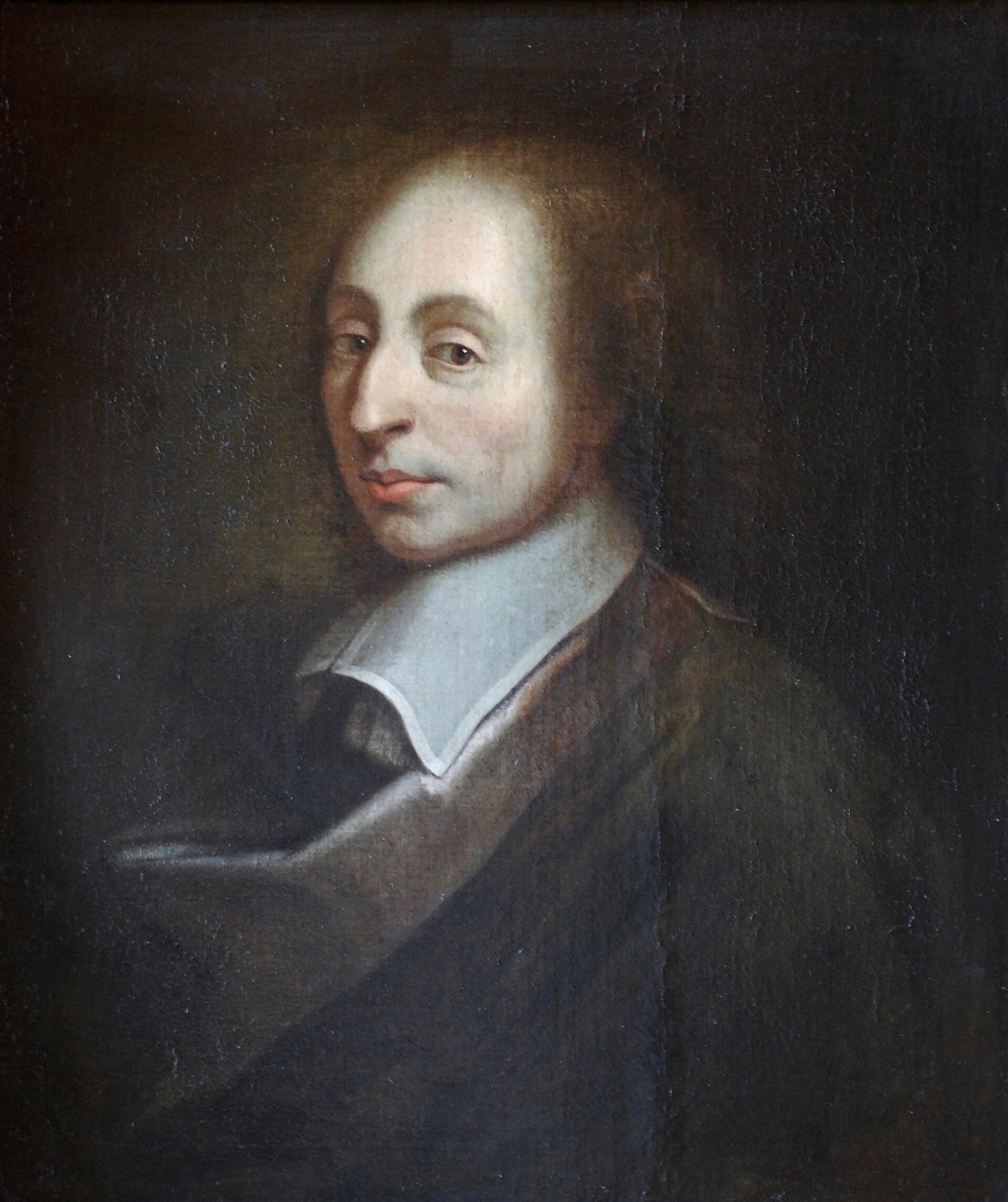
Blaise Pascal (1623-1662)
The famous scientist Pascal, who brought about the greatest advance in geometry since ancient Greece, was a scientist who made many discoveries and achieved many successes even at a very young age. Alongside his many studies and discoveries in the field of mathematics, Pascal also made important discoveries in the field of physics. Pascal, who carried out research on atmospheric and fluid mechanics, discovered that there is a pressure in the atmosphere that varies with altitude.
Pascal, who holds a special place in the history of science, was a believing scientist. In his words Pascal expressed God's infinite power, saying that God is the Creator of everything, from mathematics to the order of the elements.65
John Ray (1627-1705)
The famous English botanist John Ray was a person of faith.

In his opinion, "if man has been brought to the earth to reflect God's beauty, then he must pay attention to everything created around him". Ray, who made this idea his principle, began carrying out scientific research at a very young age. He was one of the greatest representatives of his time in both botany and zoology. Ray published a book explaining the infinite wisdom in God's creation. In this work Ray introduced thousands of species of plants, insects, birds, fish and many other such creatures, and explained that nature points to the existence of a Creator. John Ray says in his book:
"In the beginning God created everything; since then, to this day, they have been preserved by Him, and they are still as they were when they were first created."66


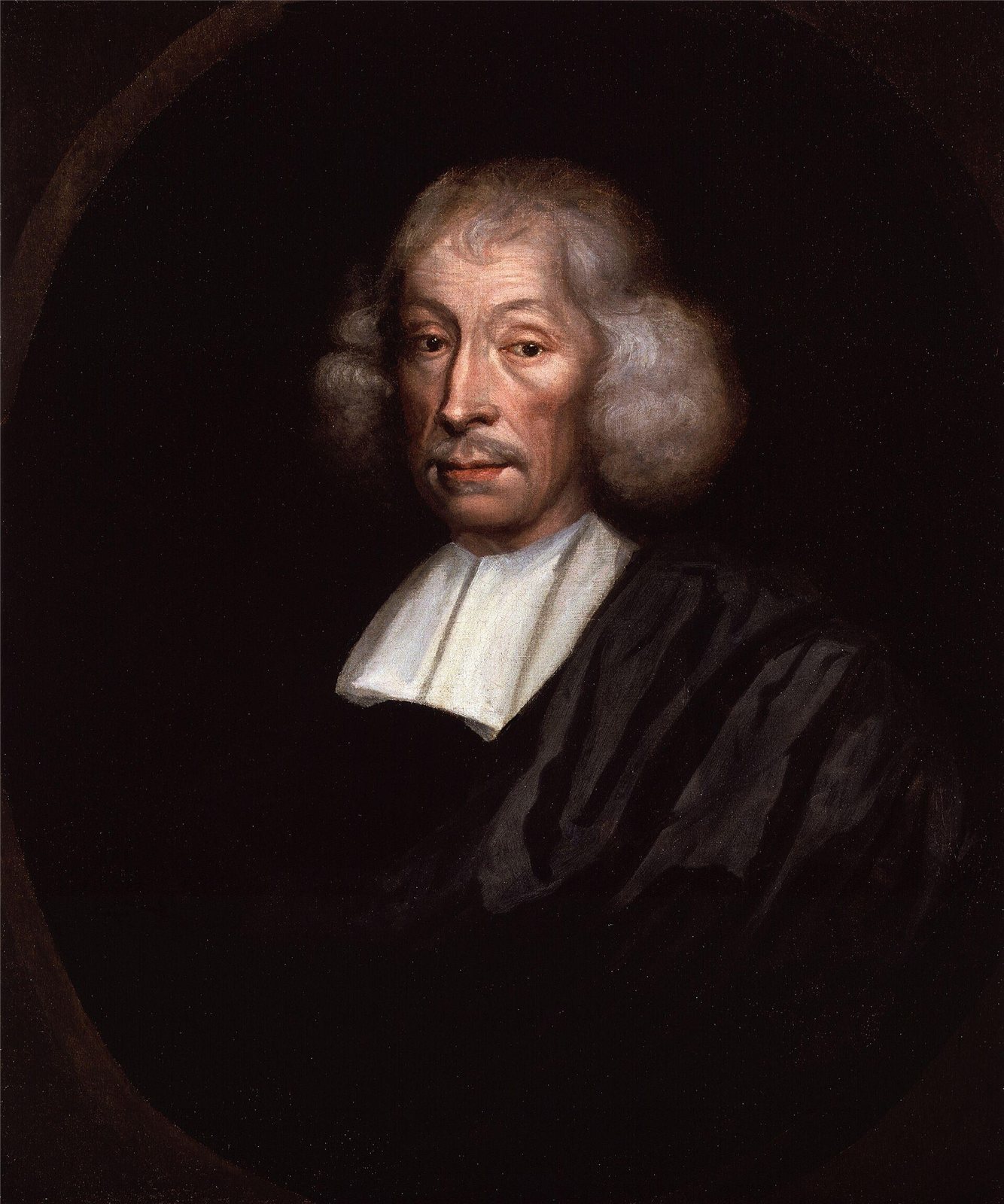
He Made Many Contributions to the Science of Botany
Ray always emphasised that science and religion are in close unity, saying: "There is for a free man no occupation more worthy than to contemplate the beauteous works of nature and the infinite wisdom and majesty of God."67
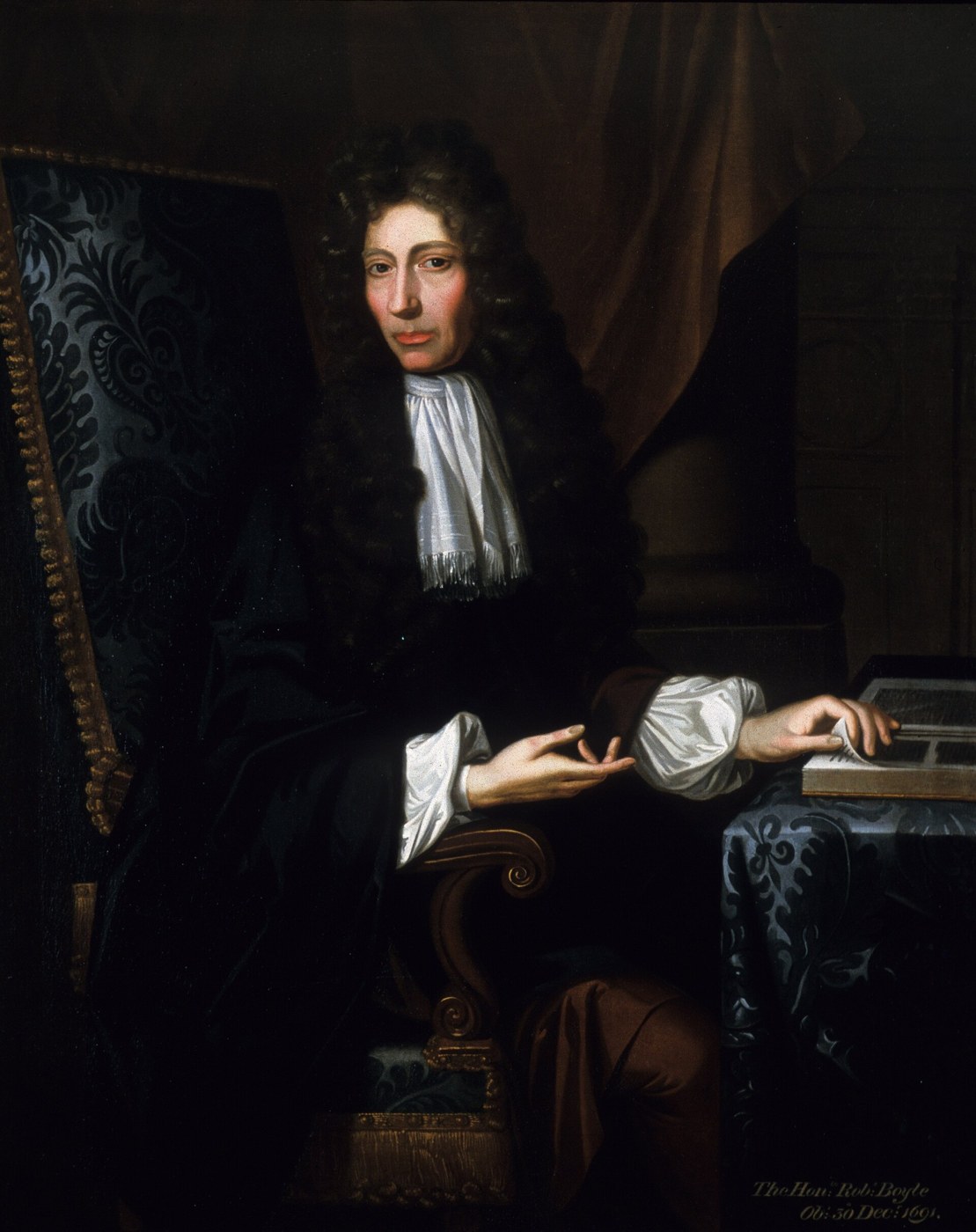
Robert Boyle (1627-1691)
Boyle, regarded as the founder of modern chemistry, made many discoveries that left their mark on science. Boyle revealed that there is a relationship between the pressure of gases in the air and the volume of the air, and thus the laws known today as "Boyle's law" came into being. In addition, Boyle also invented a simple refrigerator from litmus paper, stated that water expands when it freezes, and gave the first modern definition of an element. Boyle, who said "Because air has pressure, there must be empty space between the parts of the atom", thereby made his own contribution to atomic theory.
Boyle, the author of such important scientific discoveries, believed in the existence of God. He thought that there is an intelligent order in the universe and that this order was established by a Creator possessing supreme power. In his conversations and writings Boyle frequently emphasised the importance of the unity of science and belief in God.
In a letter Boyle said:
"Give the glory to the Creator of nature... Use science to benefit mankind."68
In another statement Boyle declared as follows that the perfection in living things clearly shows the existence of God:
"The perfect design of the system existing in the world, and especially the interesting features, sense organs and amazing structures that animals possess, have all led thinkers throughout history to acknowledge the existence of God."69
Antonie van Leeuwenhoek (1632-1723)
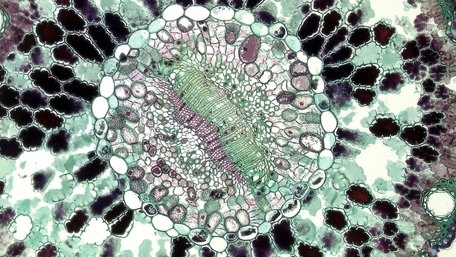
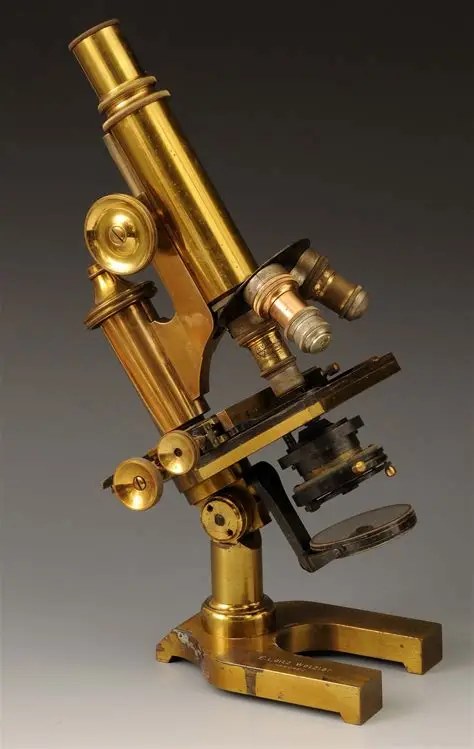
Leeuwenhoek is the scientist who first discovered bacteria. What Leeuwenhoek, who began examining pieces of fabric by using his spectacles as a magnifying glass, saw aroused his curiosity; he invented other magnifiers and thus became the first person to discover bacteria with the microscope.
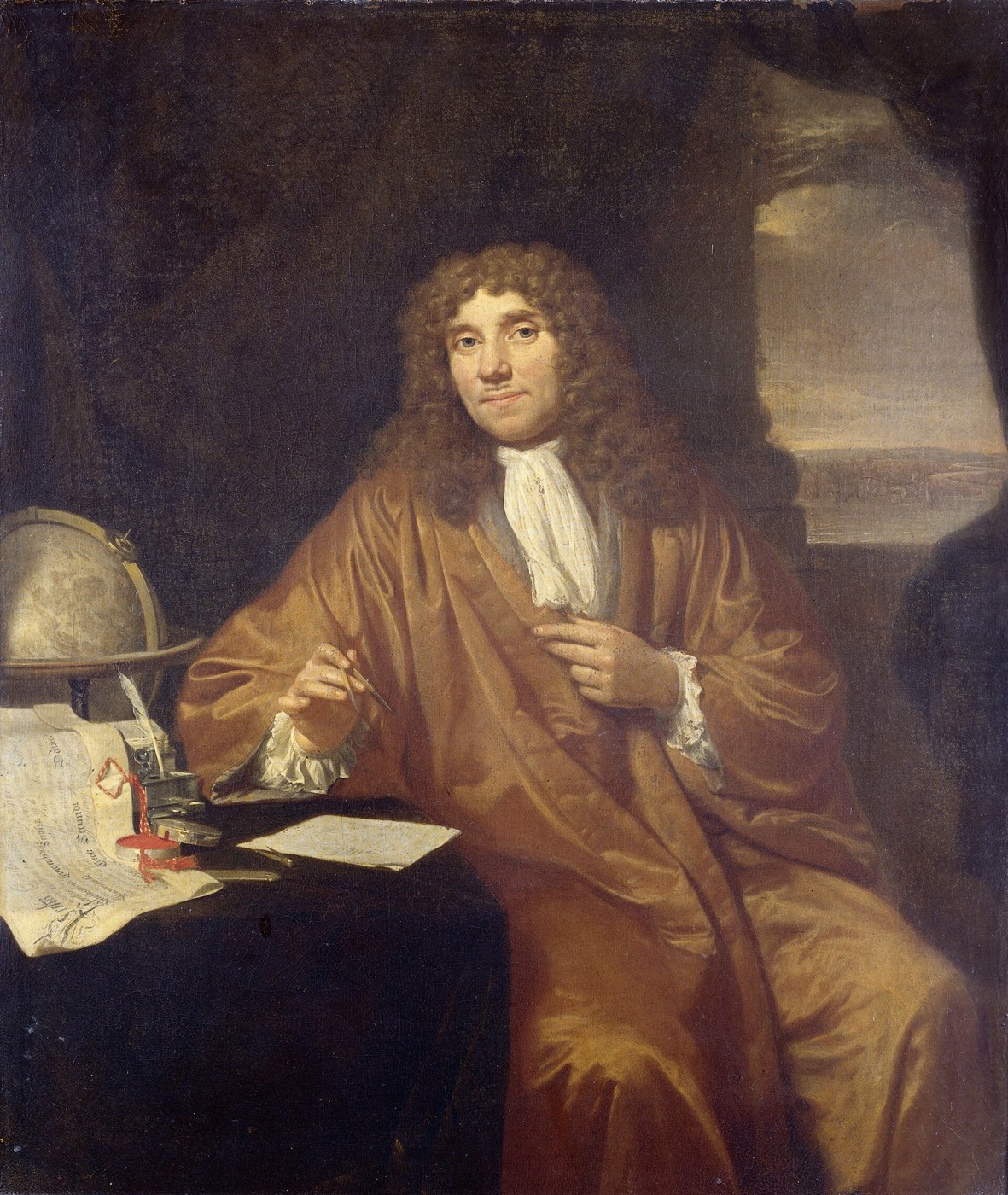
The aim of demolishing the idea of spontaneous generation without a Creator drove him to carry out very important scientific research. To this end he carried out studies on the nutrition systems of animals and plants, reproduction, the transport of food in plants, their different structures and parts, and blood cells. Working on capillaries, he was the first scientist to see blood cells passing through them. Before him, nobody knew that muscles consist of fibres.70


Isaac Newton (1642-1727)
Newton, accepted as the greatest scientist of all time, was both a mathematician and a physicist. If we look at the great services Newton rendered to science, we can say that the most important of them was the discovery of the law of gravitation.
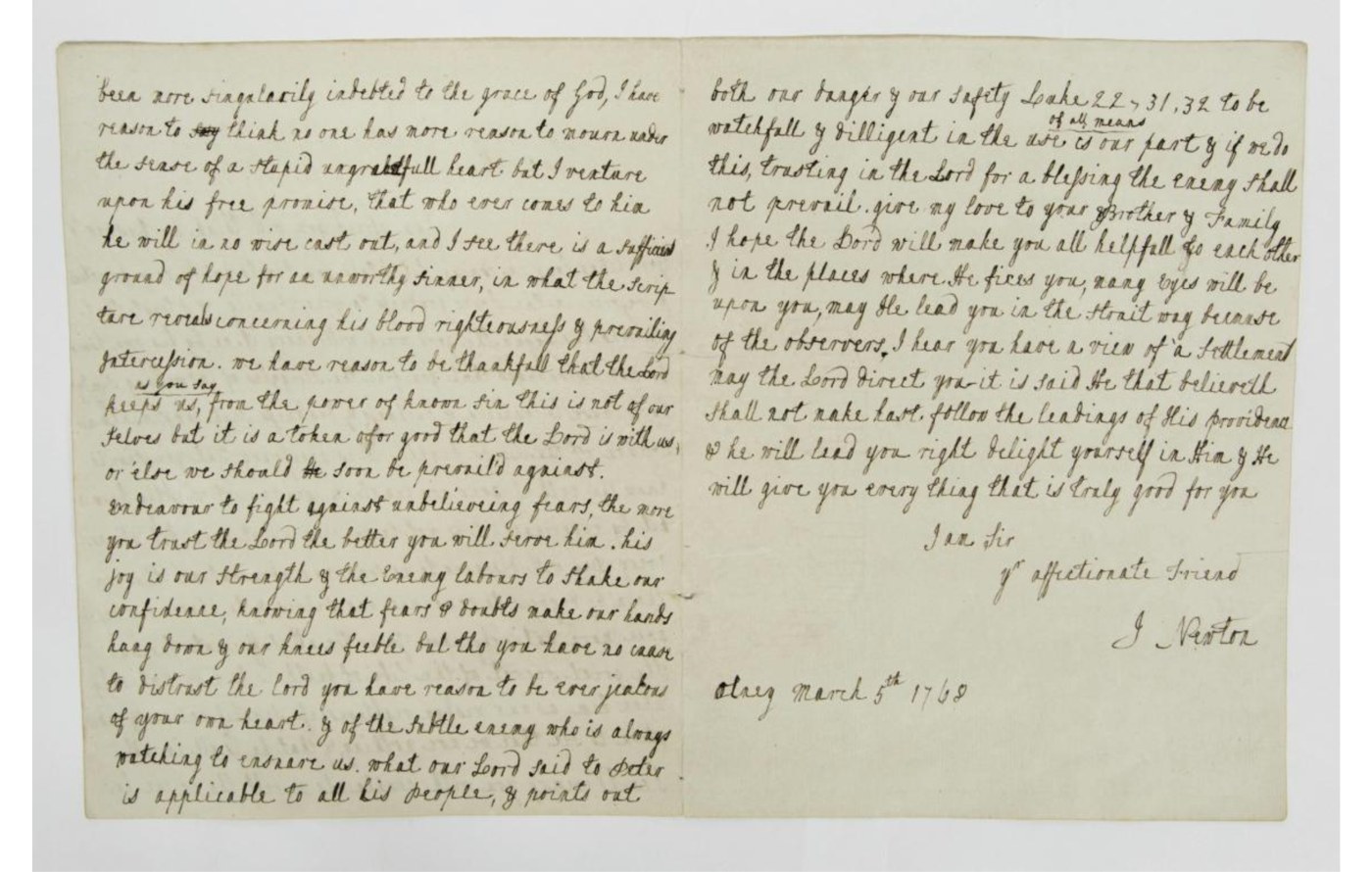
Newton defined the perfect relationship between force and acceleration with the concept of mass, discovered the law of action and reaction, and put forward the thesis that when the resultant force is zero, moving bodies will not change their velocity.

Newton's laws of motion have been applied exactly as they are for 4 centuries, from simple engineering calculations to the most complex technological projects. Newton made very important discoveries not only on the subject of gravitation but also in such basic subjects as mechanics and optics. Newton, who discovered the 7 colours of light, thereby also laid the foundations of a new field of science called optics.
Alongside these discoveries that left their mark on science, Newton wrote serious works rejecting atheism and defending Creation, and was a supporter of the idea that "Creation is the only scientific explanation". Newton believed in the truth that the mechanical universe, in his words "a giant clock that works without ever stopping", could only be the work of a Creator possessing powerful and superior intellect.
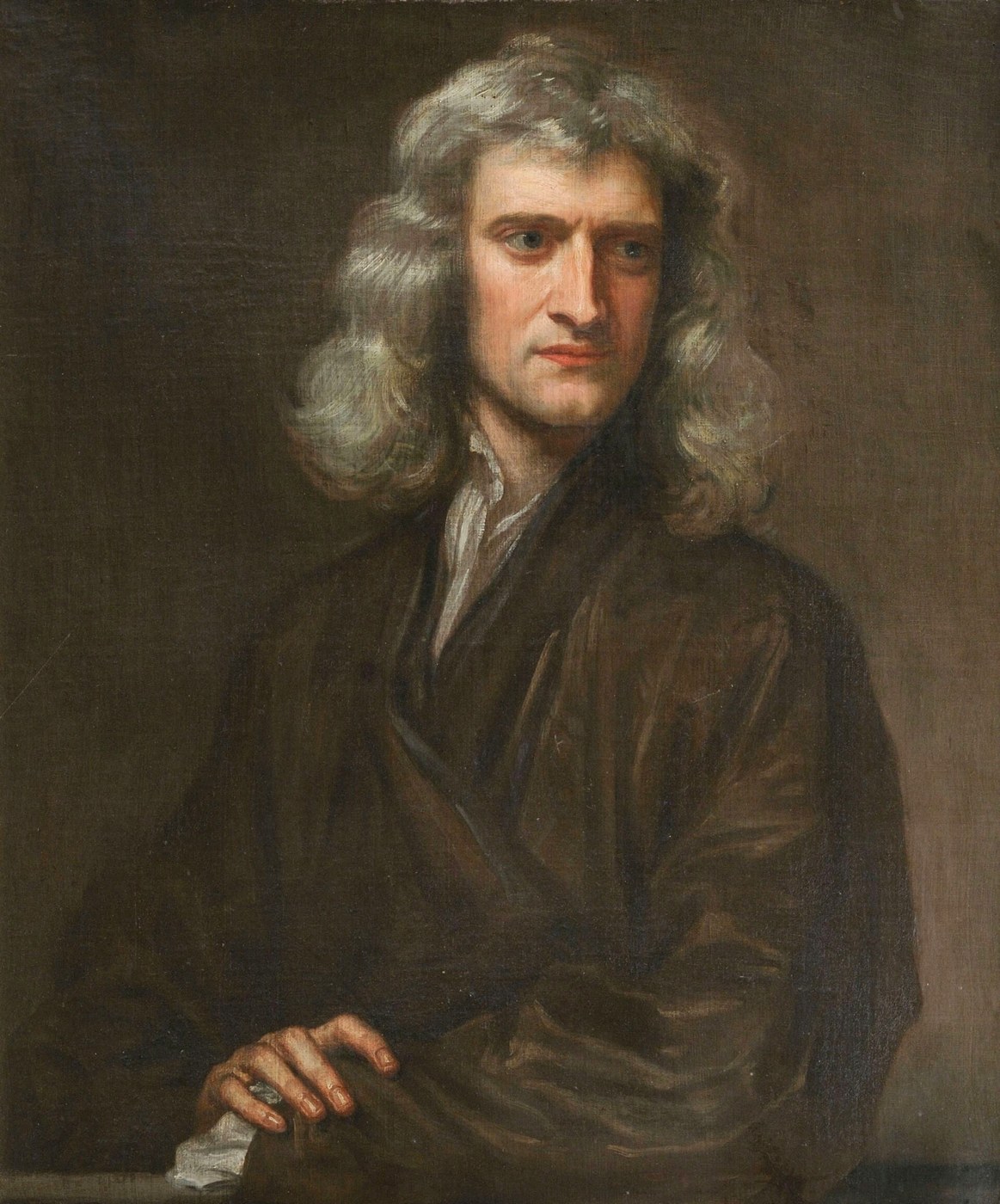
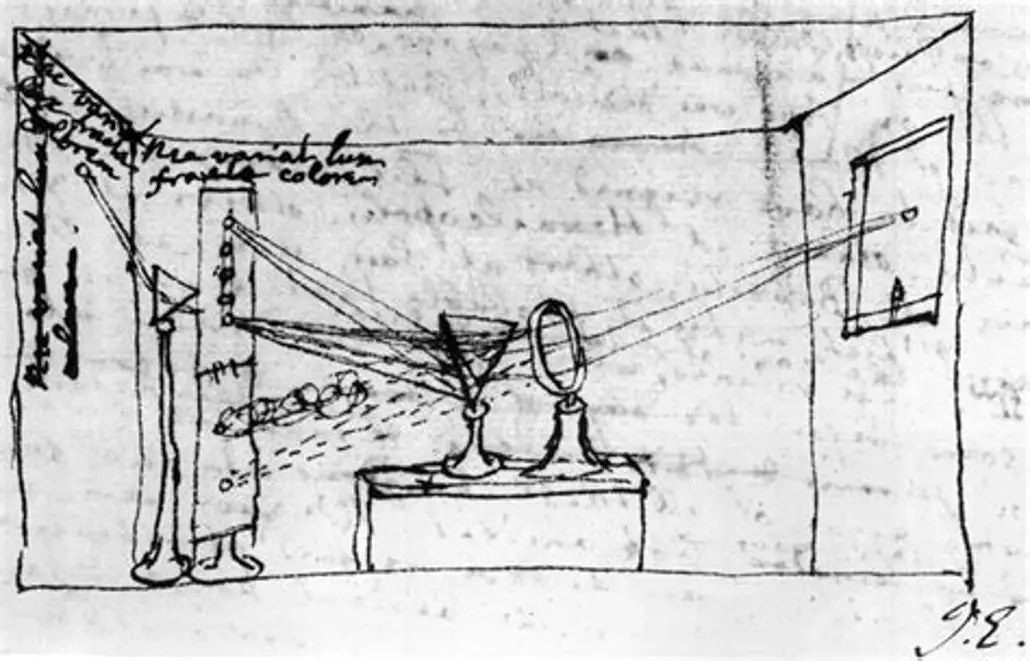
At the basis of Newton's discoveries, which changed the course of the world, lay his desire to draw nearer to God. Newton chose the path of studying the works created by God in order to know God more closely. With this aim he began his research with great enthusiasm. Newton expressed his main aim in carrying out scientific research in these words in his work Principia Mathematica: "He is eternal and infinite, omnipotent and omniscient: there is no limit to His power and He is aware of all things; His duration reaches from eternity; He governs all things, and knows all things that are done or can be done. He is eternal and infinite: ... He endures for ever and exists; His existence is eternal, He is everywhere present; and by existing always and everywhere, He constitutes duration and space... We know Him only by His most wise and excellent contrivances of things... we reverence and adore Him as His servants."71


John Flamsteed (1646-1719)
John Flamsteed, who founded the famous Greenwich Observatory, is one of England's first astronomers.
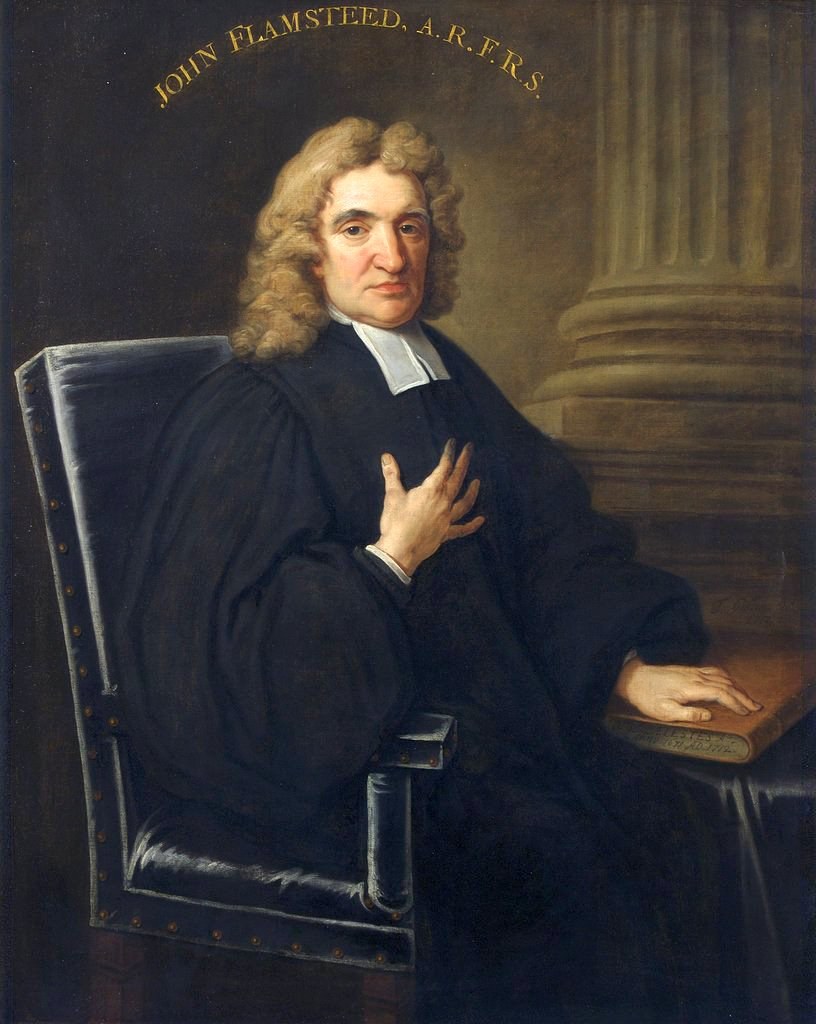
Flamsteed, who compiled the first great star map of the telescopic age after countless observations, was at the same time a man of religion.72
John Woodward (1665-1728)
Woodward is regarded as one of the true founders of the science of geology. One of the great contributions he made to science was helping to found a museum of paleontology in Cambridge and developing the field of geology.73
Carolus Linnaeus (1707-1778)
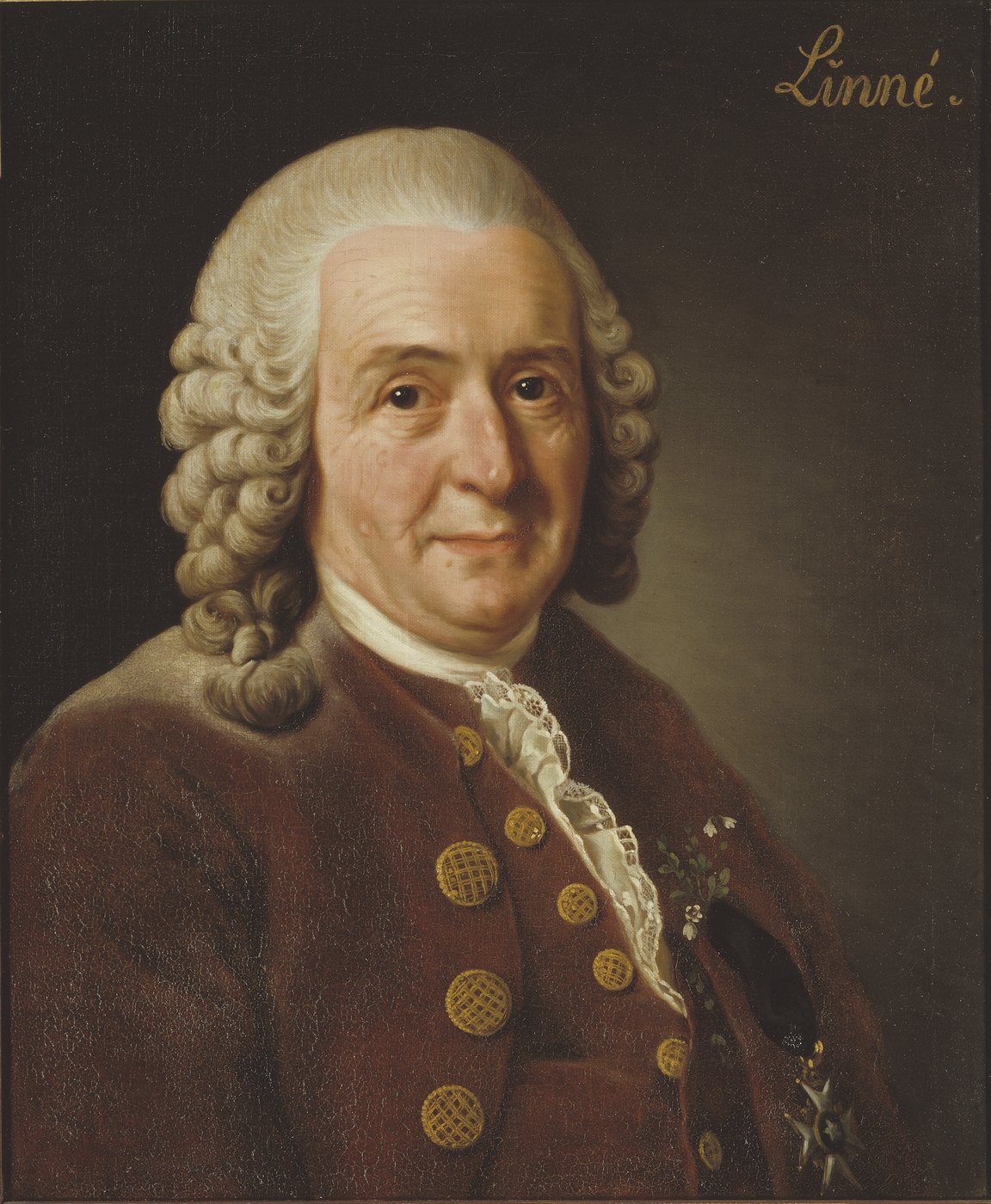
Linnaeus, a believing scientist, left his mark through his very important work in the field of botany. Linnaeus, who discovered that plants reproduce through the stamen fertilising the pistil, introduced the concept of "biological classification" into science.74
Jean Deluc (1727-1817)
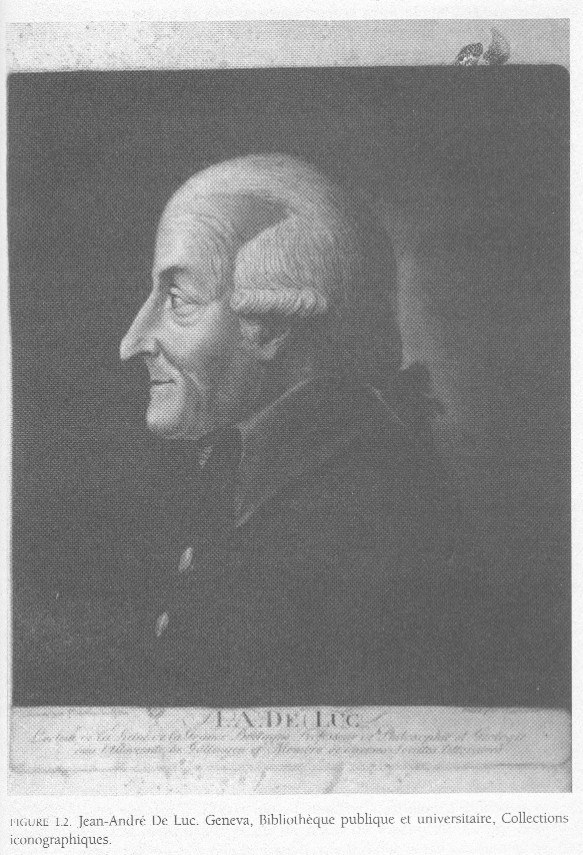
The Swiss physicist Deluc is the scientist who coined the word "geology". He and his father invented the modern mercury thermometer and the hygrometer. Deluc is known for his opposition to the idea that the universe and life came about by chance, and for his belief in creation.75
William Herschel (1738-1822)
Herschel is one of the most famous astronomers of the 18th century. Herschel, known for building the most powerful reflecting telescopes of his time and investigating star clusters and galaxies that had previously been impossible to study, stated with the words "the undevout astronomer must be mad" that it is astonishing for scientists who engage in astronomy and witness the perfect order in the universe not to believe in God.76
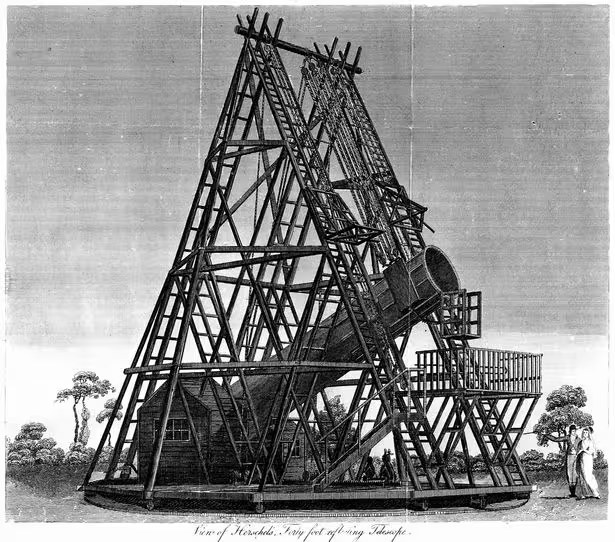
William Paley (1743-1805)
Paley was a scientist who believed in creation. His work Natural Theology, which we touched on in earlier pages, was one of the best-selling books of its time. Paley's idea that "if works of art are the work of man, then living beings are the work of a being far superior to man" is very famous. Paley explains that living things have been endowed with every kind of feature they need to survive in the environments in which they live, saying, in his own words, that this "points to the evidence of contrivance, of design and of a Designer, the Creator".
Georges Cuvier (1769-1832)
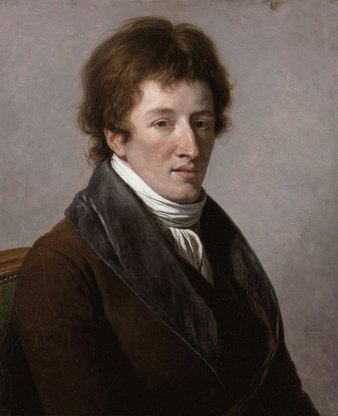
Cuvier, one of the best-known anatomists and paleontologists in the history of science, was one of the founders of the science of comparative anatomy and one of the scientists who helped paleontology to become established as a separate field of science. Cuvier won fame for his strong belief in creation and for his debates concerning the evidence of creation and the groundlessness of evolution.78
Humphry Davy (1778-1829)
Davy, known for being a man of faith, was regarded as one of the great chemists of his time. The famous scientist Faraday worked under him. He was the first to classify many important chemical elements himself. He rendered important services to science by being the first to set out the kinetic theory of heat, the safety lamp, and the fact that diamond consists of carbon.79
Adam Sedgwick (1785-1873)
Sedgwick, one of the leading experts in geology of the 19th century, discovered in particular the main rock systems known as the Cambrian and the Devonian.
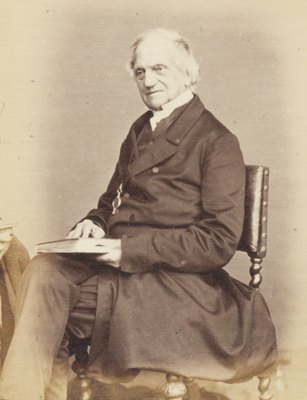
Sedgwick, who was at the same time a clergyman, rejected Charles Darwin's idea of evolution even though he was his friend.80
Michael Faraday (1791-1867)
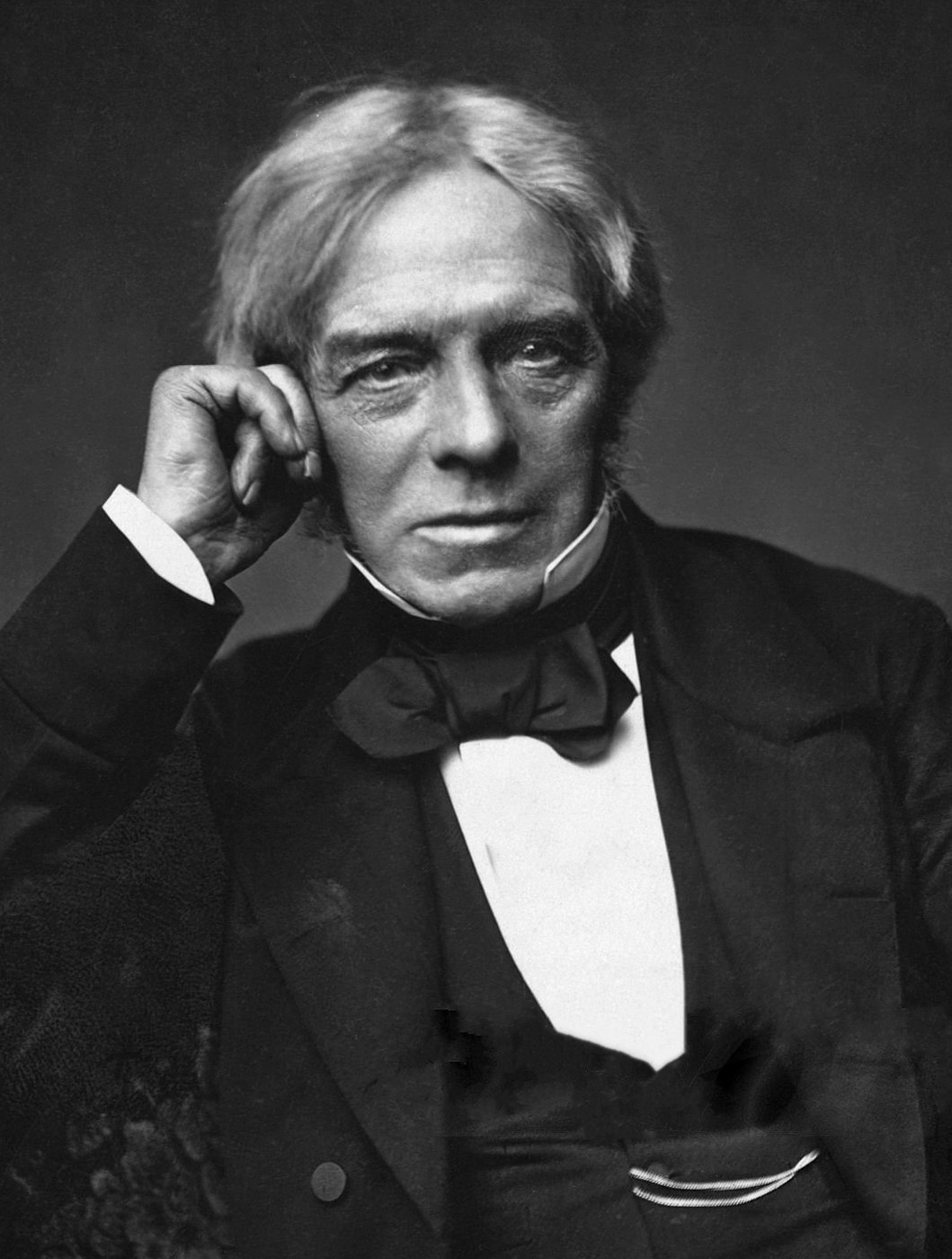
Faraday, known as the greatest physicist of his time, played a special part in the development of the fields of electricity and magnetism in particular. Faraday rendered great services not only in physics but also in the field of chemistry.
Faraday was a scientist who believed in the existence of a Creator and that religion and science are in harmony. Faraday, who thought that "since a single Creator created the world, all of nature must be parts of a single whole", acted on this principle and came to the conclusion that electricity and magnetism are related to one another.81
Samuel Morse (1791-1872)
Morse is the great scientist who invented the telegraph, which is of very great importance for humanity. He also produced the first camera in America.
Morse believed in the existence of a Creator Who created everything for a definite purpose. In his opinion, the material world and the spiritual world exist side by side in harmony. Morse is the author of these lines:
"As science advances, the evidence of the divine origin of religion becomes ever clearer, the greatness of God is comprehended, and the future is lit up with hope and joy."82
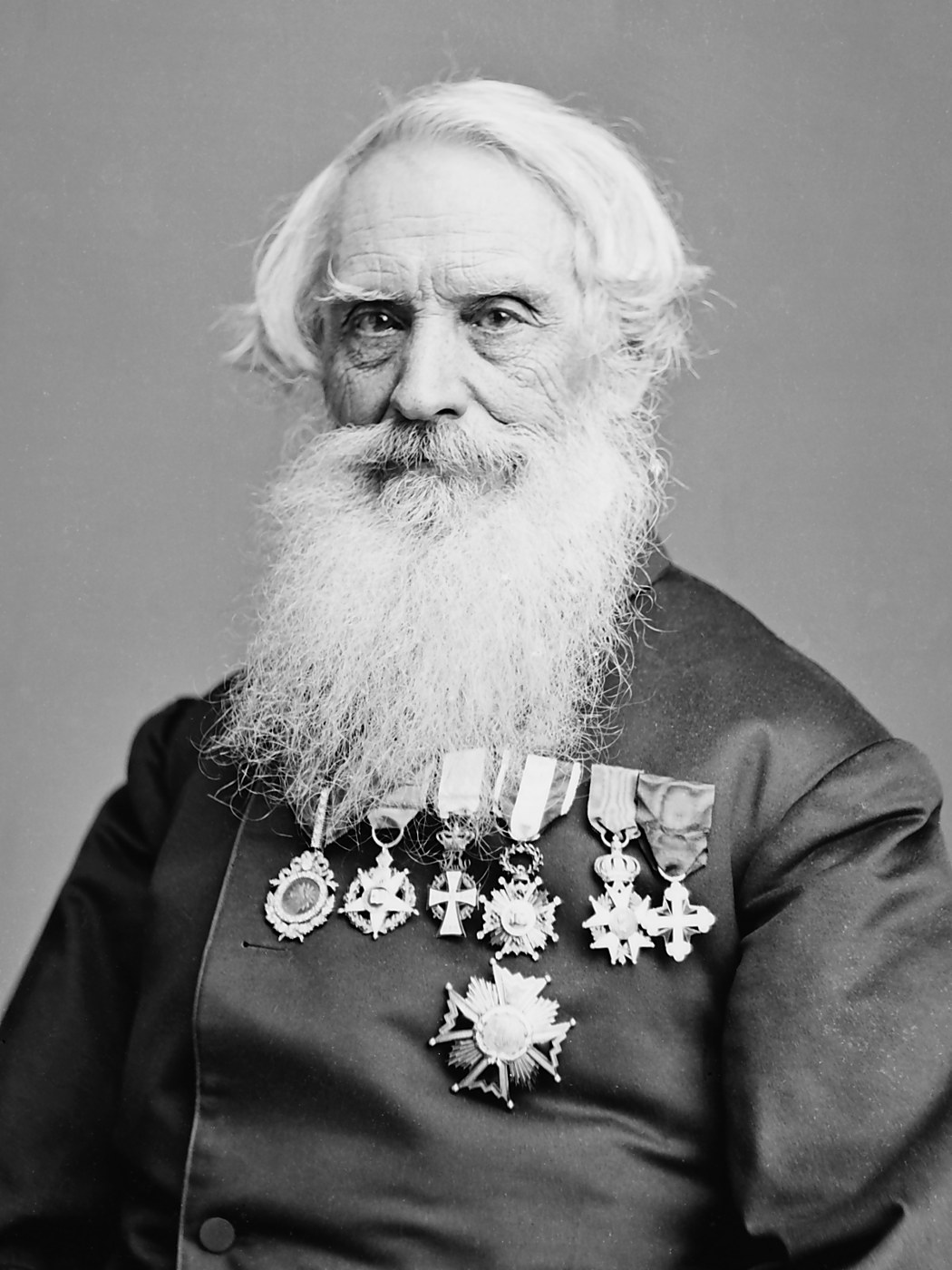
Joseph Henry (1797-1878)
The famous American physicist and devout scientist Joseph Henry was a professor at Princeton University. Henry, who invented the galvanometer and the electromagnetic motor, always set aside time to pray to God and to worship, alongside the experiments and work he carried out.83
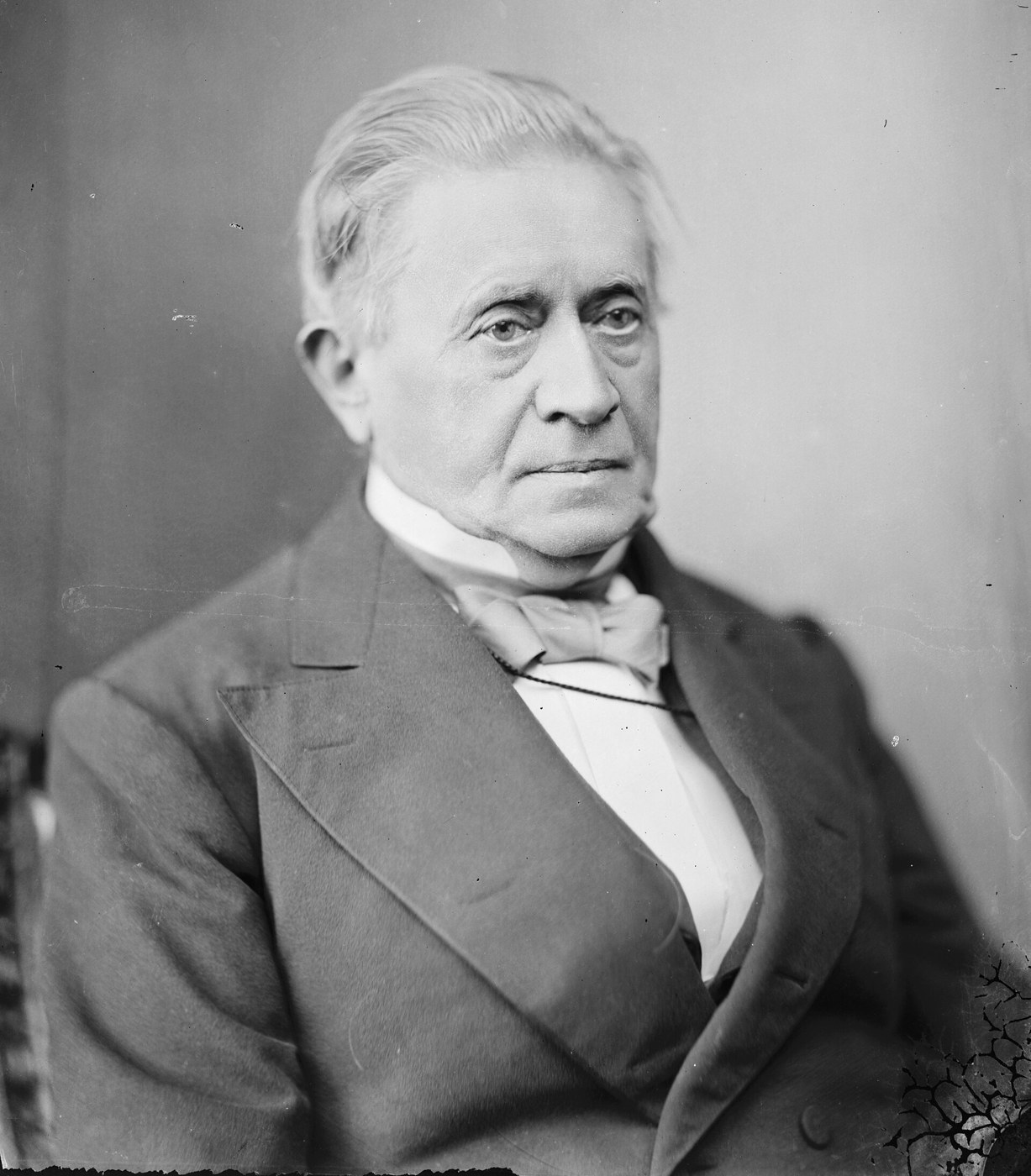
Louis Agassiz (1807-1873)
Agassiz, in the opinion of many the greatest biologist of America, is a scientist known for his resolute opposition to the theory of evolution.

Agassiz thought that there is a Divine plan of God everywhere in nature, and did not accept the theory that denies creation. Agassiz said:
"The combination in time and space of all these thoughtful conceptions exhibits not only thought, it shows also order, power, wisdom, greatness, prescience, omniscience, providence. In one word, all these facts proclaim aloud the One God, whom man may adore and love."84
James Prescott Joule (1818-1889)
The famous scientist Joule, who discovered the first law of thermodynamics, calculated the heat produced by an electric current moving in a separate wire, and was the first to discover the velocity of a gas molecule. Joule's greatest discovery is the "mechanical equivalent of heat". This important discovery also paved the way to the most fundamental law of the universe, the law of the "conservation of energy".
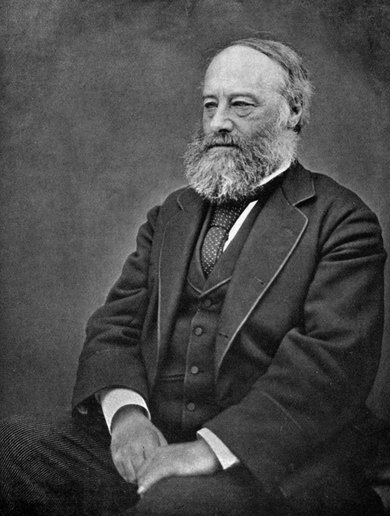
Joule, who made such important scientific discoveries, is one of the scientists who believed that the more he learned about the laws of nature, the more closely he would come to know God. This belief encouraged him to carry out more research. These words expressing the belief in God of Joule, who was among the foremost of the 717 scientists who signed a manifesto against Darwin in 1864, are famous:
"After the knowledge of, and obedience to, the will of God, the next aim must be to know something of His attributes of wisdom, power and goodness as evidenced by His handiwork. To know the laws of nature is to know God."85
George Gabriel Stokes (1819-1903)
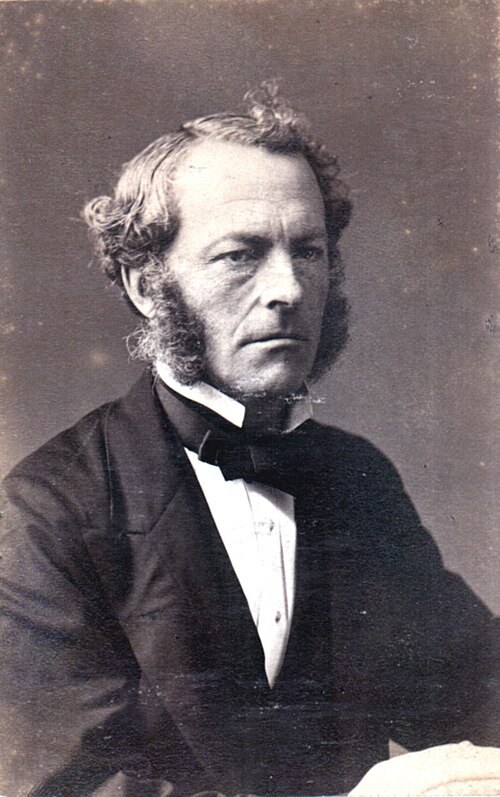
Stokes, who made important discoveries in many fields of science, first and foremost physics and mathematics, is a famous British scientist. He carried out research on variations in the Earth's gravity, astrophysics, chemistry, problems relating to sound, and heat. He showed that quartz, unlike glass, is transparent to ultraviolet radiation. He carried out electro-thermodynamic research with Lord Kelvin. Stokes showed that X-rays are part of Maxwell's electromagnetic spectrum. Stokes, who for a time was president of the Victoria Institute in London, was at the same time an active member of the Cambridge Philosophical Society.
Stokes, a scientist who studied nature believing in the Creator, wrote many writings in which he voiced his belief in God. In these writings Stokes stated that the laws of nature are under God's command and that God has the power to direct these laws as He wills.86
Rudolf Virchow (1821-1902)
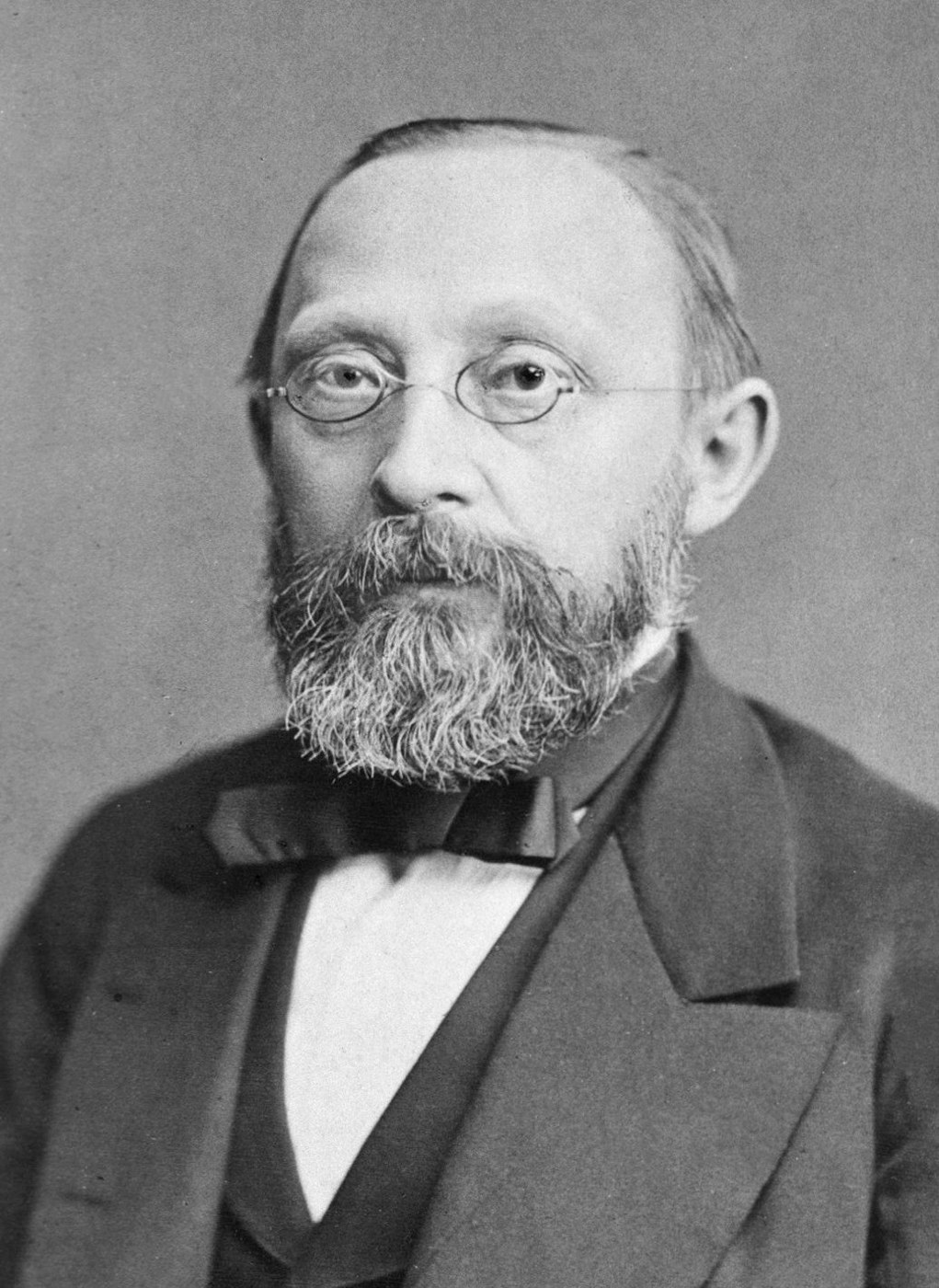
Virchow's main service was in the field of medicine. Virchow, regarded as the founder of modern pathology, studied diseases relating to the cell. He was the first to identify leukaemia, and he also carried out research in the fields of anthropology and archaeology. Virchow is one of the scientists who opposed the theories of Darwin and Haeckel. Indeed, alongside his scientific work he took part in politics and opposed the teaching of the theory of evolution in German schools.87
Gregor Mendel (1822-1884)
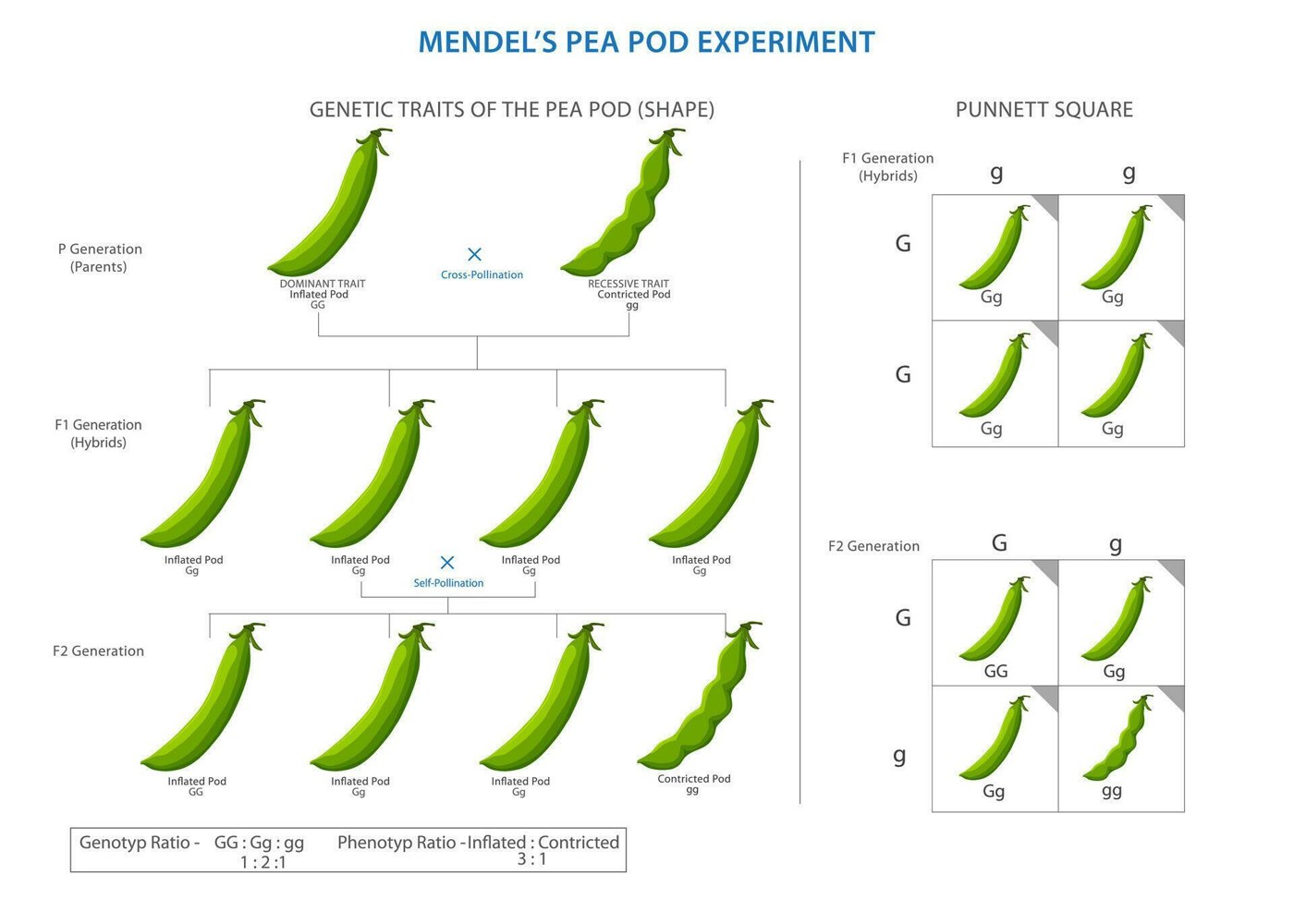
The famous scientist who discovered the 3 laws of genetics known as Mendel's laws went down in history as the person who put forward the principles of heredity. Mendel's principles of heredity have been one of the most important scientific proofs revealing the groundlessness of the theory of evolution.
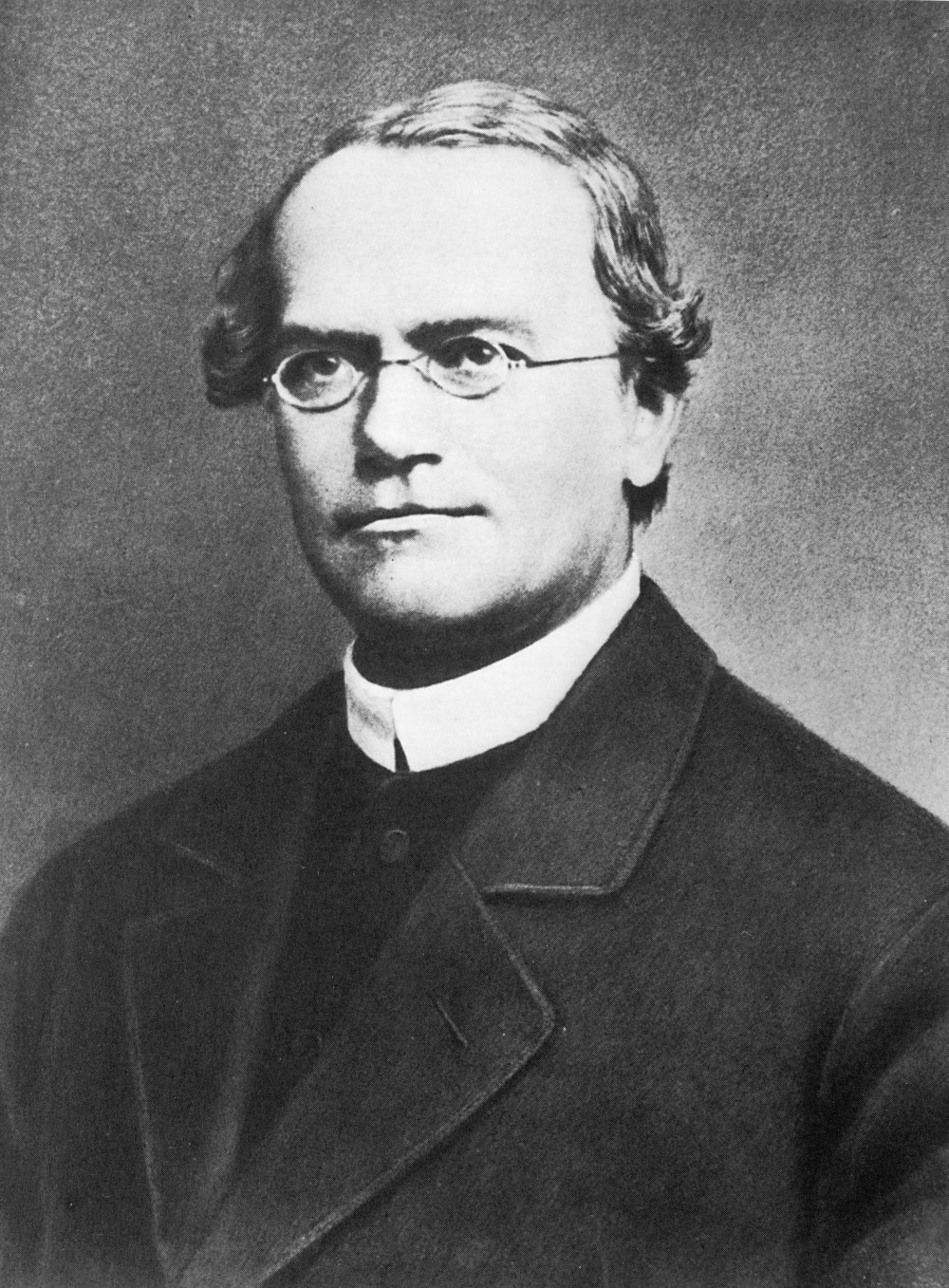
Mendel, whose principles of heredity on the one hand shook the foundations of the theory of evolution, was on the other hand a man of religion who believed that chance could not have produced the world, and that God created everything, including the world, as it is.88
Louis Pasteur (1822-1895)
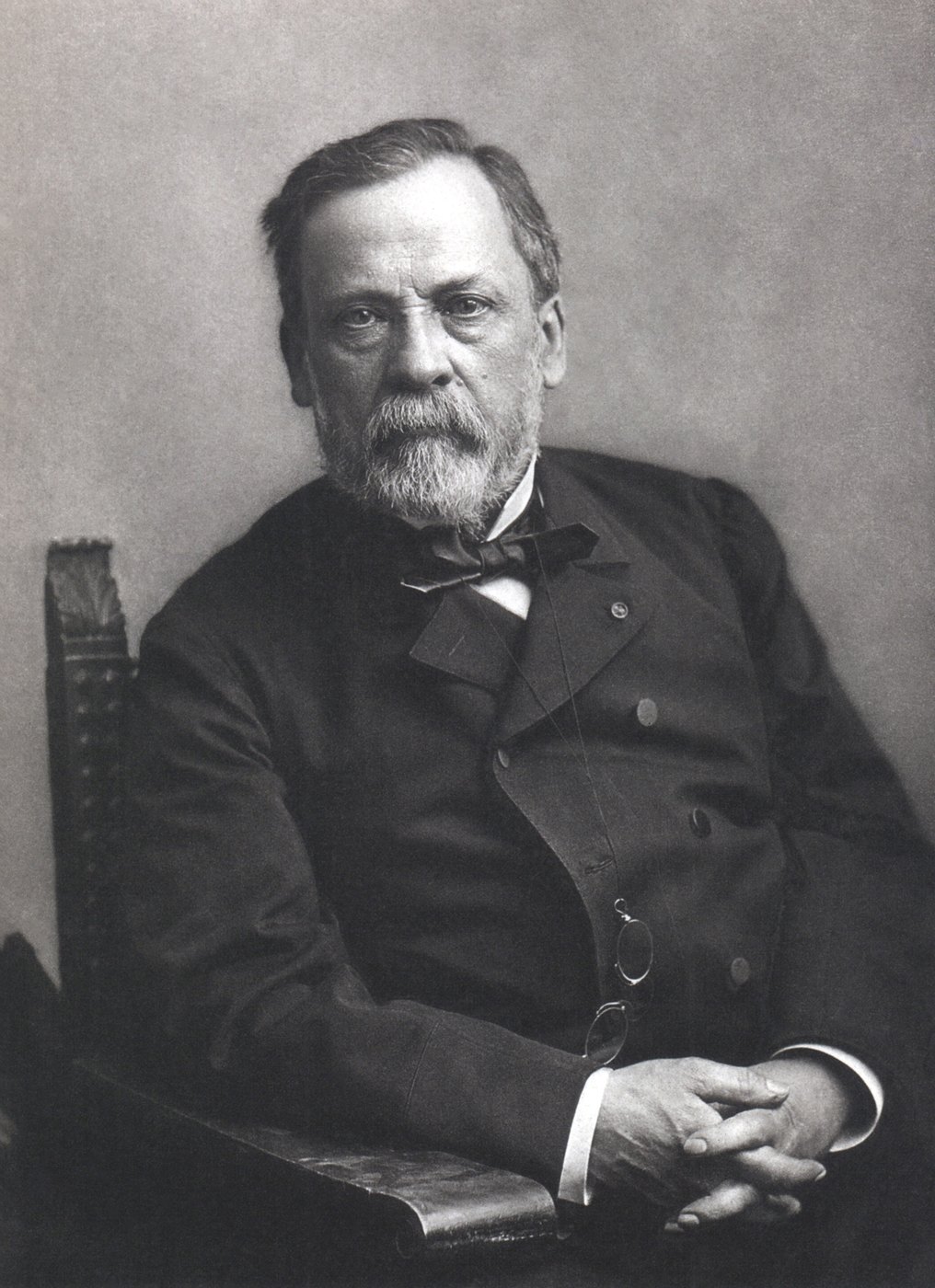
Pasteur, who holds a special place in the history of medical science, is famous in particular for the germ theory of disease and for his resolute opposition to the theory of evolution. He was the first to explain the organic basis of fermentation and methods of controlling it. His work led him to bacteriology. As a result of the research he carried out in this field, Pasteur discovered vaccination, the most important means of combating rabies, diphtheria, anthrax and other diseases, and set out the methods of the processes of pasteurisation and sterilisation.
Pasteur, who had a very strong belief in God, was subjected to much pressure in his time for opposing Darwin's theory of evolution. Pasteur, who defended the connection between science and religion, is very famous for the words he spoke on this matter. Some of these words are as follows:
"The more I study nature, the more my faith increases before the works of the Creator."89 "Science brings man nearer to God."90
William Thomson (Lord Kelvin) (1824-1907)
Lord Kelvin, known for his devoutness, is one of the leading physicists of his time. He won the respect of scientific circles through the services he rendered and the discoveries he made in such fields of science as mathematics and physics. Lord Kelvin was the first person to develop a successful method for liquefying hydrogen and helium. Because of his discoveries concerning heat, degrees of temperature are today called "degrees Kelvin". In addition, he made thermodynamics a formal physical law, formulating its first and second laws precisely.
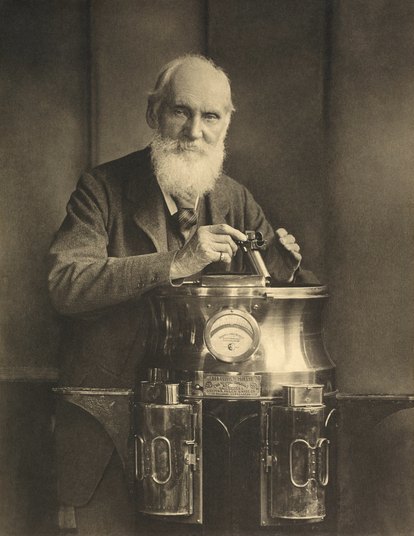
Some of Lord Kelvin's words expressing his belief in God are as follows:
"Do not be afraid of being free thinkers. If you think strongly enough, you will be led by science to the belief in God."91 "When we look at the origin of life, science positively affirms the existence of that Great Power."92
J. J. Thomson (1856-1940)
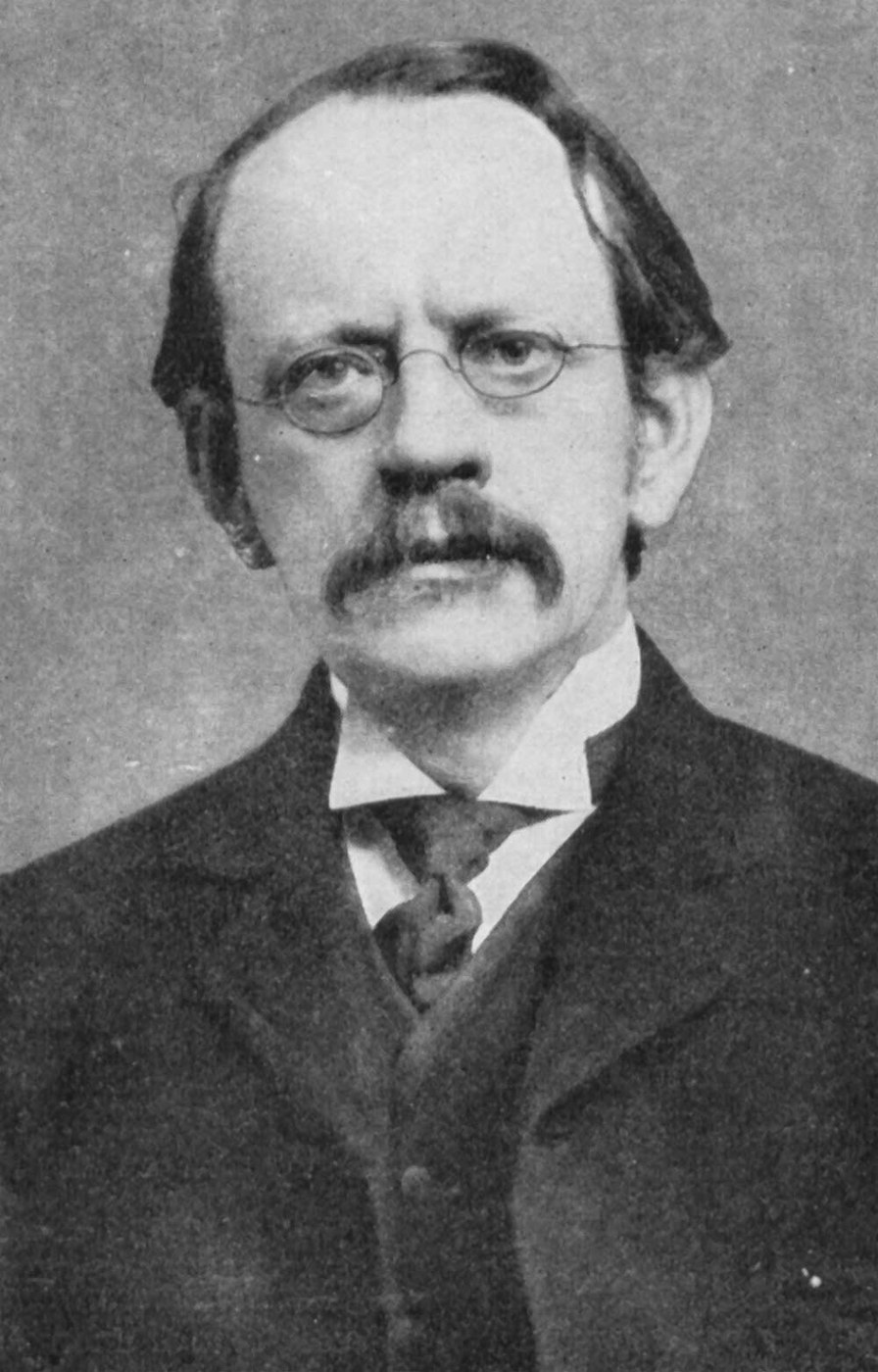
J. J. Thomson, who first revealed the existence of the electron (1897), was professor of physics at Cambridge University. The words of Thomson, who had a strong faith, expressing that the conclusions reached by science show the existence of God, are as follows:
"The lofty peaks of the castle of science show the magnificent works of God."93
William Huggins (1824-1910)
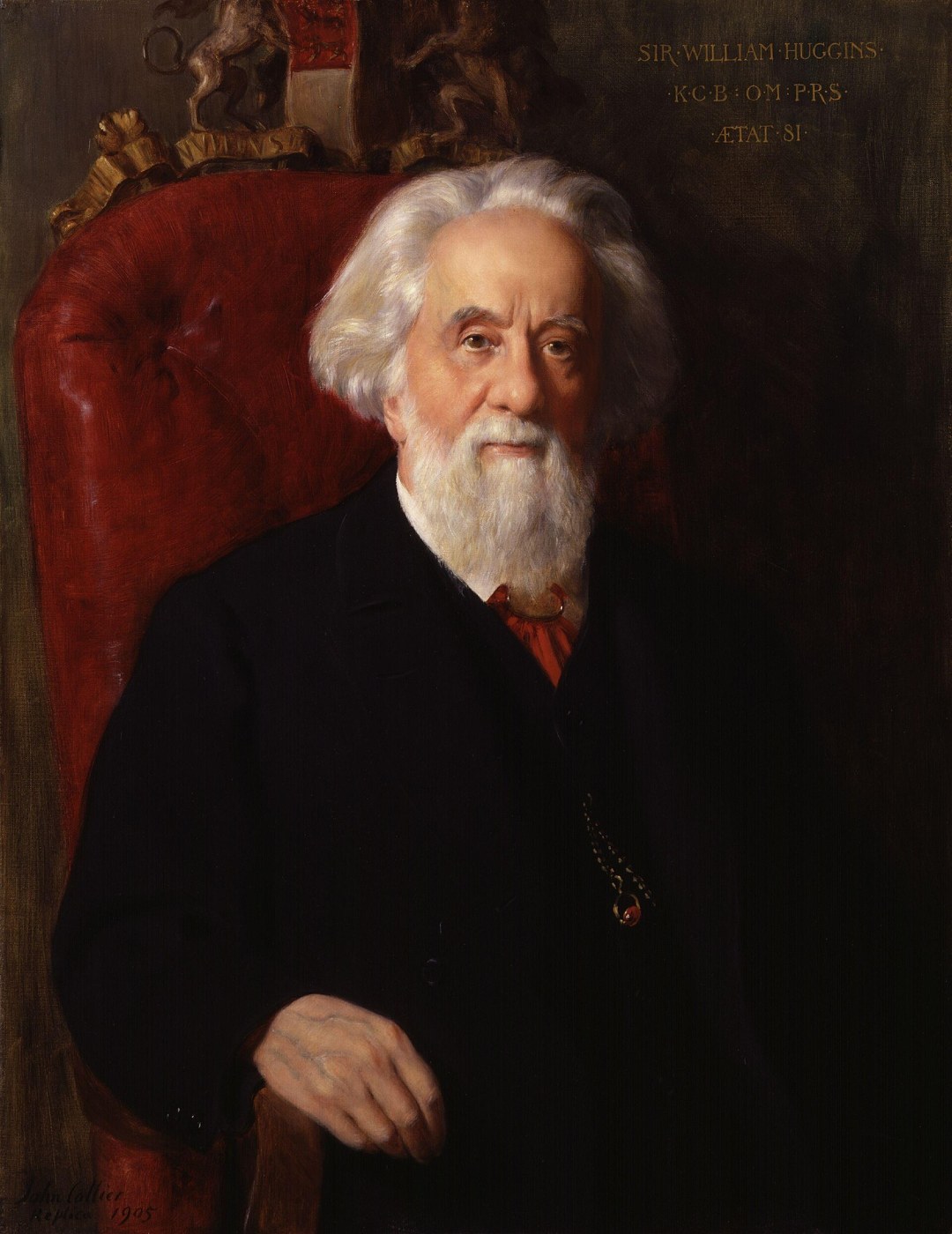
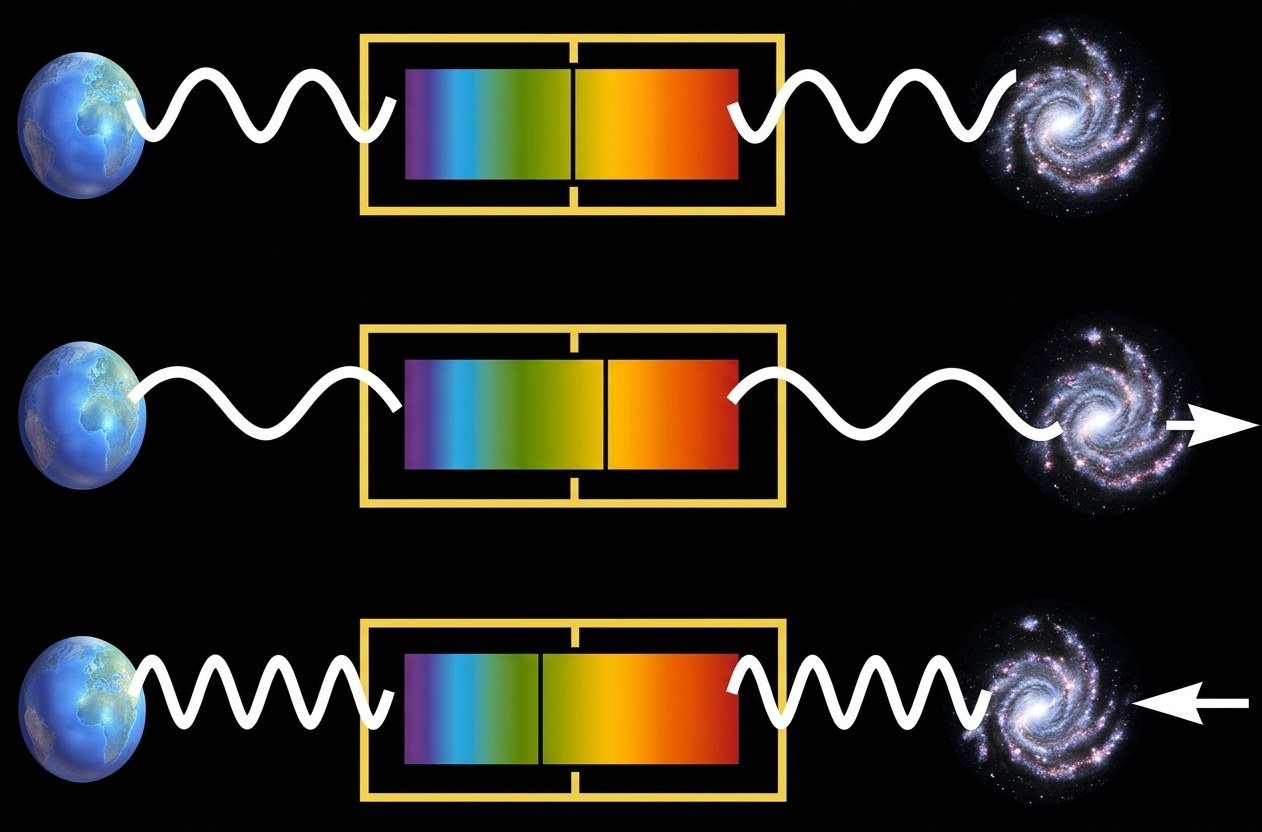
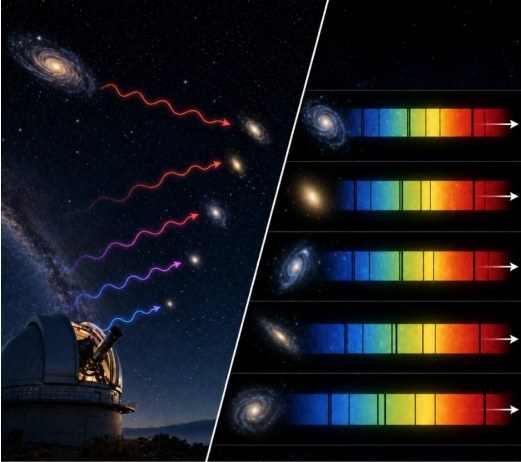
Huggins, both a fine astronomer and a believing scientist, discovered that the stars contain hydrogen as well as most of the elements present on earth. Huggins was also the first to determine the Doppler effect (stars emitting light shifting from blue towards red as they move away from one another), which clearly proves that the universe is expanding.94
James Clerk Maxwell (1831-1879)
Despite his short life, Maxwell is a great scientist known for his very important services to science. Maxwell, accepted as one of the founders of modern physics, showed that light and electricity are related to one another, and succeeded in expressing light, electricity and magnetism in a single set of equations. While working on the theory of relativity, Einstein made use of Maxwell's equations.
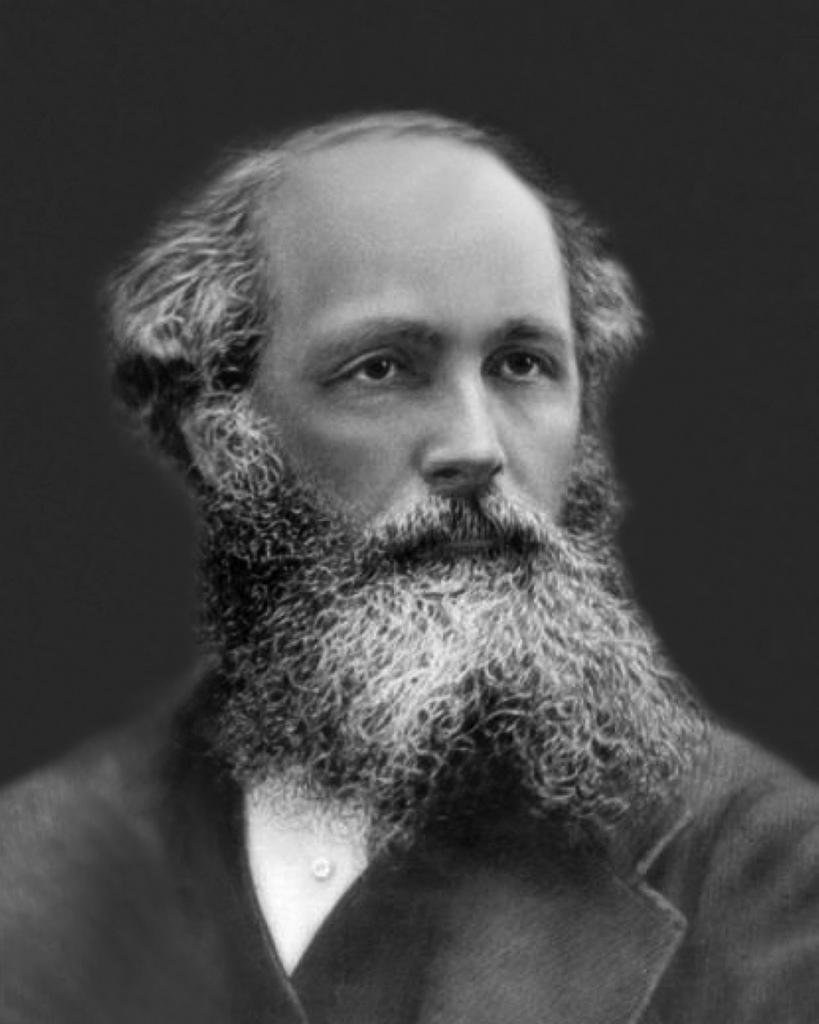
Maxwell, described by Albert Einstein as "the most profound and the most fruitful that physics has experienced since the time of Newton", was at the same time a man of faith. Maxwell, who was opposed to the theory of evolution, firmly objected to the famous "nebular hypothesis" of the French atheist Laplace and to Herbert Spencer, the evolutionist philosopher and follower of Darwin.
In a letter he wrote, he stated that a believing scientist should work for the benefit of religion.95
John Strutt (1842-1919)
John Strutt worked on the motion of electromagnetic waves and also made contributions in various scientific subjects such as optics, sound and gas dynamics. Strutt also discovered argon and the rare gases. The scientist, known for his devoutness, wrote "The works of the Lord are great" in the preface to the articles he published.96
George Washington Carver (1865-1943)
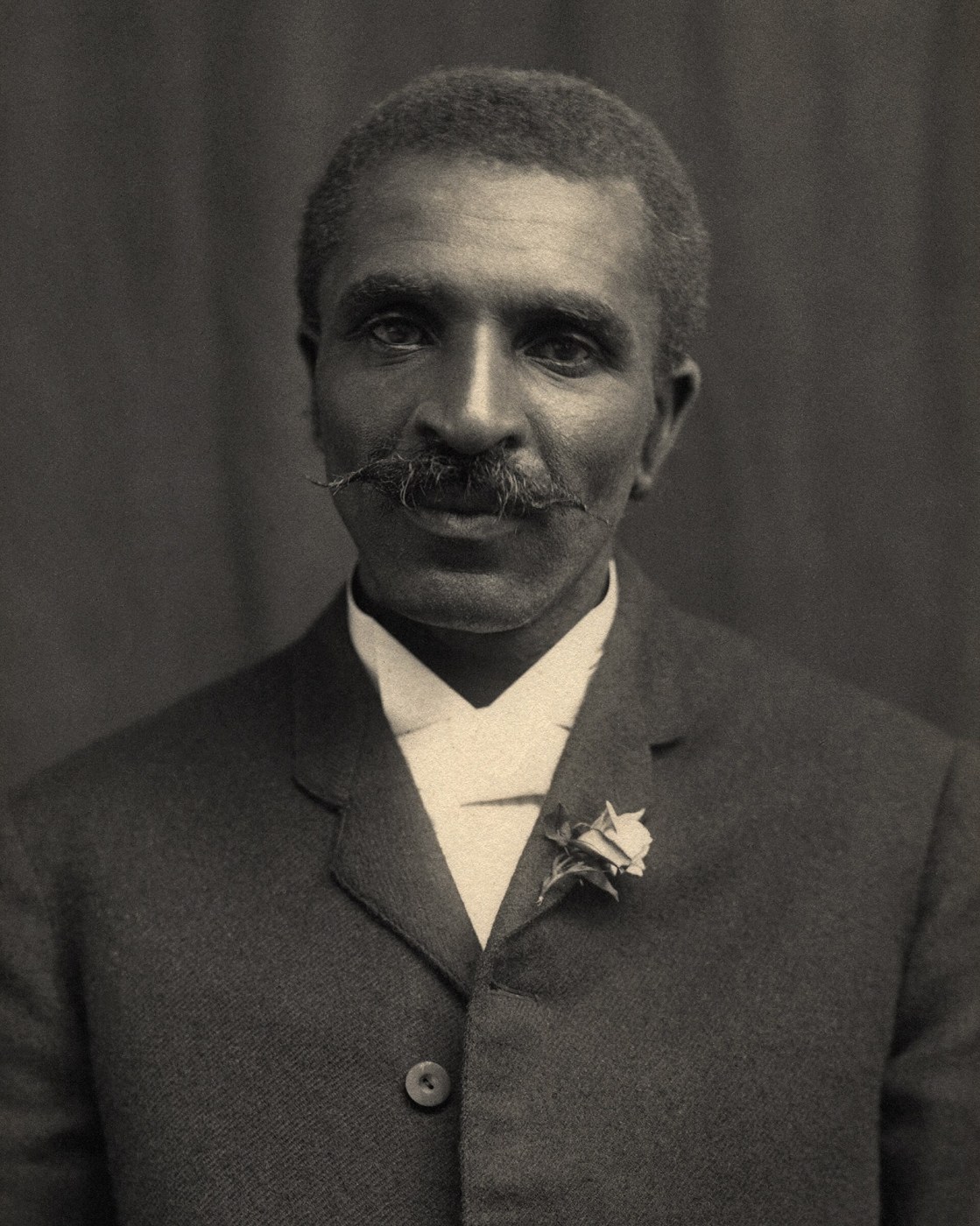
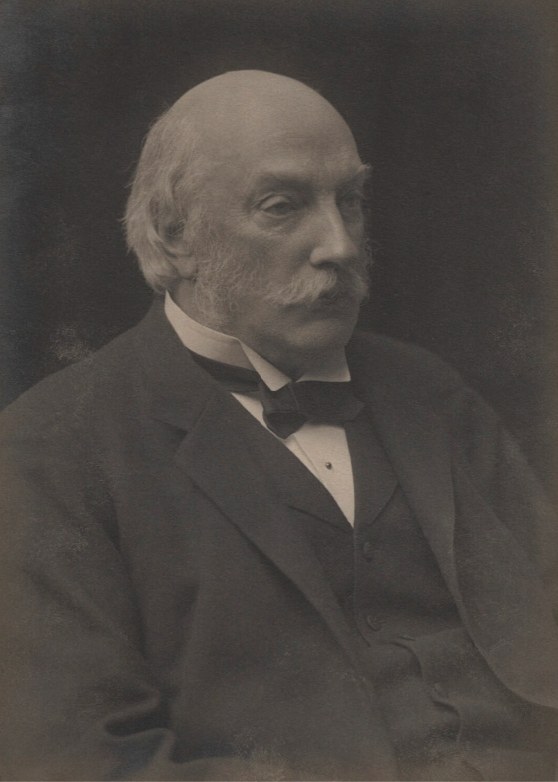
From the 1880s onwards agricultural chemistry became a very important field of science.

Carver is a scientist famous for his very important discoveries in this field.
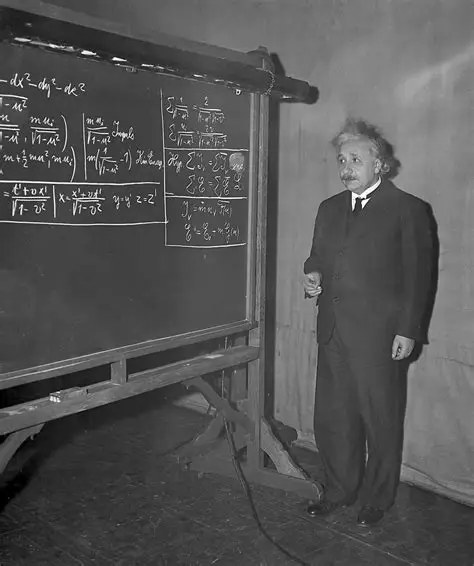
Carver was known for his belief in God and in all his conversations brought the subject round to his deep devotion to God. In an interview he gave to the magazine "Atlanta", when he was asked about the clay paint he had discovered, he replied: "All I do is make what God has created usable by people. It is God's work, not mine."97
James Jeans (1877-1946)
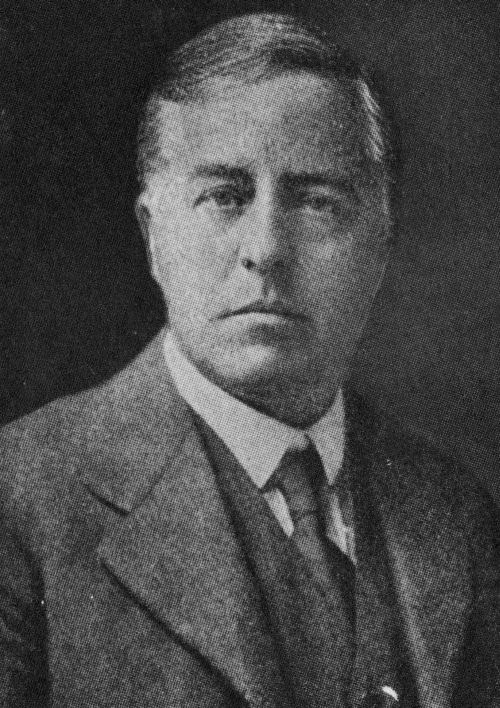
The famous physicist James Jeans believed that the universe was created by a Creator possessing infinite knowledge. Below are some of Jeans's statements in which he expressed his faith:
"We discover that the universe shows evidence of a designing or controlling power."98 "The result of the scientific research carried out on the universe can be expressed in a single sentence: the universe was designed by a being whose knowledge is infinite."99
Albert Einstein (1879-1955)
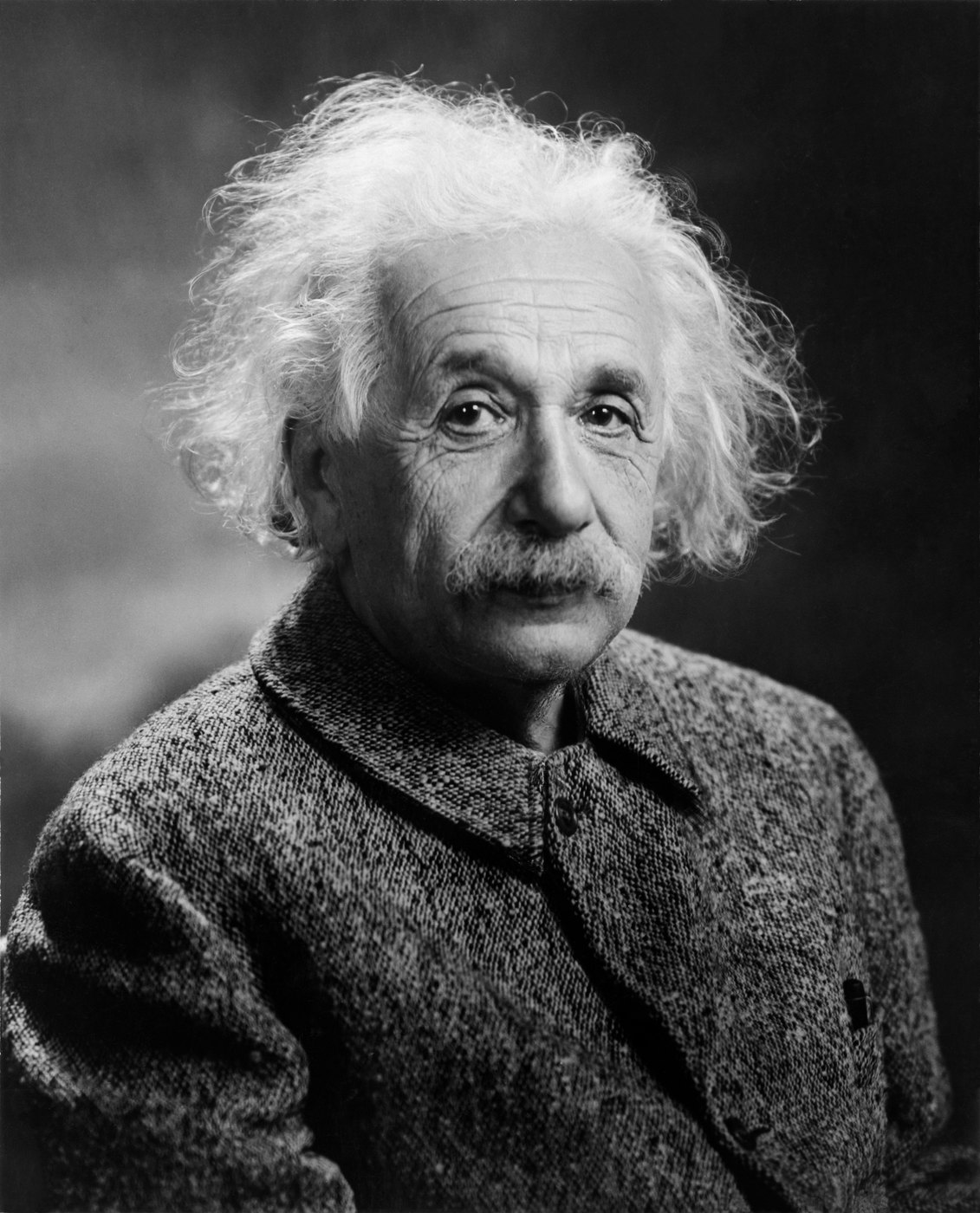
Albert Einstein, the most famous scientist of our time, was also known for his belief in God. One saying of Einstein, who maintained that science cannot be without religion, concerning religion and science is as follows:
"I cannot conceive of a genuine scientist without that profound faith. The situation may be expressed by an image: science without religion is lame."100
Einstein believed that the universe possesses an order too perfect to have come about as a result of chance, and that the universe was created by our Creator, the Possessor of superior Intellect.
For Einstein, who often spoke of his faith in God in his articles, the perfection of the natural order in the universe is extremely important. In one article Einstein stated that "everyone who investigates nature has within him a kind of religious reverence"101 and said:
"Everyone who is seriously involved in the pursuit of science becomes convinced that a spirit is manifest in the laws of nature – a spirit vastly superior to that of man. In this way the pursuit of science leads man to religion."102
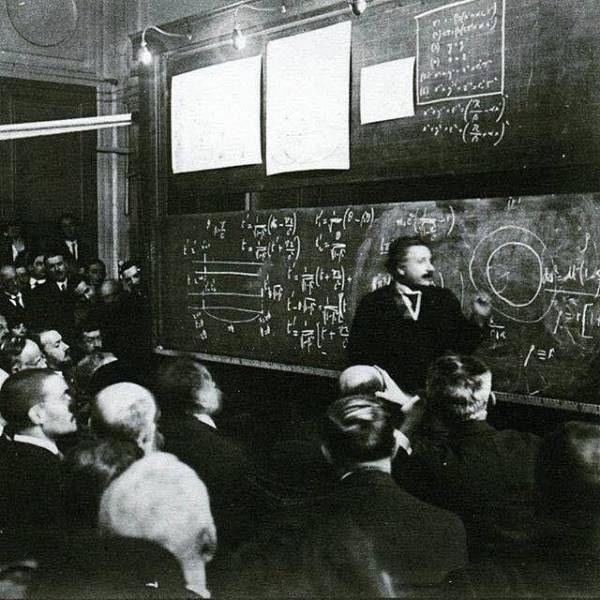
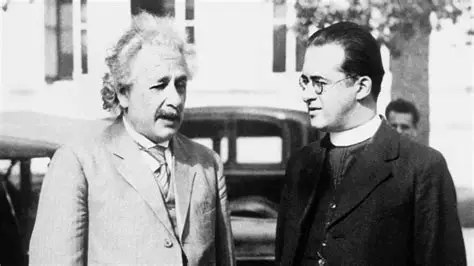
Einstein's view of religion can also be seen in the following words of his:
"Whenever the religious feeling is lost, science degenerates into uninspired empiricism."103
Georges Lemaître (1894-1966)
Georges Lemaître put forward the "Big Bang" theory, which expresses the creation of the universe. Lemaître maintained that the universe has a beginning and an end, and that this plays an important part in many people coming to believe in God. Lemaître, who was at the same time a man of religion, believed that religion and science would lead humanity to the same truths.104
Alister Hardy (1896-1985)
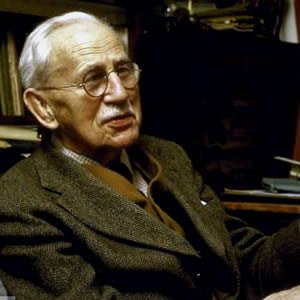
Hardy is the founder of the modern science of oceanography. In 1985 the Templeton Foundation, which rewards believing scientists for their services to religion, awarded Hardy a prize for turning to religion through science and for his work in this field.105

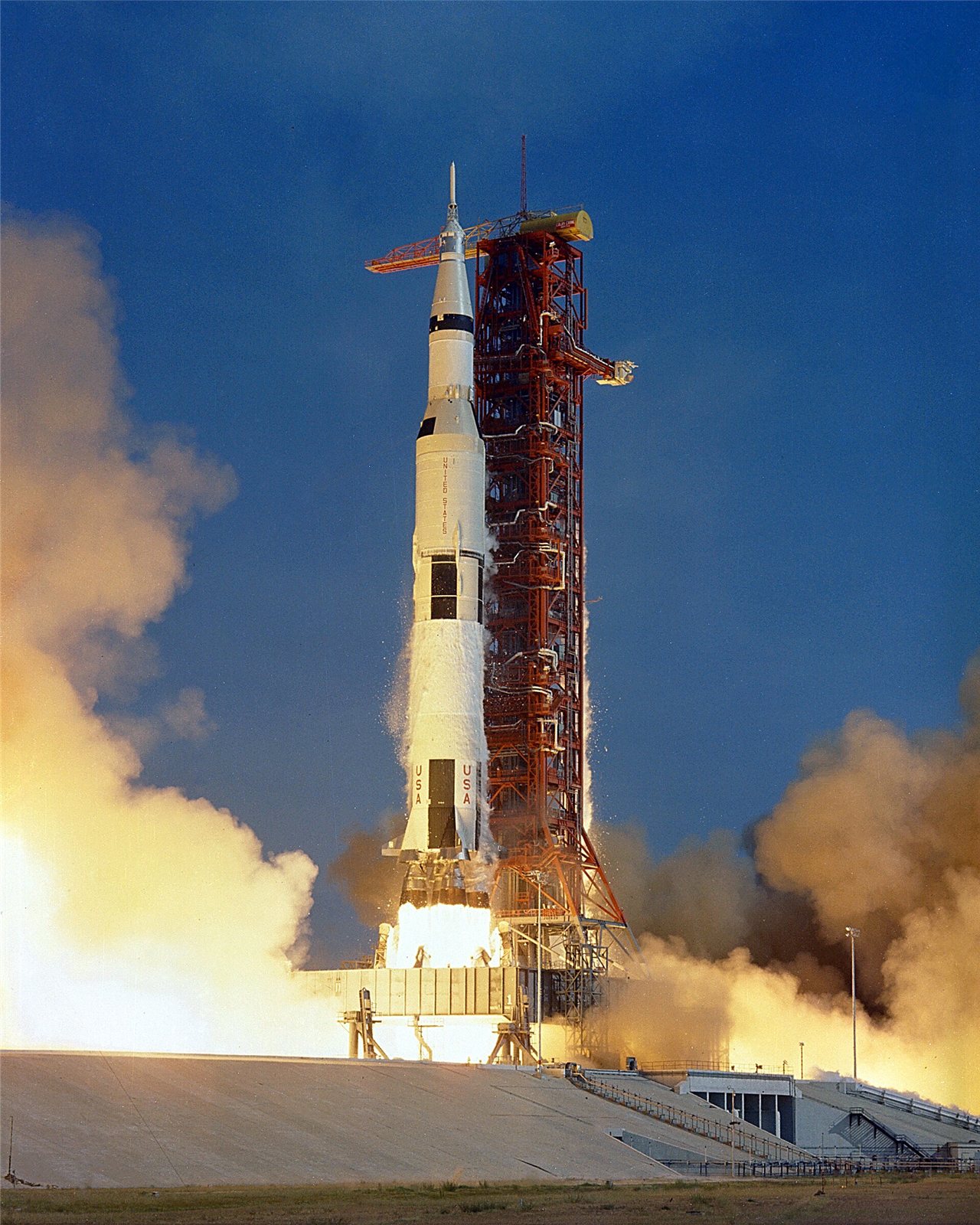
Wernher von Braun (1912-1977)
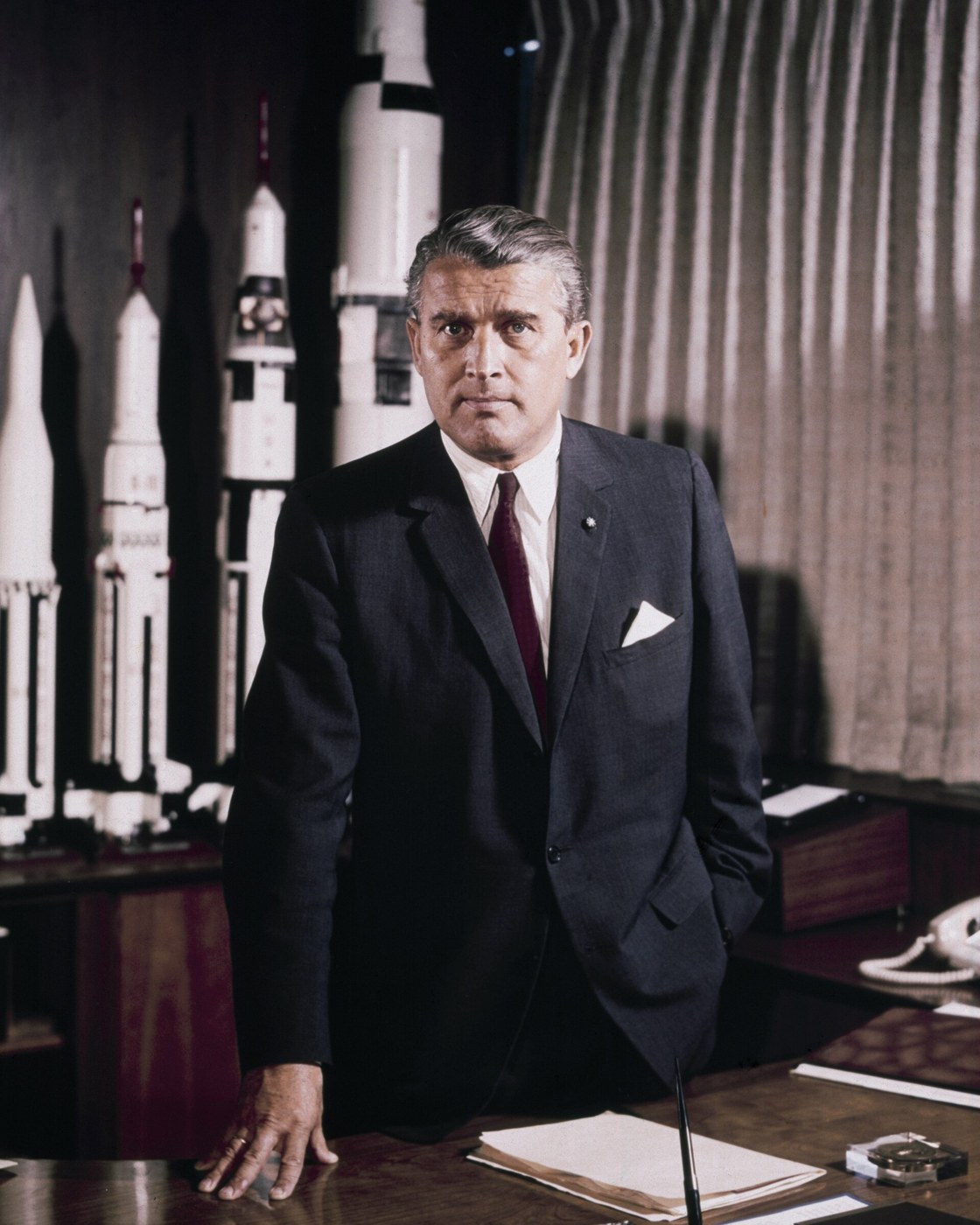
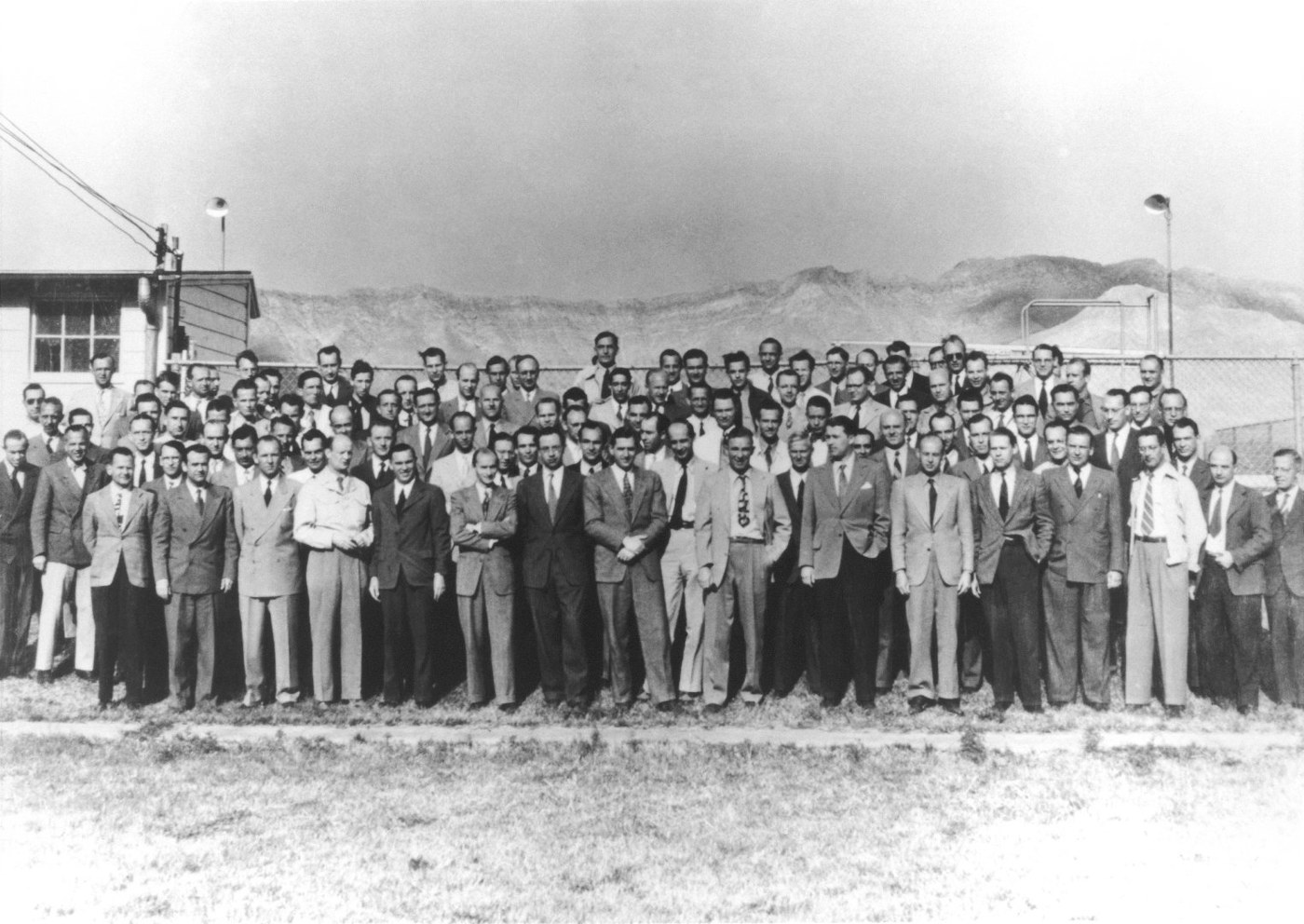
Wernher von Braun is one of the most famous space scientists known worldwide. During the Second World War Wernher von Braun helped the development of German rocket engineering by perfecting the famous V-2 rockets. Braun, who directed work at NASA, was at the same time a devout scientist with a strong faith.
He said the following about creation and the order in nature:
"Manned space flight is an amazing achievement, but space has opened only a tiny part of its doors to mankind. An outlook through this peephole at the vast mysteries of the universe confirms our certain belief in the Creator. I find it difficult to understand a scientist who does not acknowledge the presence of a superior rationality behind the existence of the universe, as it is to comprehend a theologian who would deny the advances of science."106
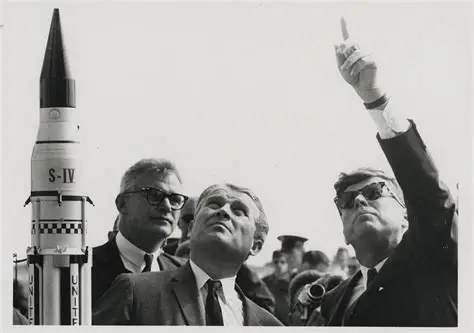
In an article published in May 1974, Wernher von Braun wrote:
"One cannot be exposed to the law and order of the universe without concluding that there must be design and purpose behind it all. The better we understand the intricacies of the universe and all it harbours, the more reason we have found to marvel at the inherent design upon which it is based. To be forced to believe only one conclusion – that everything in the universe happened by chance – would violate the very objectivity of science itself... What random process could produce the brain of a man or the system of the human eye?..."107
Max Planck (1858-1947)
The famous German physicist Max Planck discovered the physical constant known by his name. Planck, who was professor of physics at the University of Berlin in the 1900s, stated that light (radiation) has a structure not like the continuous flow of water in a stream, but like the pattern that raindrops form on a windowpane.
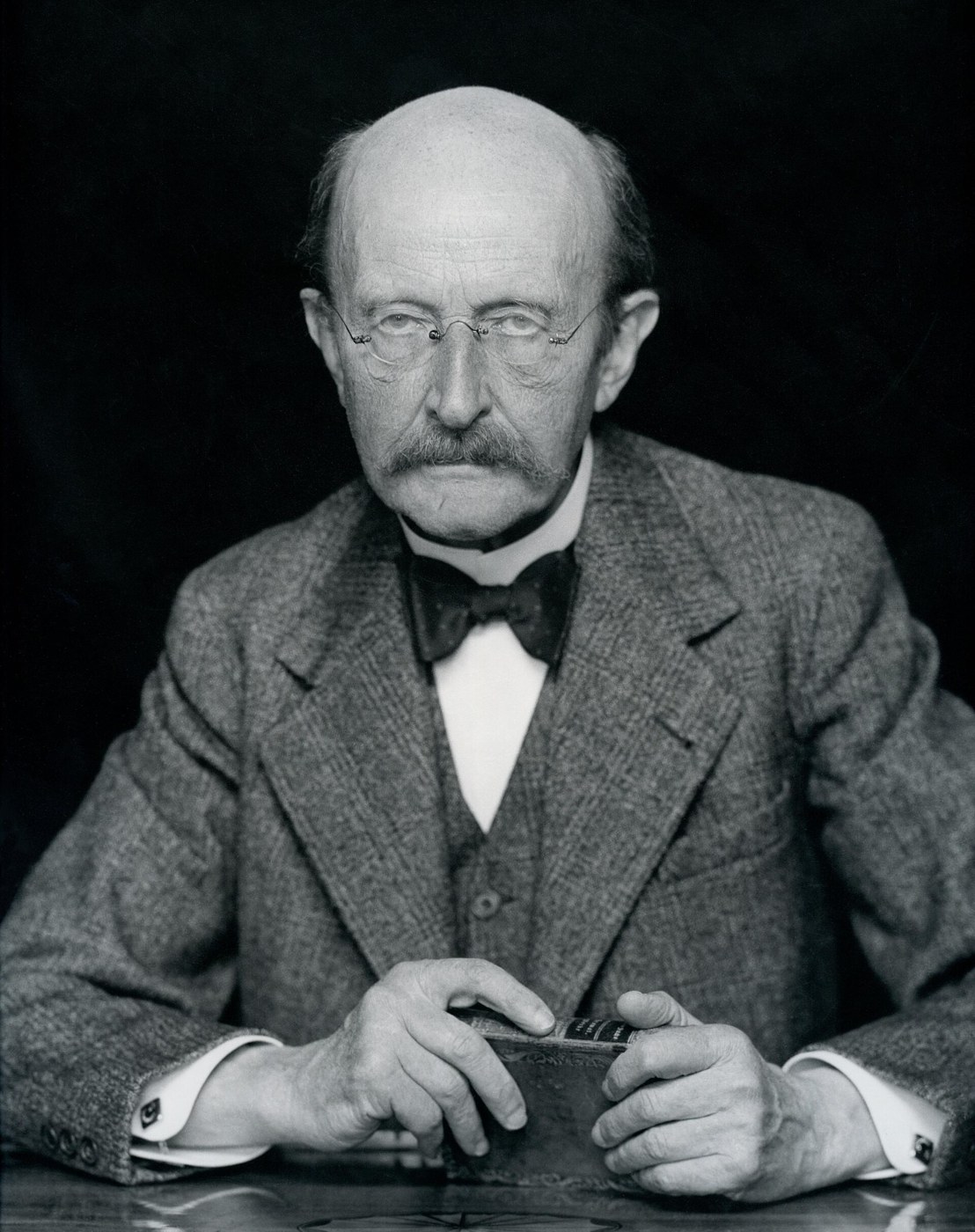
In the period before Planck, scientists thought that light was a wave motion. Planck, who stated that every particle of light is a packet of energy, gave each packet the name "photon". The concept of the "photon" brought about a turning point in the science of physics. Planck also stated that light does not only spread through the air in waves like sound, but can also move in the form of particles.
Planck, the author of such important discoveries, believed in the intellect of a great "Power" governing the universe. Max Planck, who said that God is the Creator of the order in the universe, emphasised his faith in God with the following statement:
"Anybody who has been seriously engaged in scientific work of any kind, whatever the field, will read these words over the entrance to the gates of the temple of science: 'Ye must have faith. Faith is a quality which the scientist cannot dispense with.'"108
Charles Coulson (1910-1974)
Coulson, who was for many years professor of mathematics at Oxford University, stated in his words his faith in God, his desire to draw near to God, that he prayed to God, and that the purpose of his life was to draw near to God.109