
The Qur'an Leads the Way to Science: Believing Scientists of Our Time
Contents
- Introduction
- Intelligent Design, That Is, Creation
- Religion Encourages Science
- Religion Ensures That Science Is Rightly Guided
- Religion and Science Are Always in Agreement
- The Scientific Miracles of the Qur'an
- Scientists Who Believed
- Believing Scientists Who Lived in the Past
- Other Believing Scientists Who Lived in the Past
- Believing Scientists of Our Time
- Muslim Scientists
- Other Believing Scientists of Our Time
- Conclusion
- Notes

In the 20th century great achievements were made in science, and many matters that had remained secret for centuries were uncovered. Advancing science has shown a clear truth: the truth of Creation. Every scientific achievement shows the flawless design, order and plan in all the living and non-living beings in the universe. Many scientists who personally witnessed these achievements saw that the design of the entire universe is the work of a superior Intellect and, understanding that God, the Possessor of infinite might, created everything, defended the truth of creation.
Today, in Western countries, first and foremost the USA, many academies and organisations founded by believing scientists are active. These scientific bodies are at the same time continuing their work to show the flawless design revealed by scientific evidence.
Some of the believing scientists living in our time and known for their scientific work are these:
Henry Fritz Schaefer
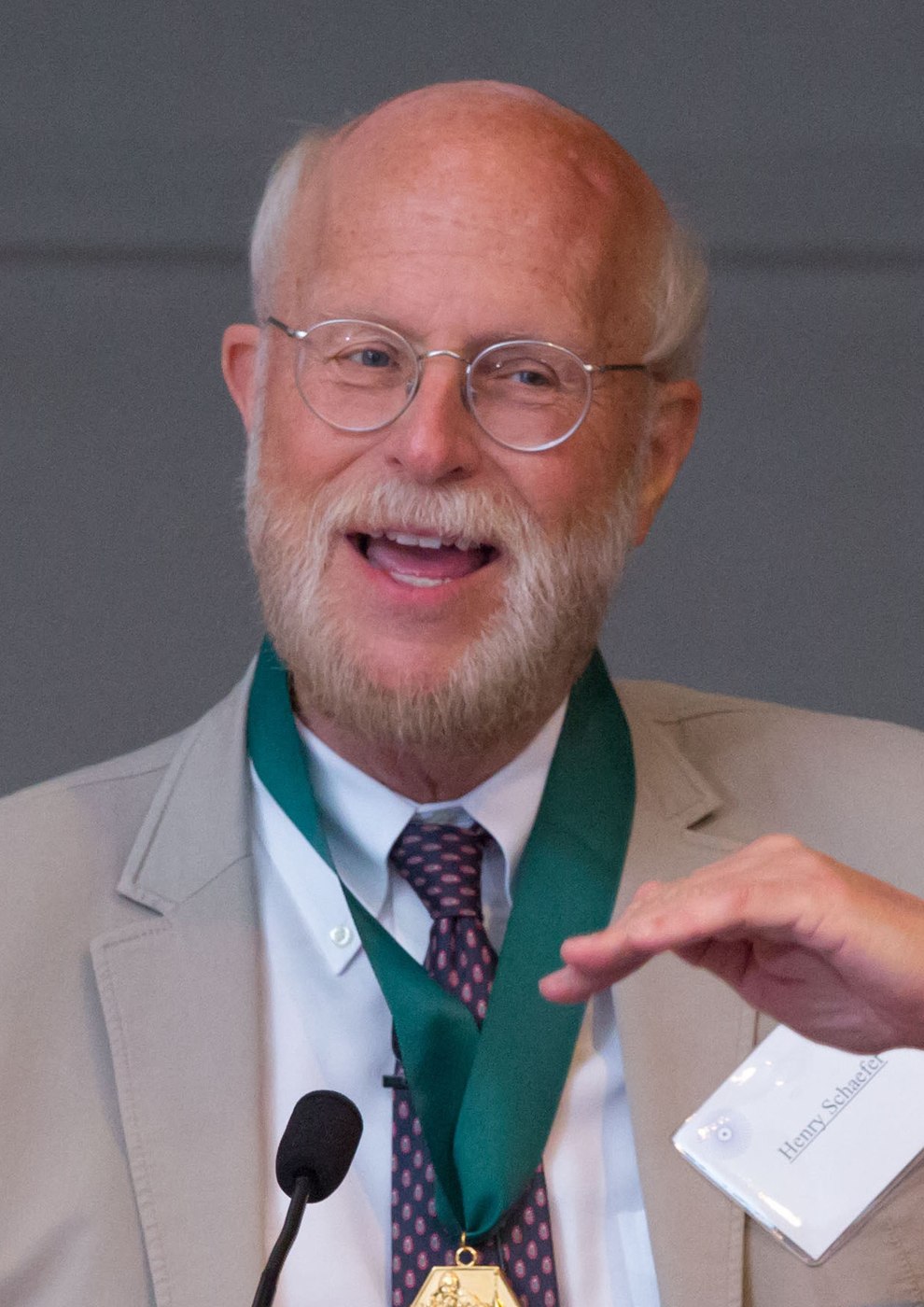
Schaefer is professor of chemistry at the University of Georgia and director of the Center for Computational Quantum Chemistry; Schaefer, who has been nominated 5 times for the Nobel Prize, is regarded as the third most cited chemist in the world. Schaefer, a believing scientist, expressed in these words that the aim of his scientific work is to know God:
"The significance and joy in my science comes in those occasional moments of discovering something new and saying to myself, 'So that's how God did it!'"110
Isaac Bashevis Singer
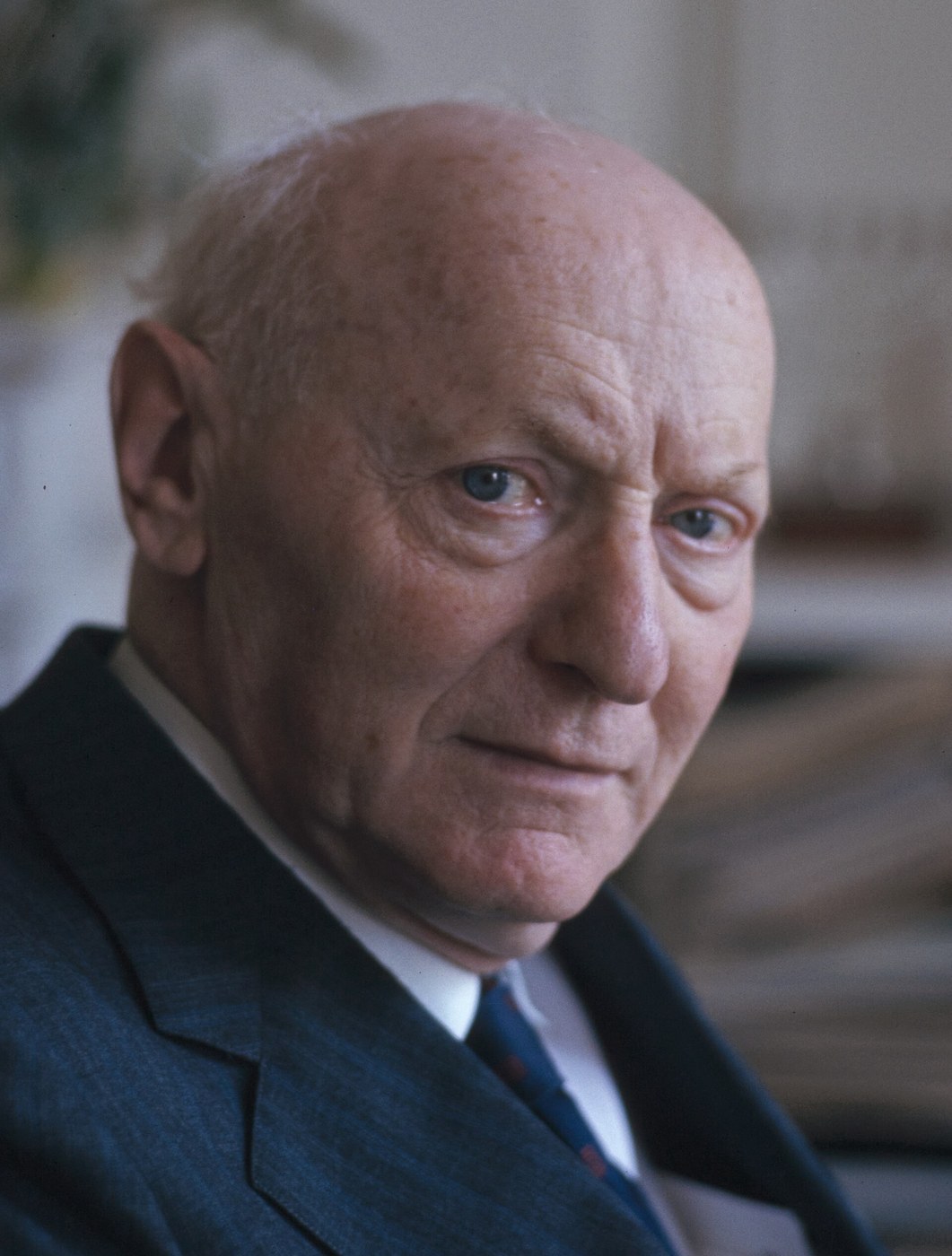
Singer, regarded as one of the famous writers of our time, is a thinker who rejects the theory of evolution and believes in God; at a conference he attended, he judged the thesis of evolution with this interesting story:
"Scientists discovered a desolate island on which no human being had ever set foot. The scientists who were the first to enter this island were deeply impressed by the natural life they saw. The wild animals and virgin forests seemed very enchanting to them. They climbed the steep slopes and surveyed the surroundings. They did not find a trace of even the smallest group of people on the island. Just as they were returning to their ship, they saw an elegant wristwatch of the latest model on the sand. The watch was working. It is an irksome situation for the scientists. Where did this watch come from? They know for certain that no human being came to the island before them. In that case only one way out remained: this watch, with its expensive leather strap, its precious glass, its hands, its battery and its other parts, had come to this island by itself, as a result of chance, and had got onto this stretch of sand. There is no other alternative!" At the end of his story Singer added the following explanation in order to reveal the error into which the evolutionists have fallen: "There is a watchmaker who made the watch!"111

Every living and non-living being existing in the universe possesses superior design and flawless order. Consequently, the existence of none of them is based on chance. It is clear that each of them is the work of a superior and powerful Creator. A great many of the scientists of our time reveal this flawlessness and order and show people that all of them are a work created by God.
Malcolm Duncan Winter Jr.
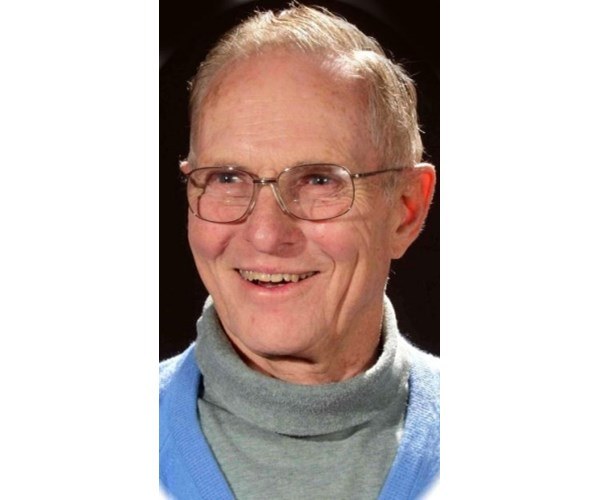
Winter, professor of medical sciences at Wheaton University and Northwestern University, also believes that the universe and man were created by an absolutely superior Creator. He stated this belief as follows:
"Using physical methods we can say that the heavens and the earth with all their mysteries, human life with its changing forms and, finally, man's own existence with its very high qualities... There can be no idea as complicated and meaningless as thinking that all this came about by itself and by chance... Therefore there is an intelligence that rules the universe. Behind all this there is a Creator. Since man possesses a structure superior to the various beings around him, he must turn to the Creator."112
William Phillips
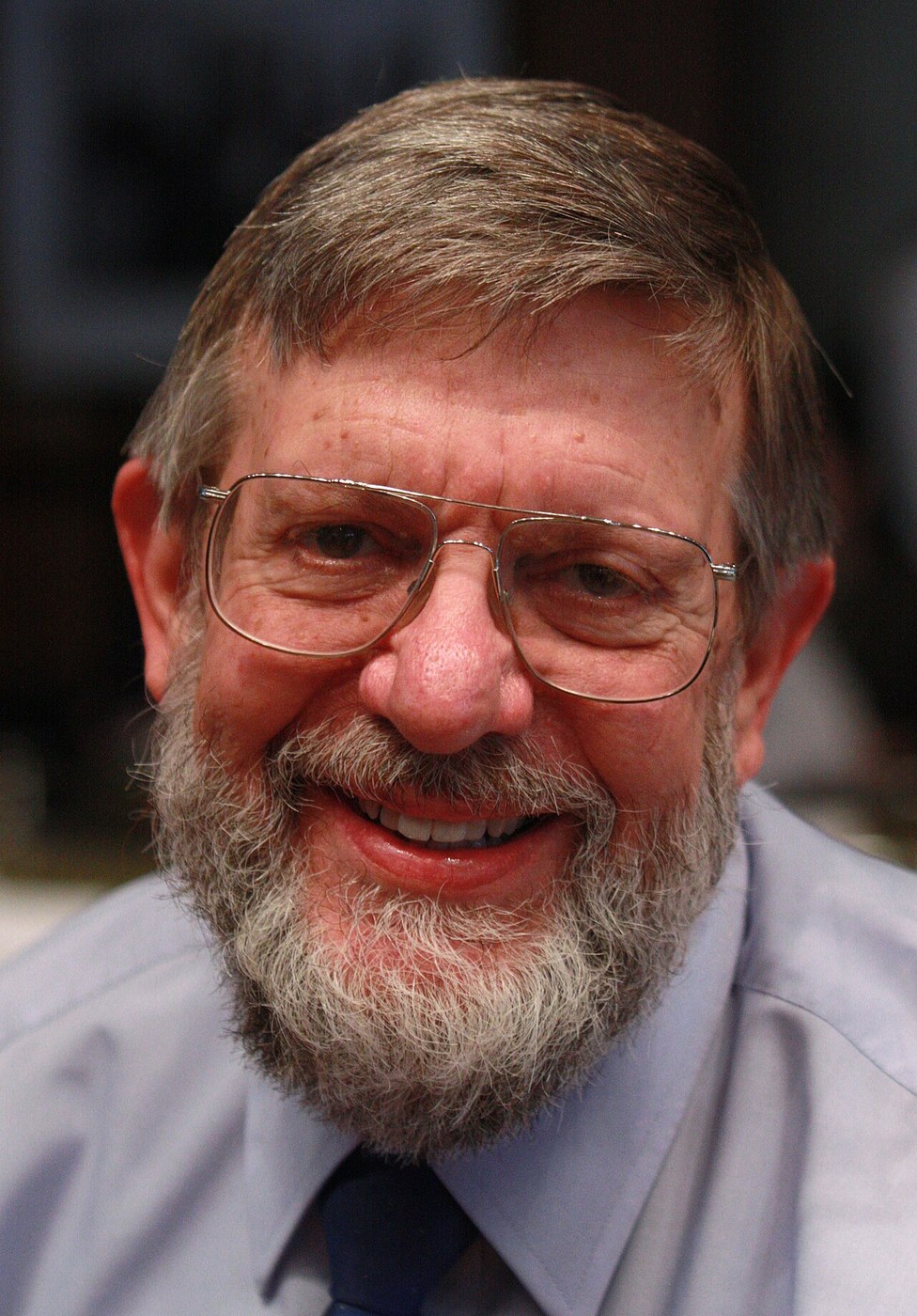
William Phillips, one of the physicists of our time, who received the Nobel Prize before he was even 50 years old for developing methods of trapping atoms with laser light, is also a believing scientist. After winning the Nobel Prize he said at a press conference:
"God has given us a magnificent world in which to live and to explore."113
Dale Swartzendruber

Swartzendruber, who earned his doctorate at the University of Iowa and worked as an assistant professor of soil science at the University of California, is at the same time a member of the Soil Science Society of America. Swartzendruber stated in these words that the entire universe could never have come about by chance and is the work of a Creator:
In everything, whether in the extraordinary sky above our heads or in the earth beneath our feet, there is an absolute plan and a purpose. Trying to deny the existence of the force that produced this purpose and plan, that is, the infinite Creator, is contrary to the laws of reason and logic. It is a greater contradiction than that of a person who, seeing in summer a field brimming with yellowed ears of grain bending their necks, like a sea of wheat, denies and refuses to accept that there is a farmer who sowed it and who is sitting in a hut near the field or somewhere else.114

William Dembski
The research of Dembski, one of the mathematicians of our time, at the same time covers a wide area from philosophy to theology. Dembski is of the opinion that science tries to understand the world and that scientists are each of them merely discoverers. Some of the words in which Dembski expresses his thoughts are as follows:
"... The world is God's creation, and scientists, in trying to understand the world, are thinking God's thoughts after Him. Scientists are not creators but discoverers. ... Creation always points to the existence of the Creator."115
Stephen Meyer
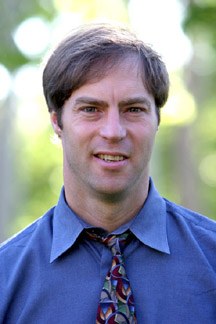
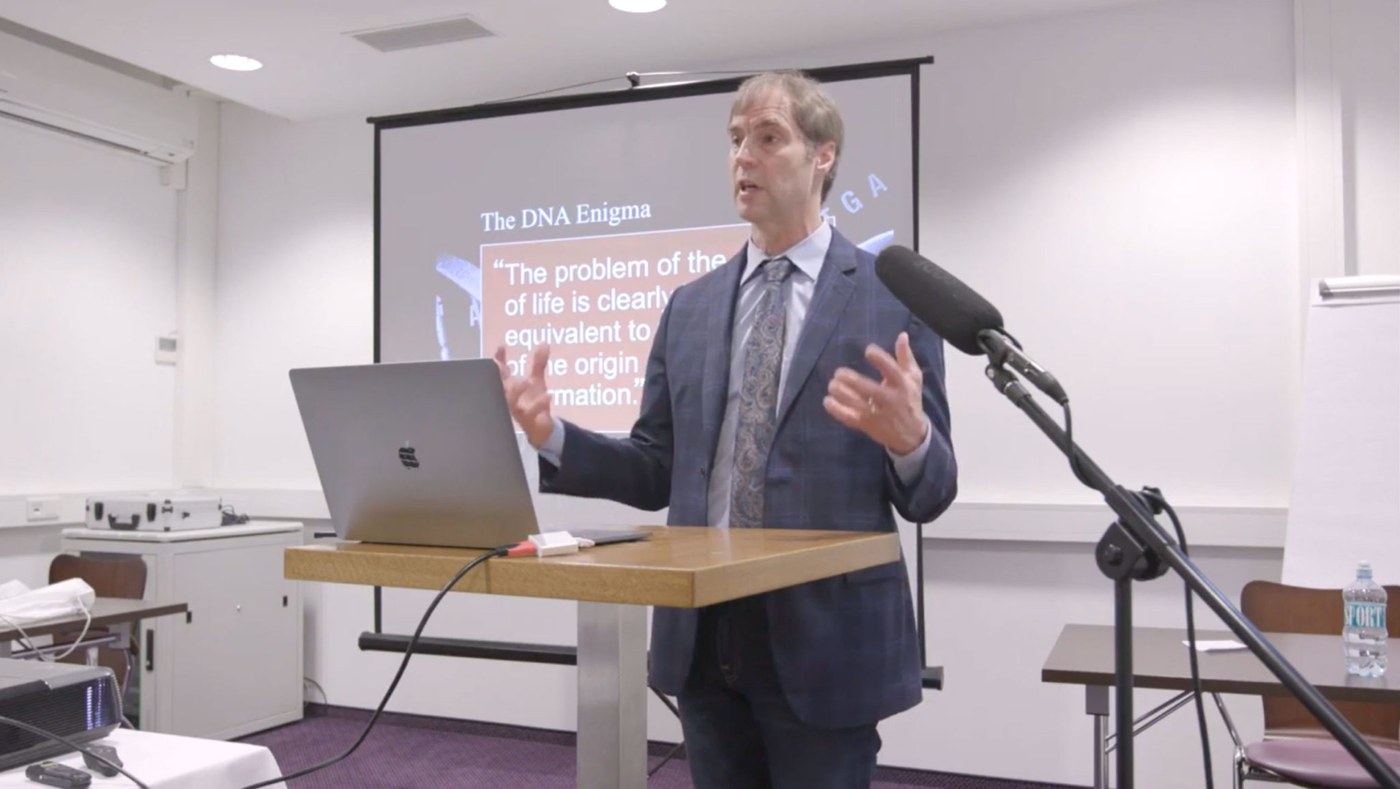
Meyer, professor of philosophy at Whitworth College, is one of the scientists of our time who believe in creation and has written many works on this subject. Some of his words in which he maintains that the universe is the product of conscious design are as follows:
"I argue that neither chance, nor prebiotic natural selection, nor physical-chemical necessity can explain the origin of the information in the first cell."116
Walter L. Bradley
Bradley, professor of mechanical engineering at Texas A&M University, is one of the authors of the book The Mystery of Life's Origin.
Bradley, who upholds the idea that the entire universe, everything living and non-living, is the product of a design and that the evidence of this is everywhere, emphasised his belief in the existence of the Creator with this statement:
"In the spring of 1987, while I was at Cornell University on business, I attended a conference on Christianity and science. At this conference I showed the existence of God with scientific evidence."117

In another statement Bradley said:
"There is very clear evidence that there is an Intelligent Creator."118
Earl Chester Rex
Rex, who was assistant professor, associate professor of physics and professor at the University of Washington and the University of Southern California, is at the same time a member of the American Institute of Physics. Rex, who believes that God created the entire universe and that the universe is likewise ruled by God's power, voiced this thought in these words:
"Modern theories that explain the formation of the universe and define the laws that rule it become extremely complicated and tangled, obscure and hopeless when they are put forward with a way of thinking that lies outside the idea of God. I personally believe in the existence of God and accept that He rules this universe."119
Allan Sandage
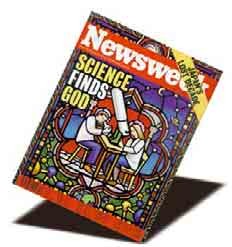
Allan Sandage, the best-known cosmologist of our time, is a scientist who later embraced religion. In an interview he gave in 1998 to the magazine Newsweek, whose cover bore the headline "Science Finds God", Sandage explained his acceptance of religion as follows:
"It was my science that drove me to the conclusion that the world is much more complicated than can be explained by science. It is only through the supernatural that I can understand the mystery of existence."120
Cecil Boyce Hamann
Hamann, who was a professor in the biology faculty of St. Louis University and teaches biology at Asbury College, is one of the scientists of our time who have a strong faith in God. Hamann expressed his faith in these words:
"Wherever I have turned in the world of science, I have seen matchless law and order showing the existence of a Creator Most High. I have witnessed examples of extraordinarily superior creation... Yes, I too believe in the existence of God. I accept that He created and preserves this universe and that He has power over all things. But that is not all. I also accept that He preserves every particle of the creature called man."121
Paul Ernest Adolph
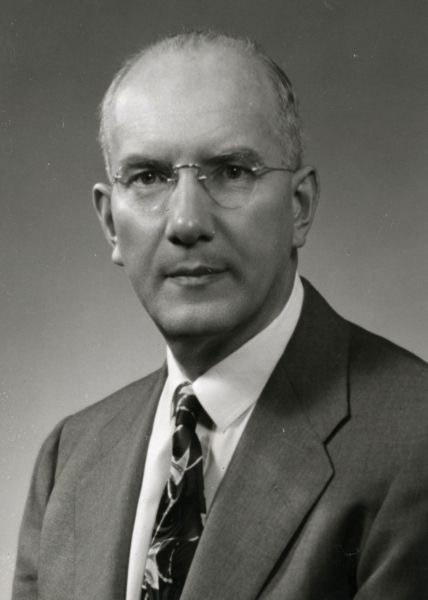
Prof. Adolph, assistant professor at St. John's University and a member of the American College of Surgeons, is one of the scientists who gained a strong belief in God as a result of his scientific work. Paul Ernest Adolph explained his faith as follows:
"I believe in God firmly and without any doubt, and this faith of mine is a faith that is confirmed and strengthened in the field of science in which I am engaged... Here, I answer the question: yes, there is a Creator in the universe."122
Lester John Zimmerman
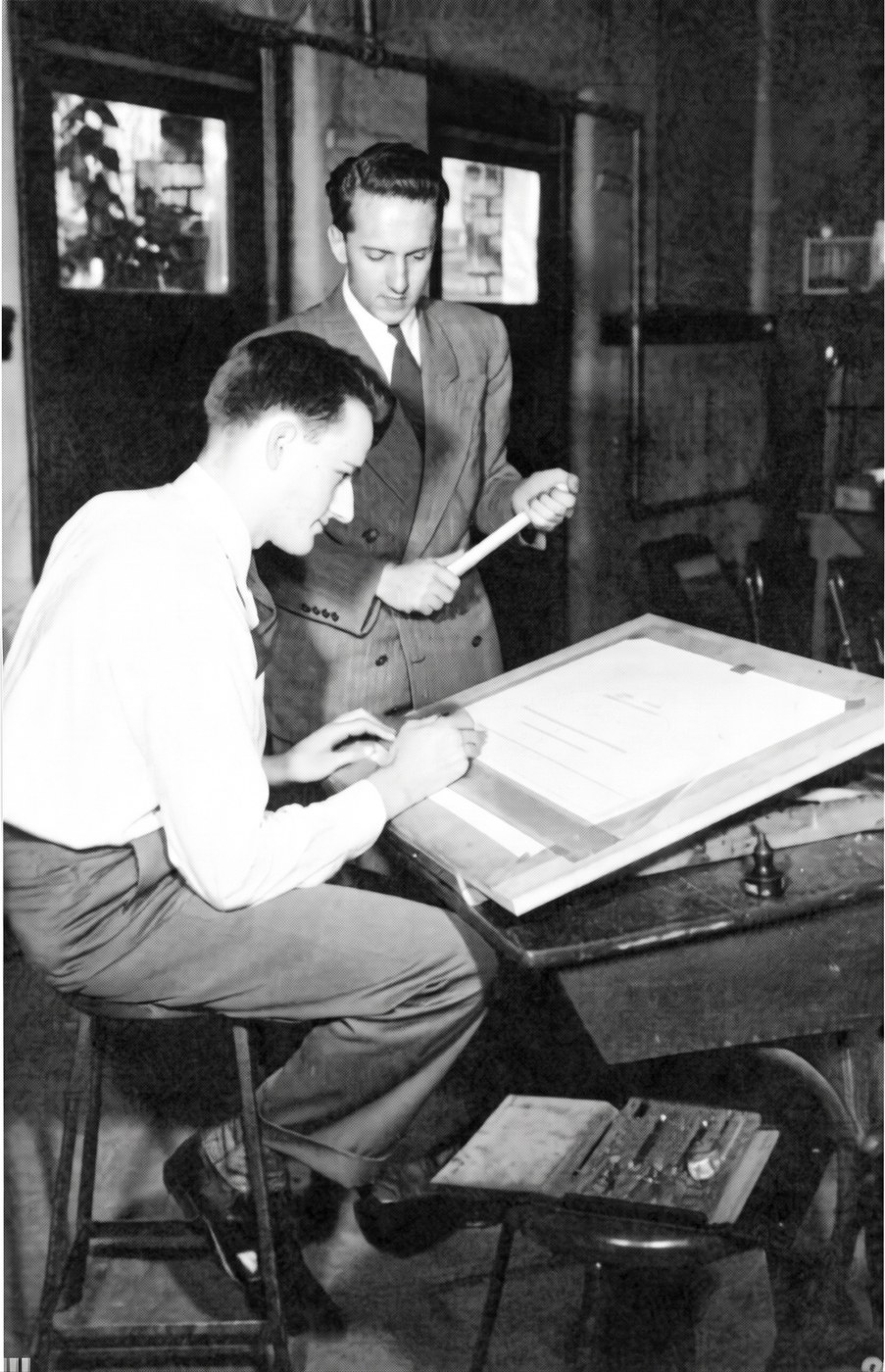
Prof. Zimmerman, who defended his doctoral thesis at Purdue University and is professor of agriculture and also of mathematics at Goshen College, voiced his faith in God in these words:
"There is no doubt that everything came into being through the exalted might of God. It is He Who shows and marks out for everything the way it is to go. The deeper I go in my research on soil and plants, the more my faith in God increases..."123
Enrico Medi
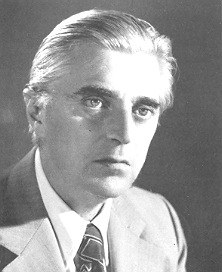
The famous Italian scientist explained as follows, during an international conference held in Rome in 1971, the miracles a scientist witnesses and the conclusion he reaches:
"Outside space and time there is a cause that is the owner of all beings and that created all beings in this way... this Creator is God."124
Wayne U. Ault
Ault received his higher education at Columbia University and worked as a research director in geochemistry laboratories in New York. Ault stated in these words that scientific research strengthens man's faith in God:
"There is no doubt that advancing up the steps of science and researching and investigating the nature and causes of the coming into being of things is one of the greatest and most important qualities distinguishing human intelligence from other beings. A scientist who accepts that a power created the universe and carries out his scientific research with this faith will certainly, as he continues his scientific work, encounter evidence that will increase his faith in God."125
Michael P. Girouard

Michael Girouard, professor of biology at Southern Louisiana University, is one of the scientists of our time who believe that life cannot have come about as a result of chance and that the extremely complex and flawless structures of proteins, the basis of life, and of the cell are a work created by God. Girouard took part in the 2nd International Conference entitled "The Collapse of the Theory of Evolution: The Fact of Creation", organised by the Science Research Foundation in July 1998. In his speech at this conference entitled "Is It Possible for Life to Have Come About by Chance?", he set out the truth he believes in with scientific facts and concluded his speech as follows:
"The structure of living things is more complex and different than the structure obtained in laboratory experiments. When we look at the laws of chemistry and physics and want to comment on this subject, the laws of chemistry and physics in the laboratory tell us this: there must be an intelligence, there is certainly a Creator, there is a Creator Who arranged this information. This explanation is still the most scientific explanation in the world. The laws of physics and chemistry themselves tell us definitively that it is not possible for the living to have come about from the non-living as a result of evolution. On the basis of scientific evidence I can say that this is not only the end of my speech, but also the end of evolution."

Edward Boudreaux
Edward Boudreaux, professor of chemistry at the University of New Orleans, believes that God has arranged the chemical elements in the way necessary for the creation of life. In his speech entitled "Design in Chemistry" at the second of the series of international conferences entitled "The Collapse of the Theory of Evolution: The Fact of Creation", held in Istanbul in 1998, Boudreaux said:
"God created the world we live in and the laws of this world in the way most suitable for us human beings to live."
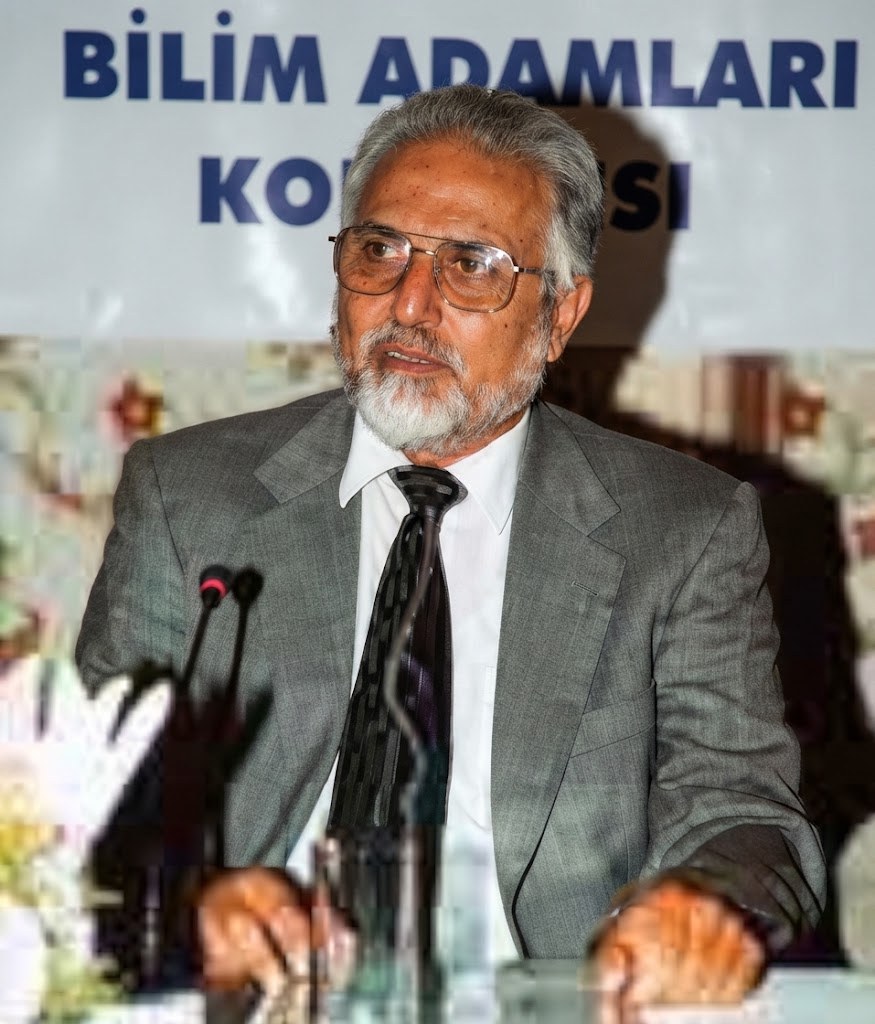
Kenneth Cumming
Prof. Kenneth Cumming, of world renown in the fields of biochemistry and paleontology at the Institute for Creation Research in the USA, expressed as follows that he is opposed to the theory of evolution and believes in the existence of God:
"I think that on this subject a great deal of evidence has proven the worthlessness of the theory. The evidence put forward under the name of evolution must be refuted, and the aim must be to do away with evolutionist thinking. Everything we see around us, with all its variations, is part of creation, and all of it was created by God, the Possessor of a very superior and absolute intellect."126
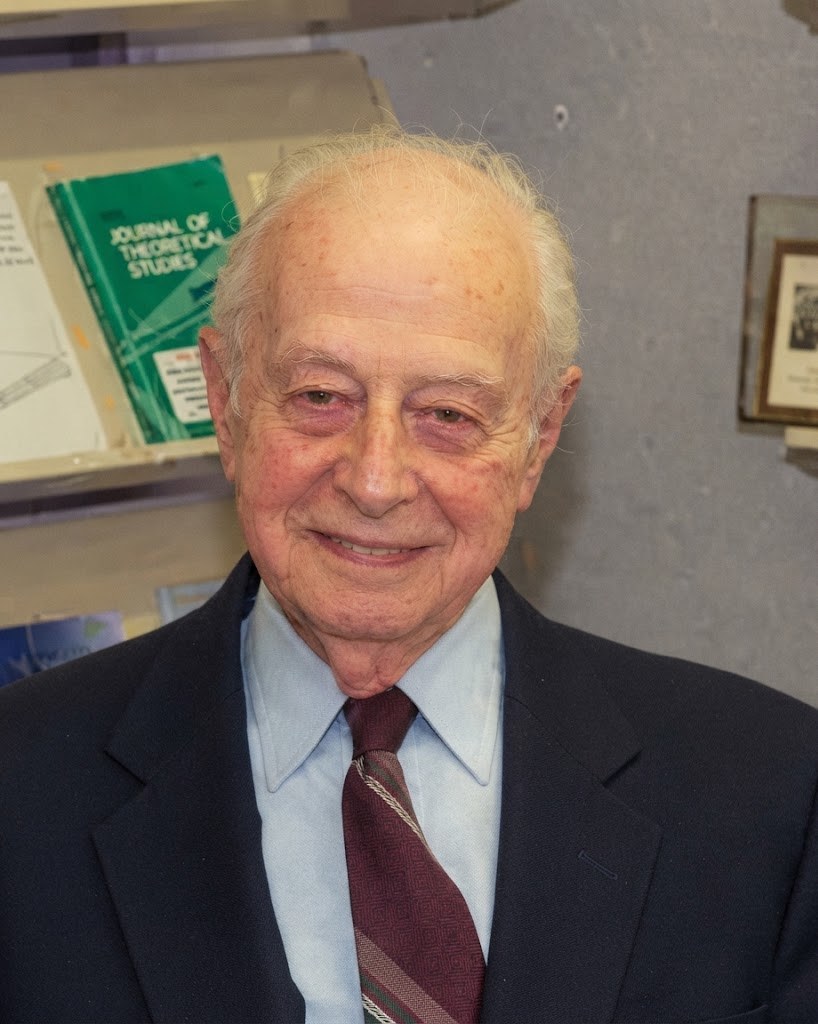
Carl Fliermans
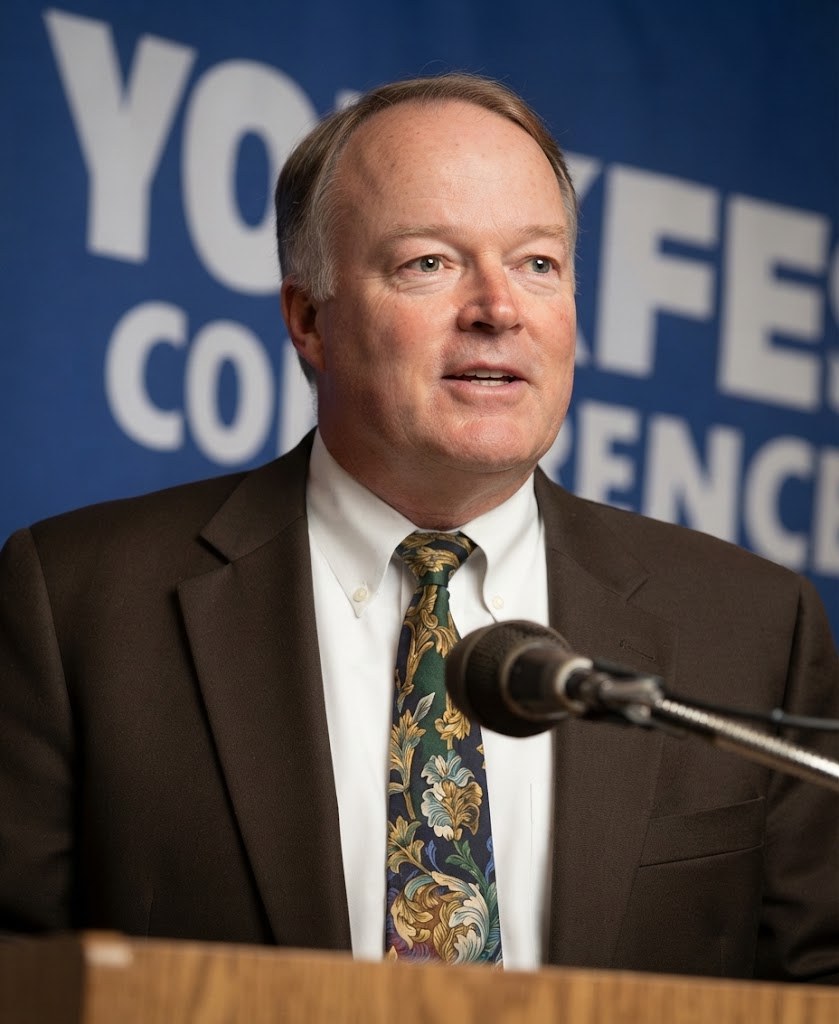
Fliermans, regarded as one of the best-known scientists in the USA today, is professor of microbiology at Indiana University. Prof. Fliermans, who carries out research with the support of the American Department of Defense on "the neutralisation of chemical wastes by means of bacteria", expressed his faith in God as follows in the speech he gave at the conference entitled "The Collapse of the Theory of Evolution: The Fact of Creation", in which he took part in Istanbul, and in which he demolished the claims of the evolutionists in the field of biochemistry:
Modern biology proves that living things never came about through evolution, and points to God's superior creation.
David Menton
"I have been studying the anatomy of living things for 30 years. The truth I have encountered in every piece of research has been God's flawless creation,"127 – with these words
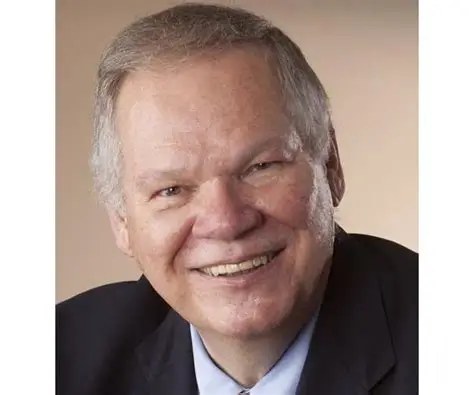
Prof. David Menton, who voices his faith in God, is professor of anatomy at Washington University.
John Morris

The famous geologist Prof. John Morris is the head of the influential ICR (Institute for Creation Research), to which scientists who defend Creation in the USA belong. In a speech Morris stated his faith in God and that the theory of evolution has been overthrown by science as follows:
"We, as professional scientists holding doctoral degrees, are religious and believe in God; we sincerely believe that God is the Creator. It is God Who is the Creator, Who rules over our lives and to Whom we must submit. We owe our lives to Him and we are obliged to earn God's good pleasure."128
Arthur Peacocke
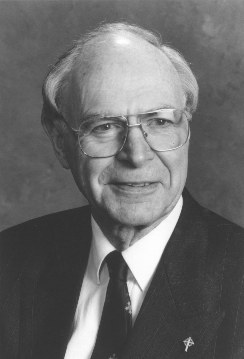
Arthur Peacocke, one of the well-known biochemists of our time and at the same time director of the Ian Ramsey Centre at Oxford University, voices his belief in God as follows:
"God creates and is present at every moment of the time of the created world; God transcends past, future and present; God is eternal, for there is no time at which He did not exist, and there will be no time in the future at which He will not exist."129
Albert McCombs Winchester
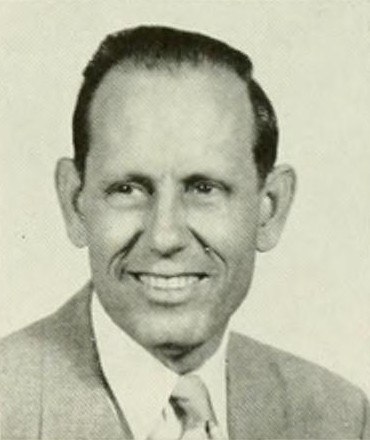
Prof. Winchester, who completed his doctorate at the University of Texas, became professor of biology at Baylor University and was for a time president of the Florida Academy of Sciences, stated in these words that his scientific work strengthened his faith in God:
"As someone who has worked in different fields of science and devoted many years to this path, I state in all sincerity that I have encountered nothing in the world of science that would shake my faith in God. My scientific work strengthens my faith in God even further and makes it sounder and firmer than before."130
Mehdi Golshani
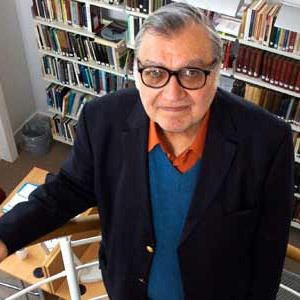
Mehdi Golshani, professor of physics at Sharif University in Tehran, expressed in these words, in an interview published in the magazine Newsweek, his faith in God and the fact that scientific research forms a unity with religion:
"Natural phenomena are God's signs in the universe, and studying them is almost a religious duty. The Qur'an conveys to people the verse 'travel about the earth and see how I began creation'. Research is 'an act of worship, in that it reveals more of the perfections of God's creation.'"131
Edwin Fast
Prof. Fast, who defended his doctoral thesis at the University of Oklahoma and worked as an associate member of the physics faculty of the same university, maintains that it is never possible for atoms, the building blocks of matter, to combine by themselves and form the entire universe and living things, and he voices his belief in the existence of God in these words:
"Man ultimately comes to the conclusion that the 'laws of nature', which show the order in the universe, are evidence of a Superior Intellect that wills the universe to function as we see it. The cause that intelligently created the particles also determined what properties they would have."132
Charles H. Townes
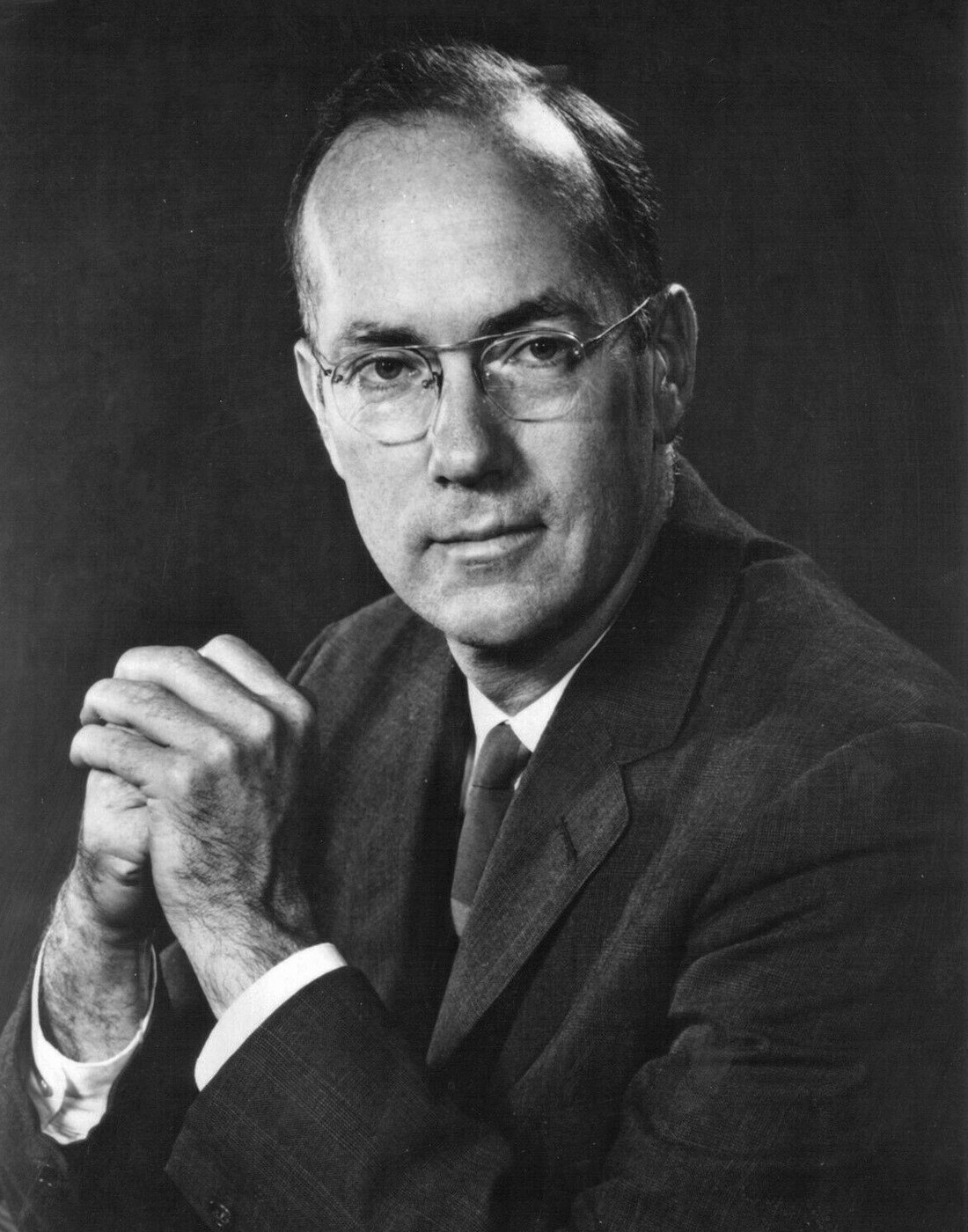
Townes, who invented the laser, continues his research at the University of California, Berkeley. Townes expressed his faith in God in these words:
"As a religious person, I strongly sense the presence and actions of a creative Being."133
John Polkinghorne
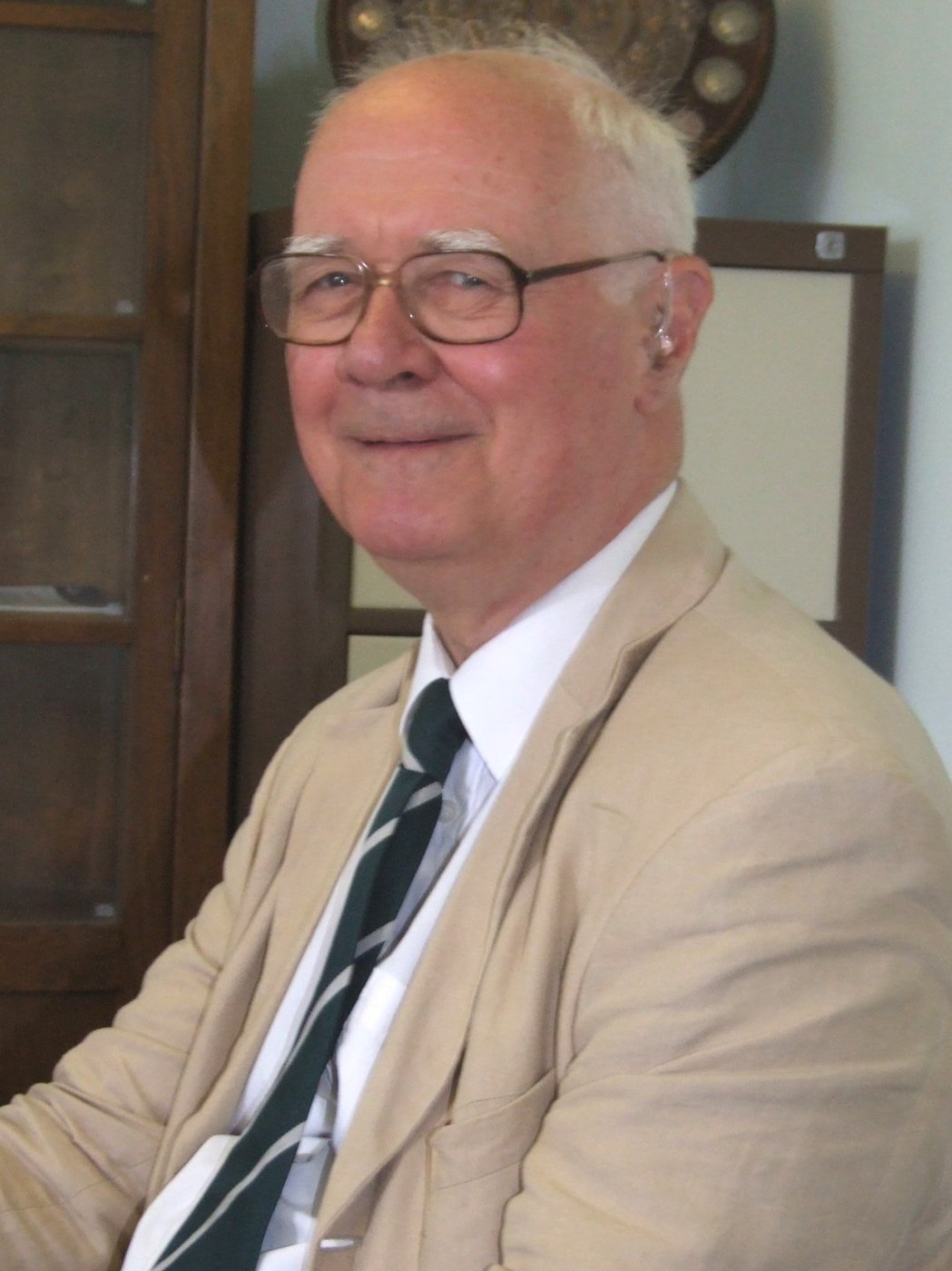
The physicist John Polkinghorne, known at Cambridge University as a specialist especially in the field of atomic physics, said these words concerning belief in God in an interview he gave to the magazine Newsweek:
"When you realise that the laws of nature must be incredibly finely tuned to produce the universe we see, that conspires to plant the idea that the universe did not just happen, but that there must be a purpose behind it... For me, the most fundamental factor in belief in God is that there is a mind and a purpose behind the universe..."134
Hugh Ross

The famous American astrophysicist Hugh Ross, professor of physics at the University of Toronto, is the head of the creationist organisation called Reasons to Believe. He has many well-known books dealing with the relationship between cosmology and creation. Examples of these are the books The Creator and the Cosmos, Creation and Time and Beyond the Cosmos. We give a few of Ross's statements defending the view that the universe was created by a Creator as examples:
"If time and matter came into being with the explosion, then the cause that brought the universe into being must be entirely independent of the time and space in the universe. This shows us that the Creator is above all the dimensions of the universe."135 "An intelligent and superior Creator brought the universe into being from nothing. An intelligent and superior Creator designed the universe. An intelligent and superior Creator designed the planet Earth, and again an intelligent and superior Creator ordered life."136
Duane Gish
Duane Gish, professor of biochemistry at the University of California, is a scientist known for being a man of faith and for his struggle against the theory of evolution. Through his participation in international conferences devoted to the groundlessness of the theory of evolution and his debates with leading evolutionists, Gish has caused his name to be frequently mentioned in the world of science. In 1998 Gish took part 3 times as a speaker in the conferences entitled "The Collapse of the Theory of Evolution: The Fact of Creation" organised in Turkey. One of Gish's speeches expressing that the theory of evolution is a theory that has collapsed, and his firm belief in creation, is as follows:
"The theory of evolution has now reached the point of death. The idea of creation, on the other hand, is explained by sound evidence. Thousands of scientists find the idea of creation more convincing. This number grows day by day."137

Pierre Gunnar Jerlström
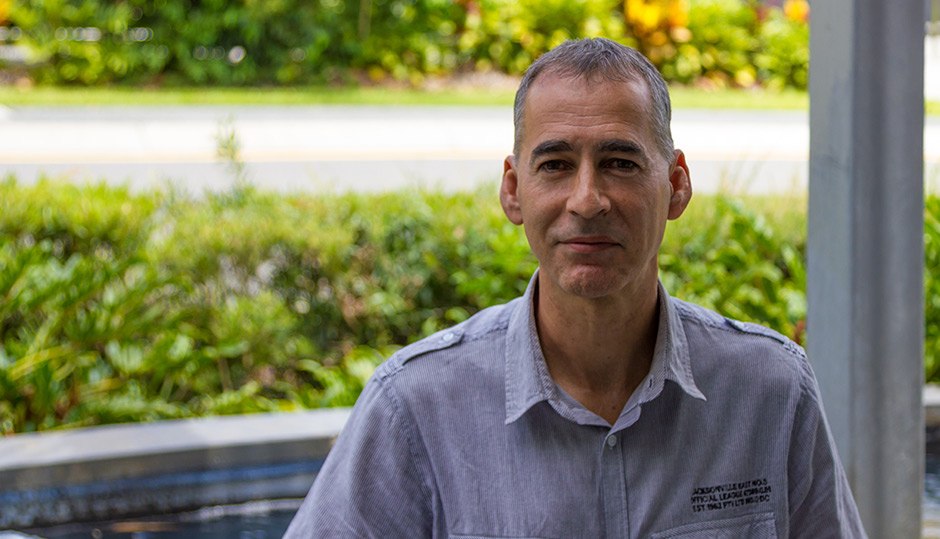
Jerlström, professor of molecular biology at Griffith University, has carried out a great deal of research in his field and has been deemed worthy of a scientific award for his research. Jerlström, whose articles are published in various scientific journals, is a scientist who believes in creation.138
Stephen Grocott

Grocott, a specialist in organometallic chemistry at the University of Western Australia, has for years carried out very wide-ranging research in the fields of analytical and industrial chemistry. Grocott, who has written many articles in this field, was formerly an evolutionist scientist, but in the face of the clear evidence of creation he gave up the theory of evolution and came to believe in Creation. Grocott has taken part as a speaker in many events concerning the evidence of creation.139
Dmitri Kouznetsov
The Russian scientist Kouznetsov, who says that many scientists have come to believe in God and religion in the face of the scientific truths they have seen, is also known for the scientific debates he has held with evolutionists.140
Emil Silvestru
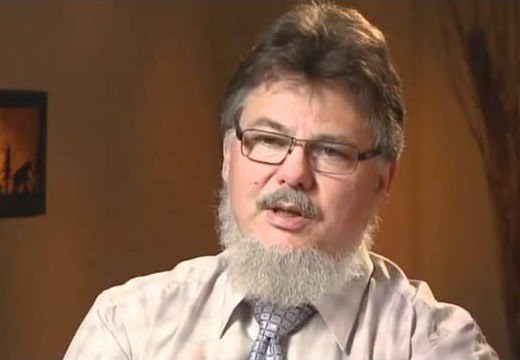
Silvestru, assistant professor at Babeş-Bolyai University in Romania, is a scientist known worldwide in the field of cave geology. Silvestru, whose scientific writings are published in international academic journals and who heads the world's first institute of speleology, is one of the scientists who support creation.141
André Eggen
The geneticist André Eggen, known for his wide-ranging research in the field of animal genetics, currently continues his scientific research for the French government. Eggen is a scientist who believes in the truth of creation.142
Ian Macreadie
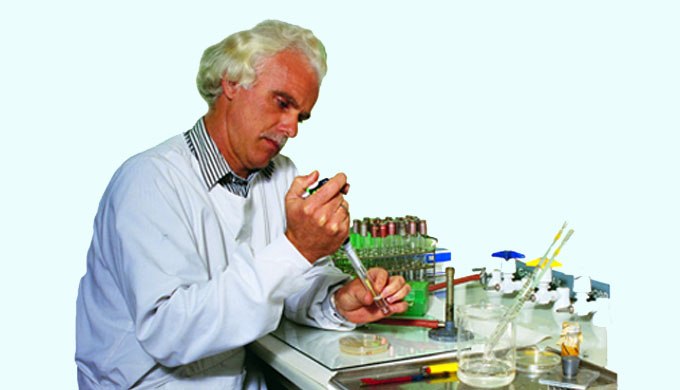
Macreadie is a famous scientist who has carried out very important research in the fields of molecular biology and microbiology. With more than 60 research projects, Macreadie is a principal research scientist at the Biomolecular Research Institute of Australia's Commonwealth Scientific and Industrial Research Organisation. This valuable scientist, who believes in creation, has also been awarded the prize of the Australian Society for Microbiology.143
Andrew Conway Ivy
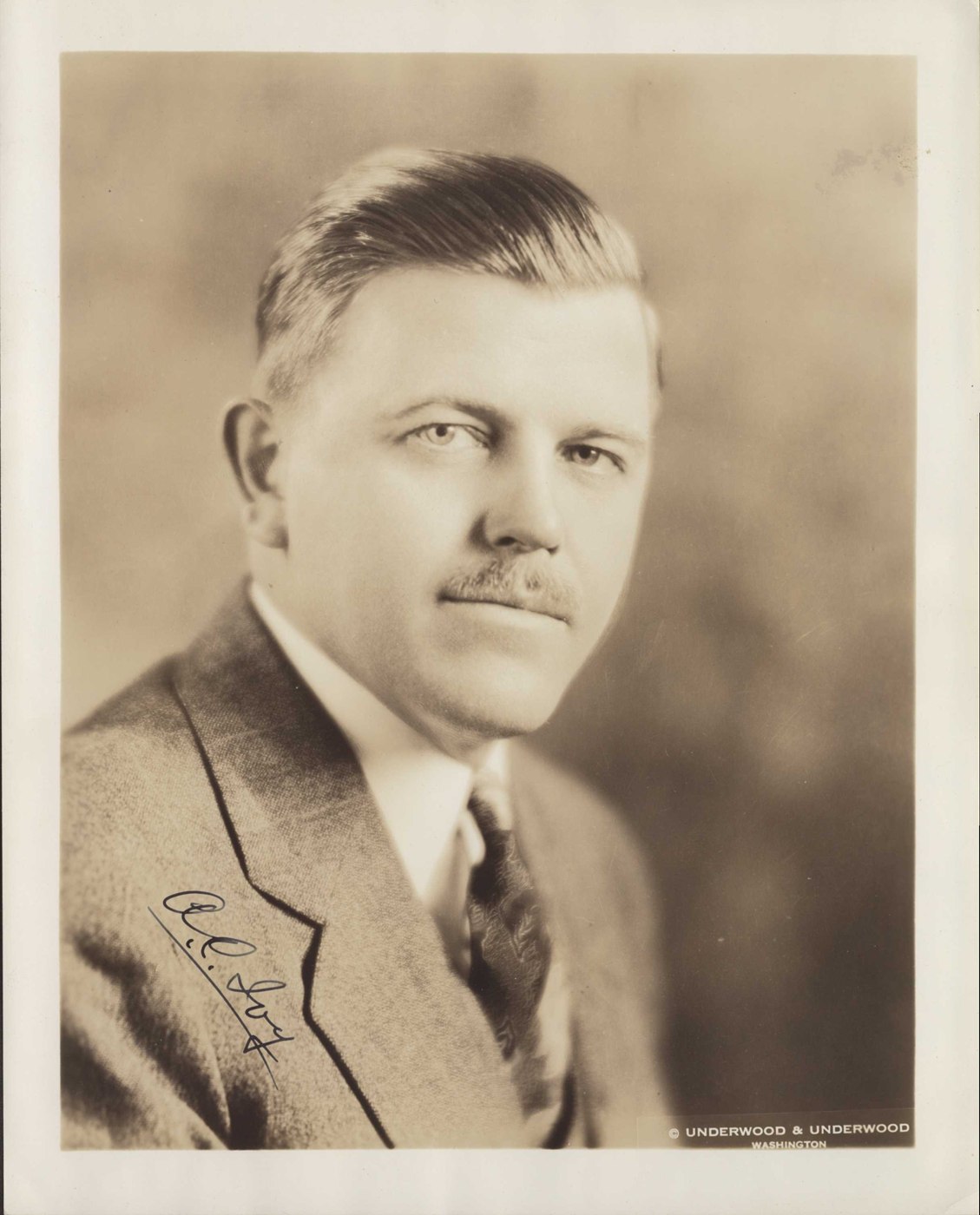
Andrew Ivy, regarded as one of the world's famous physiologists, headed the departments of physiology and pharmacology at the Medical School of Northwestern University between 1925 and 1946. Prof. Ivy, who between 1946 and 1953 worked as professor and vice-dean at the medical school of the University of Illinois in Chicago, later moved to the post of professor of physiology and head of the Clinical Department at the same university. Ivy, who answered the question "Is there a Creator Who created the universe?" with the words "Yes, I believe in His existence", explained his faith in God in these words:
"I believe in the existence of God as I believe in my own existence and in the existence of the thing I touch with my hand. Without doubt, my belief in the existence of God is the highest and only way of thinking that gives meaning to the world of beings. Faith in God gives the being called man a greater meaning than that of a heap of matter and energy. Faith in the existence of God is the source of the highest and most humane thoughts about love."144
Raymond Jones
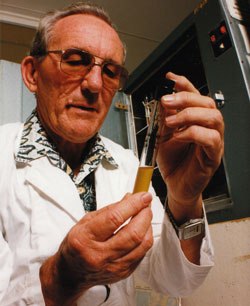
Jones, a research scientist who served for years at Australia's Commonwealth Scientific and Industrial Research Organisation (CSIRO), is known for solving the problem in agriculture called "Leucaena" and thereby earning the Australian farming industry millions of dollars. Jones is a scientist who believes in creation.145
Jules H. Poirier
Poirier, a design specialist in the field of electronics, works in the field of designing high-powered defence and space projects for the American government. Poirier's designs, who has worked in the fields of electronics engineering, physics and mathematics at the University of California, have been used in many American space and defence programmes. In the face of the examples of superior intelligence he saw in living things, Poirier came to the conclusion that they were created by a Creator. On this subject Poirier wrote his book From Darkness to Light to Flight: Monarch – the Miracle Butterfly, based on the incredible examples of design in monarch butterflies.146
Michael J. Behe
One of the most famous scientists who maintain that the universe and all living things are the product of an intelligent order is Michael J. Behe. Behe is professor of biochemistry at Lehigh University in Pennsylvania. Behe, many of whose articles have been published in famous newspapers such as The New York Times and the Boston Review, is the author of the book Darwin's Black Box.
This book, which proves that the theory of evolution is a theory impossible to accept from a biological point of view, has been printed more than 80 times internationally.

Behe proves the impossibility of the theory of evolution with a concept he calls "irreducible complexity". According to this idea, many organs present in living bodies function through many different parts working together and in harmony with one another. If one part loses its ability to function, this may affect the entire organism and cause the loss of living functions. Therefore there cannot be a creation by chance or in stages.
Michael Behe says in his book Darwin's Black Box:
"They were not arranged by the laws of nature as a result of chance or according to a need; in fact, they were planned in advance. The designer knows best what the final state of the systems will be; therefore every step by which the systems will be formed has also been planned.
Life on earth, too, from its simplest example to its most vital parts, is the result of this intelligent design. The conclusion of intelligent design in fact contains within itself all of its own reality. No logic or science based on a new principle is needed to understand that biochemical systems are the work of an intelligent designer. The work carried out in the field of biochemistry over the last forty years is already enough to see this truth, and what has been brought to light consists of elements we encounter in our everyday lives.147
Phillip Johnson
Johnson, professor of law at the University of California, Berkeley, has carried out a great deal of research targeting the ideological aspects of the theory of evolution. On this subject Johnson is the author of three books, Darwin on Trial, Reason in the Balance and Objections Sustained, and in addition of 3 books on criminal law and many articles.
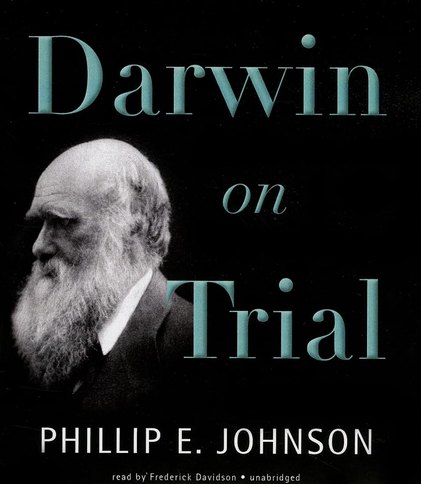
Johnson, known for his continuous struggle against the theory of evolution, is at the same time a scientist with faith in God. Some of the sentences in which Johnson expresses his faith in God are as follows:
"... I want to continue to challenge materialist evolution. Let us unite around the Creator."148
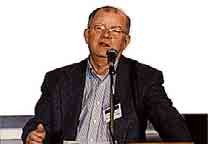
Charles Birch
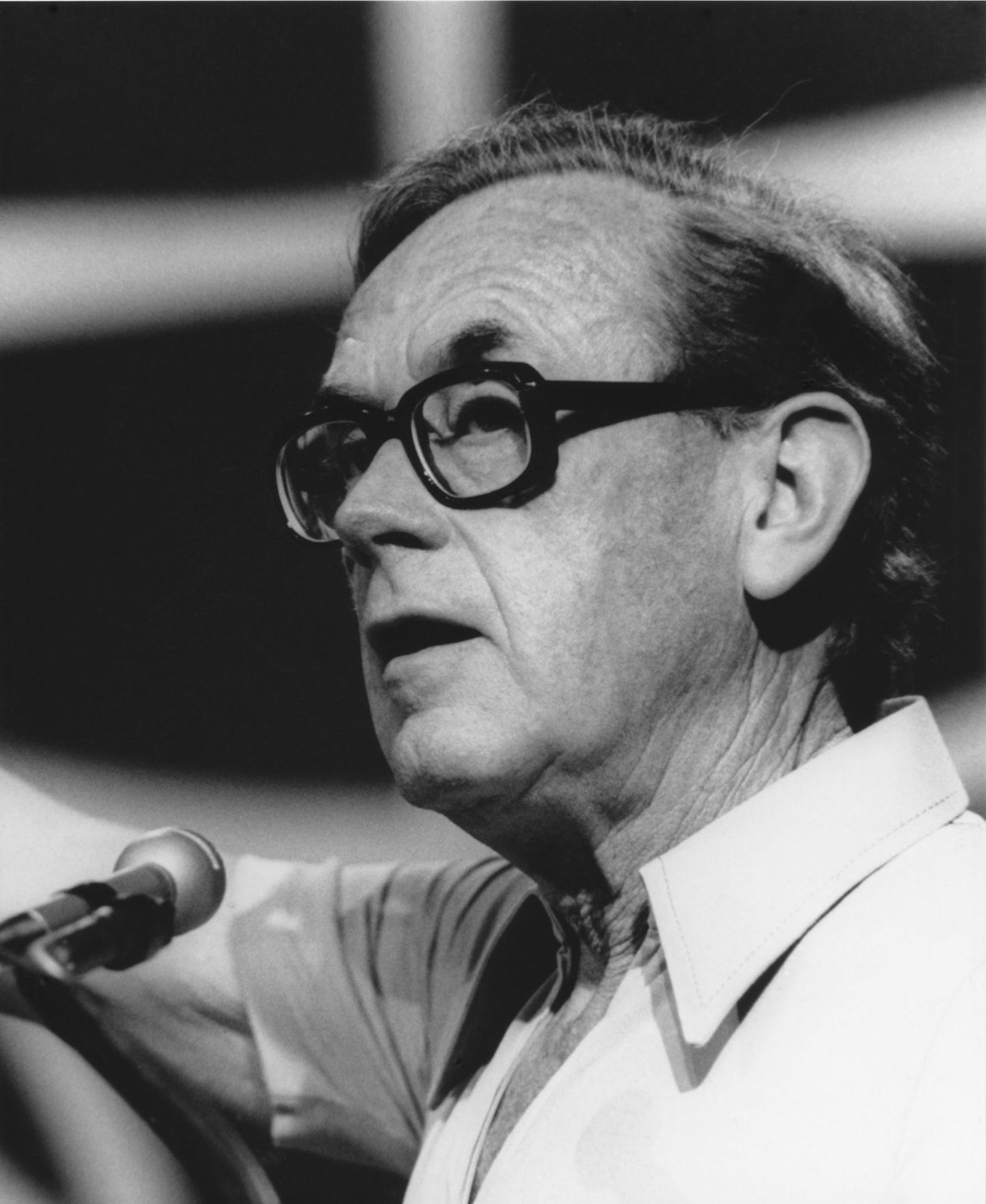
Birch, one of the professors of the University of Sydney in Australia, is a scientist known for his belief in creation. In 1990 he received the "Templeton Prize for Progress in Religion", awarded to scientists who have made various contributions to religion. Birch expressed his faith in God in these words:
"...God, the source of all values, is nearer to man than his hands and his breathing. The existence of God is real."149
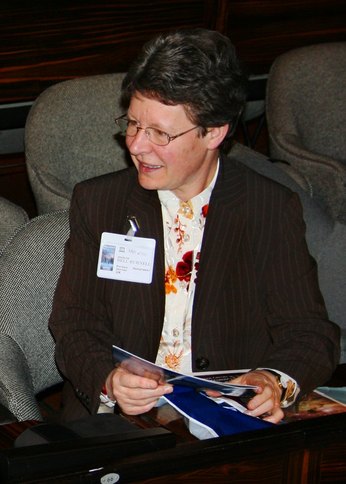
S. Jocelyn Bell Burnell
Burnell, professor of physics and head of the physics faculty at the Open University in England, is at the same time one of the astronomers who discovered pulsars. Burnell, who believes in God, expressed her faith as follows:
"... I believe in God, Who is mighty and aware of all things, and at the same time protecting and forgiving... I am certain that there is one God..."151
Owen Gingerich
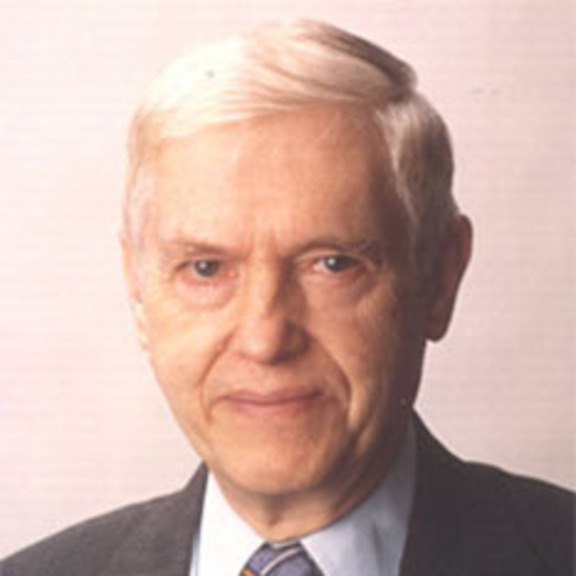
Gingerich, professor of astronomy and of the history of science at the Harvard-Smithsonian Center for Astrophysics, is a scientist who believes in God. Gingerich expressed his religious feelings in these words:
"... I believe in God, the Possessor of a Superior Intellect, Who planned and governs the creation of the universe... I believe that the creation of humanity is a fundamental principle of the universe, and that humanity was created as a manifestation of God, especially with consciousness, conscience and the moral freedom to distinguish right from wrong."152
Carl Friedrich von Weizsäcker
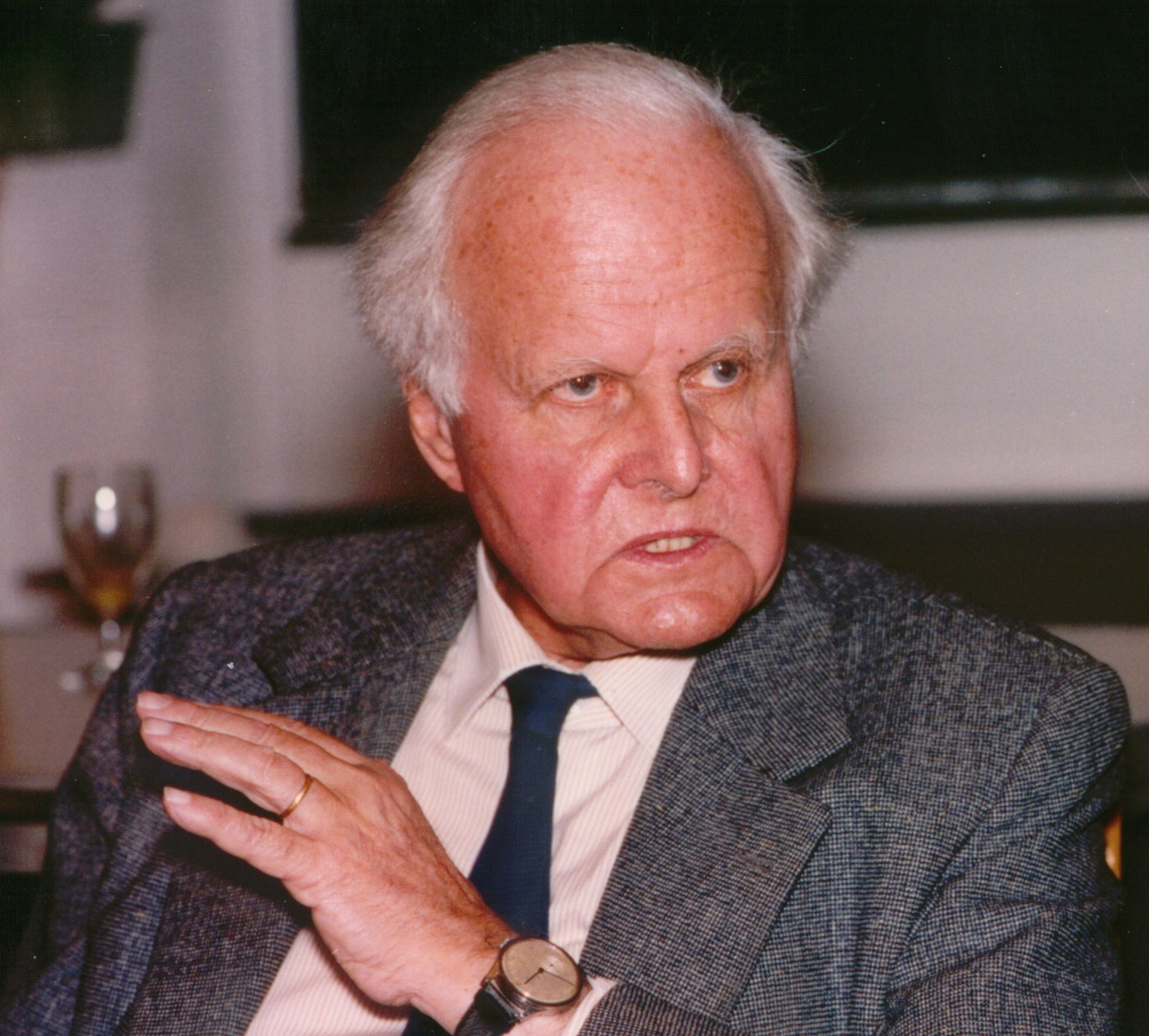
Weizsäcker, professor of physics and philosophy at the Max-Planck-Gesellschaft in Germany, expressed his faith in God in these words:
"... On a beautiful starry night in the Jura mountains of Switzerland I became certain of two things: God was here, and each of the stars was, as physics teaches us today, a mass of gas."153
David Berlinski
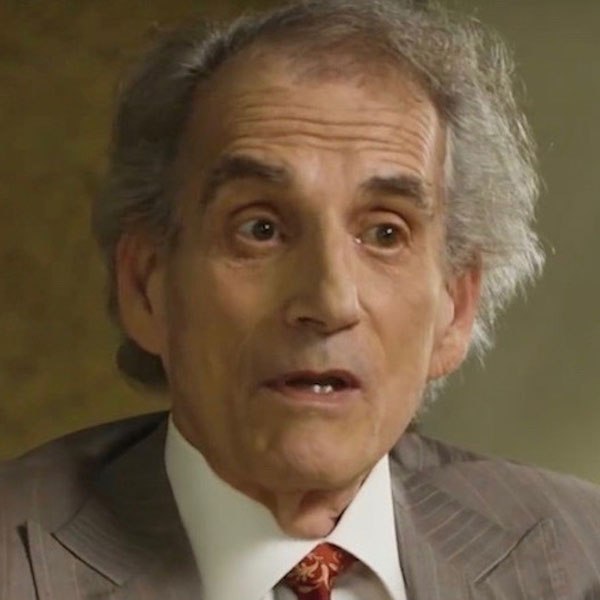
Berlinski, professor of mathematics at Princeton University, has defended the idea that living things did not undergo evolution but, on the contrary, are the product of an intelligent design. In many of his speeches Berlinski has stated that the owner of this design is God. We can give the following examples of his words voicing these thoughts:
"... The structure of life is complex, and complex structures are made by careful design. Intelligence is needed even to make a thimble: why then should the things that have come about in life have come about in a different way?"154 "Molecular biology shows that all living things were created by God."155
William Lane Craig

Craig, professor of philosophy at the University of Birmingham and of theology at the Ludwig Maximilian University in Munich, believes that the universe was created from nothing by God for a definite purpose. In this connection Craig has said:
"There is a cause of the existence of the universe. I believe that the cause of the universe is a single Creator. Otherwise how could a transient effect come about from an eternal cause?... It is known in both the philosophical and the scientific field that the universe had a beginning. Anything that exists has causes of its existence. This cause is uncaused, eternal, unchanging, timeless and immaterial, and it has a free will. In conclusion, I believe that it is reasonable to believe in the existence of God."156 "Indeed, given the truth of the maxim 'out of nothing, nothing comes', the 'Big Bang' requires a supernatural cause. Since the initial singularity represents the terminus of all spacetime concepts, there cannot be any physical cause of the 'Big Bang'. Rather, the cause of the 'Big Bang' must transcend physical space and time altogether, be entirely independent of the universe, and be powerful to a degree the mind cannot conceive. Moreover, this cause must be a conscious being endowed with its own free will... The cause of the origin of the universe is therefore the Creator Who, a finite time ago, brought the universe into existence purely by His own will."157
Kurt Wise
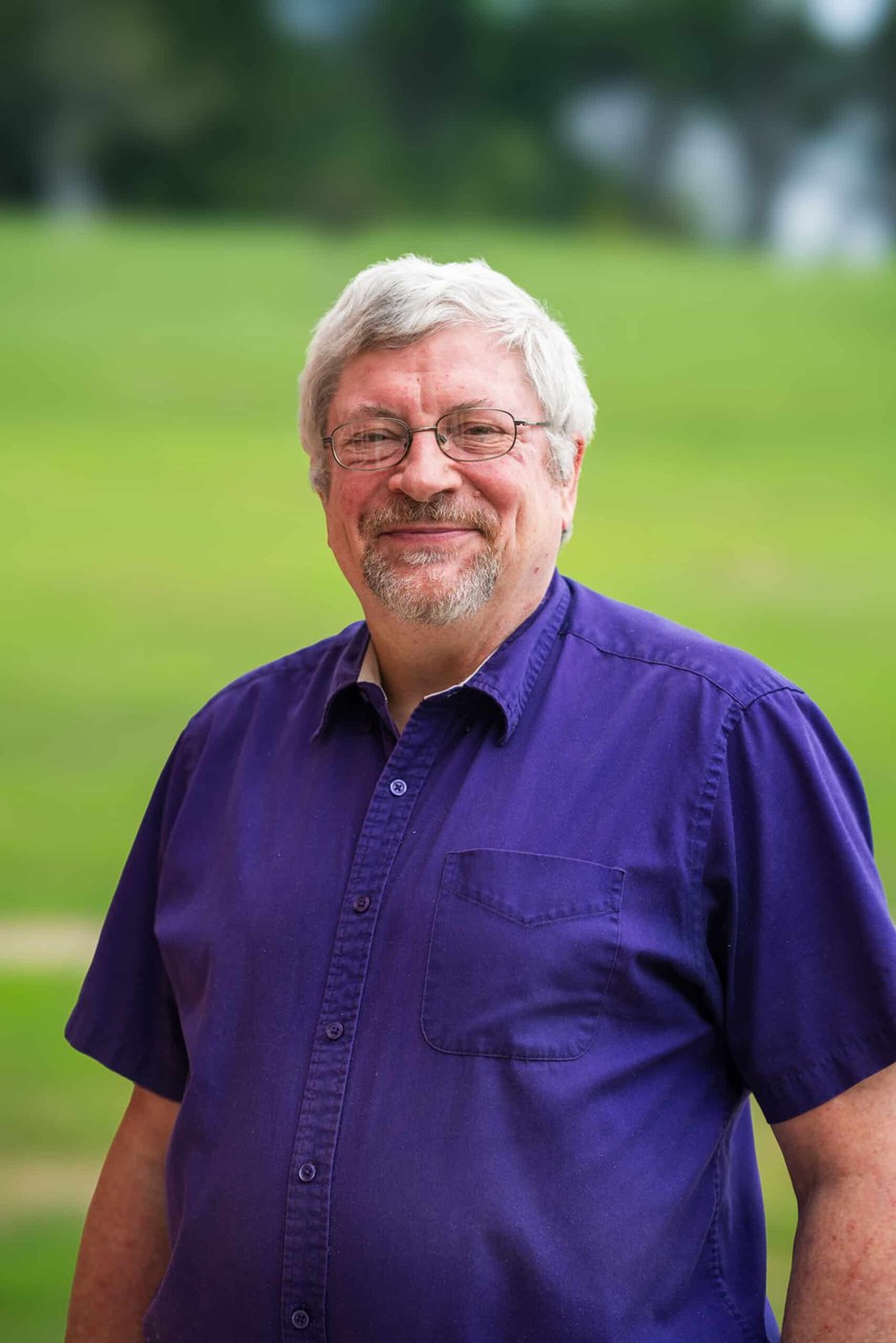
The paleontologist Kurt Wise, assistant professor in the Faculty of Mathematics and Natural Science at Bryan College, is known for his opposition to the theory of evolution and his strong faith in God. Wise voiced his faith in God in these words:
"Creation is not a theory. God's creation of the universe is not a theory, it is the truth itself..."158
Sigrid Hartwig-Scherer

Scherer, professor of anthropology at the University of Zurich, is the author of the book Ramapithecus – Ancestor of Man? Scherer, who in her work has proven that fossils have bankrupted the theory of evolution and that apes are not the ancestors of human beings, is of the conviction that living things are the work of a Creator.159
J. P. Moreland

Moreland, professor of philosophy at the University of Southern California, is a believing scientist and the author of the books Christianity and the Nature of Science and The Creation Hypothesis.160
Paul A. Nelson

Nelson, professor of the philosophy of biology at the University of Chicago, is one of the scientists who support the idea that living things are the product of an intelligent design.161
Jonathan Wells
Wells, professor of Religious Studies at Yale University and of molecular and cell biology at the University of California, Berkeley, is the author of the book Charles Hodge's Critique of Darwinism.
Wells says that the latest advances in science show that living things are the product of a design.162
Don Batten
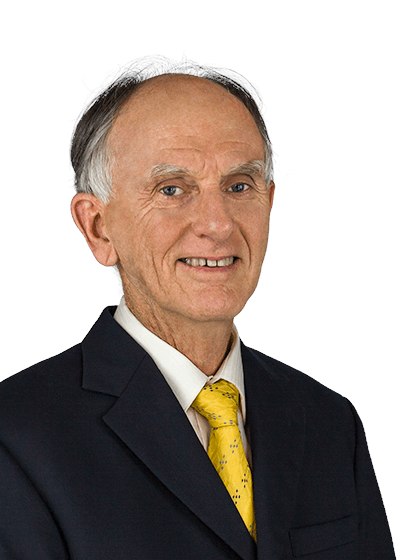
Batten, who has carried out a great deal of research on plant physiology and has been awarded many academic prizes for this research, is a devout scientist who believes in the existence of God. Alongside the scientific work he carries out in his own field, he has published many books and articles dealing with the evidence of creation on earth. In addition, travelling around the world and holding conferences under the title "Creation Answers", he explains to people the evidence of God's creation in a language that non-scientists too can understand. The Australian scientist made his first trip to England in 1995.163
John Baumgardner

Baumgardner, assistant professor in such fields of science as geophysics and space physics at the University of California, despite having received an education built on the theory of evolution, came to reject this theory and accept Creation as a result of the research he carried out on the aspects in which the theory is at a dead end.164
Donald Chittick
Chittick is professor of chemistry at Oregon State University and has been awarded many prizes for his scientific work. Chittick, who believes in creation, has taken part as a speaker in creation seminars devoted to many subjects, such as "The Evidence of Creation" and "Creation and a Simple World".165
Werner Gitt
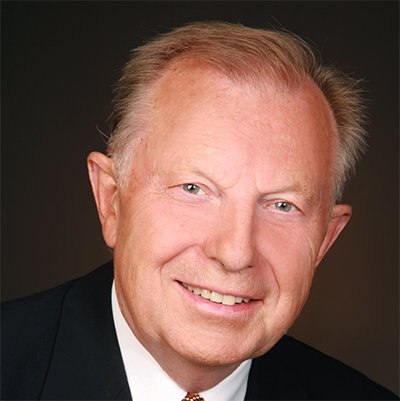
Gitt, professor and director at the German Federal Institute of Physics and Technology, has written many scientific articles on such subjects as informatics, mathematics and control engineering. Gitt, who at the same time believes in Creation, has many books in which he judges the theory of evolution: we may give as examples such books as Did God Use Evolution?, In the Beginning Was Information, Stars and Their Purpose: Signposts in Space and If Animals Could Talk.166
Gary E. Parker

Parker, professor in such fields of science as biology, physiology and geology at Ball State University, was an evolutionist when he began his career. Parker, who gave up the theory of evolution in the face of the powerful scientific evidence of creation, accepted the existence of the Creator. Parker, who has many published books on biology and the science of Creation, currently takes part as a speaker in seminars on creation science.167
Margaret Helder
Helder, a scientist and botanist and head of the Creation Science Association of Alberta, is perhaps the most active among women scientists who believe in creation. She has written many articles dealing with the evidence of creation we see around us.168
Jonathan D. Sarfati

Sarfati, professor of chemistry at Victoria University of Wellington, has been awarded academic prizes for much of the research he has carried out. Sarfati too is one of the scientists who gave up defending the theory of evolution and came to believe in Creation.169
Robert Matthews

Robert Matthews, one of the professors of physics at Oxford University, expressed God's miracle of creation as follows in the book he wrote in 1992:
"All these processes continue in perfect harmony, first from a single cell to a living baby, then to a small child and finally to an adult human being. All these events can be explained, at every stage of biology, only by a miracle. How is it that such a perfect and complex organism should come about from such a simple and tiny cell? How is a magnificent HUMAN BEING created from a cell smaller than the dot over a small letter 'i'? This is nothing short of a miracle."170
Claude Tresmontant
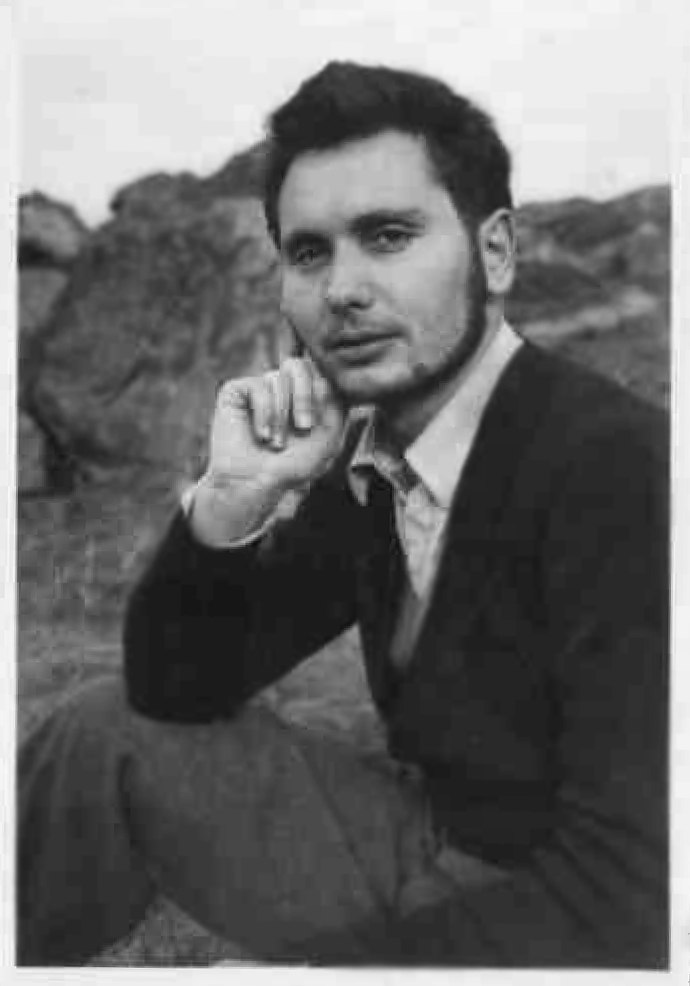
Claude Tresmontant, who works at the University of Paris, stated as follows, in a statement he published in the magazine Réalités, his belief in creation and the impossibility of the world having come about as a result of chance:
"No theory of chance can explain the creation of our world. There is no sense in claiming that living beings were created by chance."171
Don Page
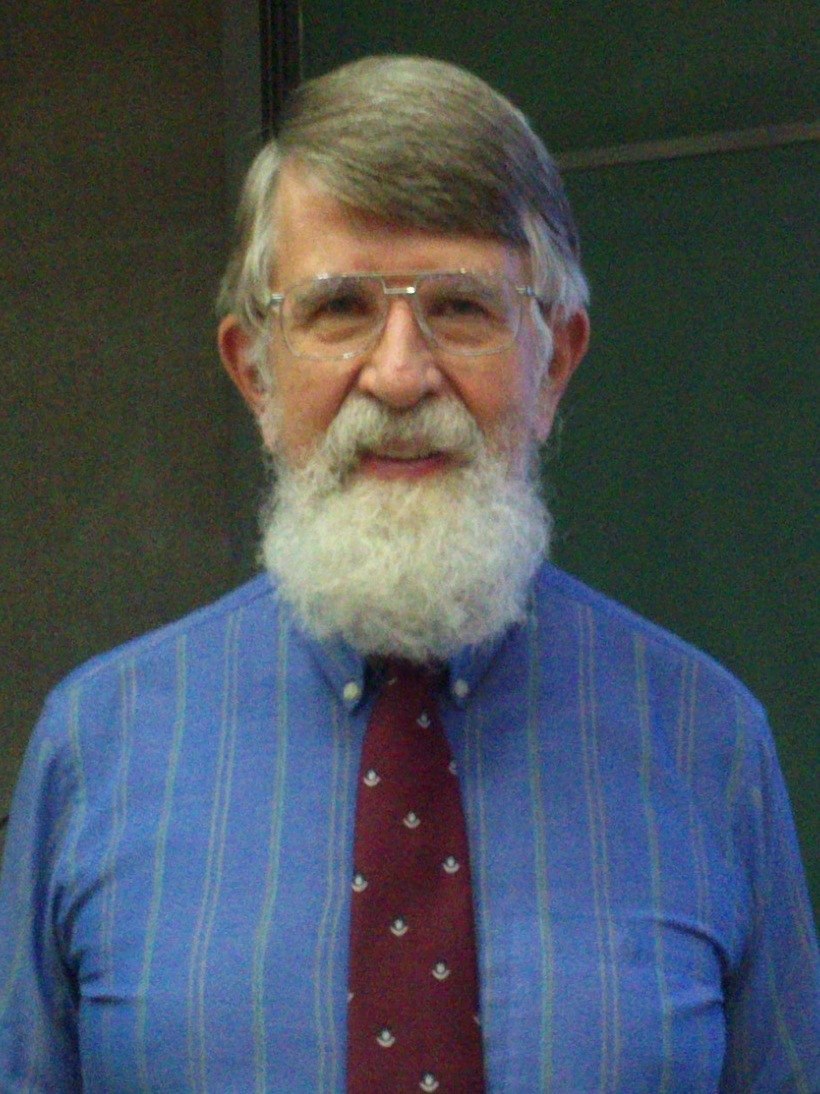
Don Page defended his doctoral thesis on physics and astronomy at the California Institute of Technology in 1976 and worked together with famous scientists. Page believed that understanding the universe would help in understanding God's intellect and power, but that the comprehension of God's intellect and power would not be limited to the universe.172
Andrew Snelling

Snelling, a professor of geology, has taken part in research projects together with well-known research groups such as CSIRO and ANSTO and with many American, British, Japanese and Swiss scientists. His scientific articles setting out the results of this research have been published in many international scientific journals.
Snelling, who has been awarded prizes several times for his services to creation science, has many articles dealing with the examples of creation in living things.173
Carl Wieland

Wieland is a speaker who investigates the scientific evidence of creation. His many articles dealing with the evidence of creation have been published in various international journals.174