How the Process of Photosynthesis Begins in the Morning
When plants undergo photosynthesis, they take in carbon dioxide, a harmful gas that human beings cannot consume, from the air, and give off oxygen instead.
«And [I swear] by the night when it draws in, and by the dawn when it breathes in.»
When plants undergo photosynthesis, they take in carbon dioxide, a harmful gas that human beings cannot consume, from the air, and give off oxygen instead. Oxygen, which we breathe and which is our basic source of life, is the main product of photosynthesis. Some 30% of the oxygen in the atmosphere is produced by plants on land, the remaining 70% being produced by plants and single-celled living things in the seas and oceans.
Photosynthesis is a complex process, and one which scientists have still not yet fully understood. This process cannot be observed with the naked eye, because the mechanism employs atoms and molecules. However, we can see the results of photosynthesis in the oxygen which enables us to breathe, and in the foodstuffs that keep us alive. Photosynthesis is a system which involves complicated chemical formulae and units of weight, and on very small scale, and consisting of the most sensitive equilibriums. There are trillions of chemical laboratories that carry out this process in all the green plants around us. Furthermore, plants have been meeting our oxygen, food and energy needs non-stop for millions of years.
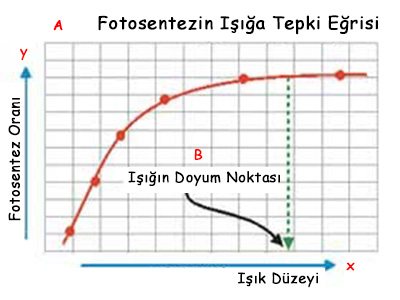
The productivity of photosynthesis is measured by the level of oxygen output. The greatest point is in the morning, when the Sun's rays are most concentrated. At dawn, the leaves begin to sweat, and photosynthesis increases accordingly. In the afternoon, however, the opposite applies; in other words photosynthesis slows down, and respiration increases because as the temperature rises perspiration also increases. At night, as the temperature falls, perspiration declines and the plant rests.
The term " itha tanaffasa " in Surat at-Takwir, in reference to the morning hours, in other words, " when it breathes in, " is a metaphorical reference to breathing, respiration, or breathing deeply. This term particularly emphasises the way that the production of oxygen begins in the morning, and that the greatest levels of oxygen, essential for respiration, are given off at that time. The importance of the phenomena is also emphasised by the way that Allah swears upon it. The way that Allah indicates the action of photosynthesis, among the most important discoveries of the 20th century, in this verse, is another of the scientific miracles of the Qur'an.
The female honeybee and the healing in honey
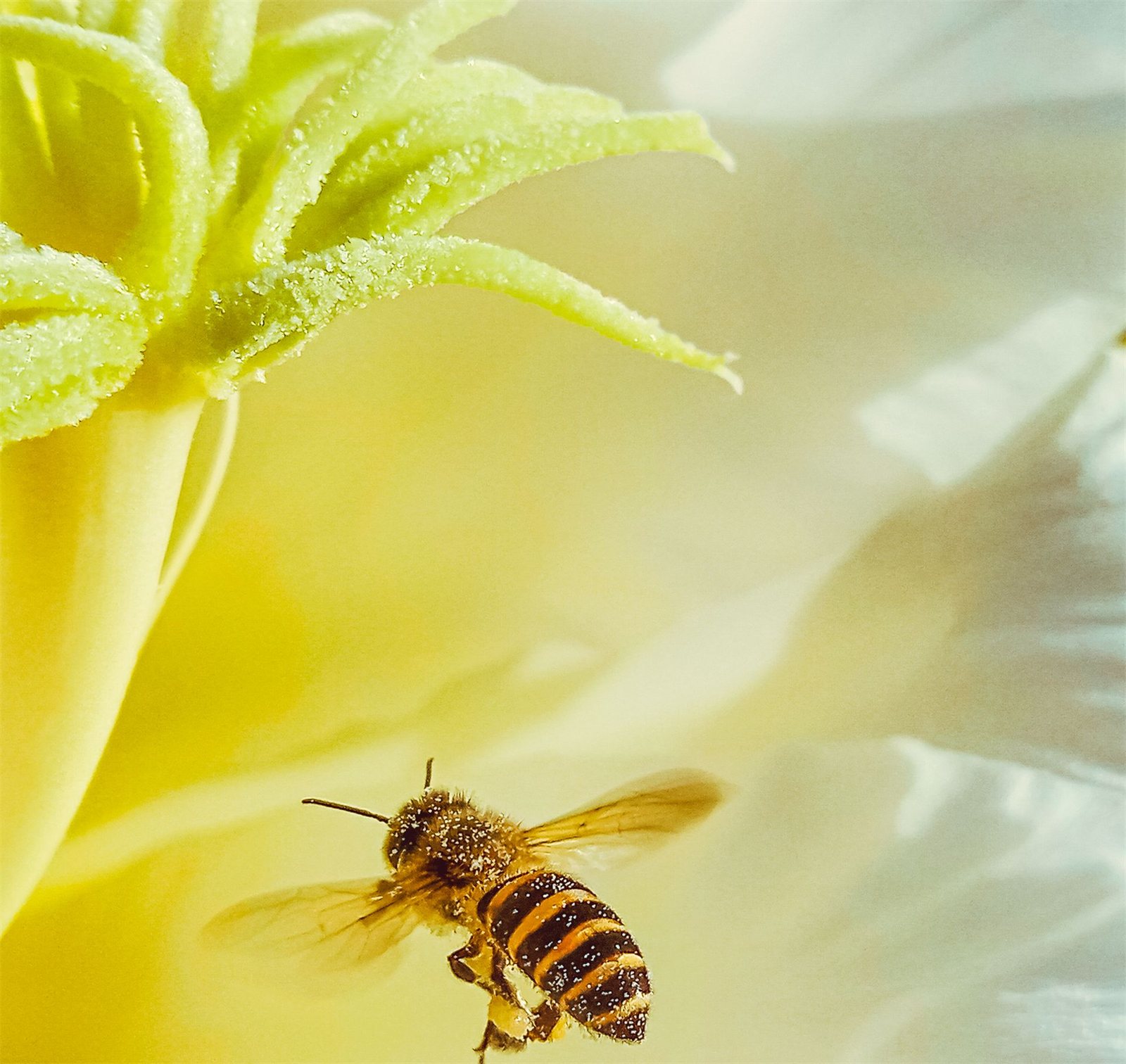
In Surat an-Nahl, the verbs addressed to the honeybee are in the feminine form in Arabic. Science learned only in the 17th century that the worker bees who make honey, build the comb and gather food are all female.
touch the comb to fill it with honey
3 verbs: “take”, “eat”, “follow” — all feminine
1609: worker bees first described as female
7 minutes: for honey mixed with warm water to enter the blood
«Your Lord revealed to the bees:
" Build dwellings in the mountains and the trees, and also in the structures which men erect. Then eat from every kind of fruit and travel the paths of your Lord, which have been made easy for you to follow." From inside them comes a drink of varying colours, containing healing for humanity. There is certainly a sign in that for people who reflect.»
In the honey bee colonies where each of the many bees is assigned a specific task, the only exception is the male honey bee. The males do not contribute to the defence of the hive or its cleaning, to gathering food, or making of the honeycomb and honey. The only function of the male bees in the hive is to inseminate the queen bee.109
Apart from reproductive organs, the males possess almost none of the features possessed by the other bees and it is therefore impossible for them to do anything but fertilise the queen.
The worker bees carry the entire load of the colony. Although they are females like the queen, their ovaries have no maturity. This renders them sterile. They have several duties: cleaning the hive, maintaining the larvae and the young, feeding the queen bee and the males, producing honey, constructing the honeycomb and repairing it, ventilating the hive and safeguarding it, gathering supplies like nectar, pollen, water and resin, and storing these in the hive.
In Arabic, there are two different usages of verbs. By means of the usage, it is possible to determine whether the subject is a female or a male. As a matter of fact, the verbs (italic words) used for the honey bee in the verses are used in the format of the verb for females. Through this, the Qur'an indicates that the honey bees that work in the making of the honey are females.110
We should not forget that it is impossible for this fact to have been known about the honey bees in the time of the Prophet Muhammad. Yet, Allah has pointed at this fact and shown us yet another miracle of the Qur'an.
The Existence of Microscopic Life
The above verses indicate the existence of life forms unknown to people at the time of the revelation of the Qur'an.
«Glory be to Him Who created all the pairs:
from what the earth produces and from themselves and from things unknown to them .»
The above verses indicate the existence of life forms unknown to people at the time of the revelation of the Qur'an. Indeed, with the discovery of the microscope, new living things too small to be seen with the naked eye have also been discovered by man. People have therefore begun to learn about the existence of these life forms, indicated in the Qur'an. Other verses which point to the existence of micro-organisms, which are invisible to the naked eye and generally consist of a single cell, read:
«… He is the Knower of the Unseen, Whom not even the weight of the smallest particle eludes, either in the heavens or in the earth; nor is there anything smaller or larger than that which is not in a Clear Book.»
«… Not even the smallest speck eludes your Lord, either on earth or in heaven. Nor is there anything smaller than that, or larger, which is not in a Clear Book.»
There are 20 times more members of this secret world, which is spread all over the planet, micro-organisms in other words, than there are animals on Earth. These micro-organisms, invisible to the naked eye, comprise bacteria, viruses, fungi, algae and Acarina (mites and ticks). They also constitute an important element in the balance of life on Earth. For example, the nitrogen cycle, one of the fundamental components of the formation of life on Earth, is made possible by bacteria. Root fungi are the most important element in plants being able to take up minerals from the soil. The bacteria on our tongues prevent us being poisoned by food containing nitrates, such as salad stuffs and meat. At the same time, certain bacteria and algae possess the ability to make photosynthesis, the fundamental element in life on Earth, and share that task with plants. Some members of the Acarina family decompose organic substances and turn them into foodstuffs suitable for plants. As we have seen, these tiny life forms, about which we have only learned with modern technological equipment, are essential to human life.
Fourteen centuries ago, the Qur'an indicated the existence of living things beyond those which can be seen with the naked eye. This is another spectacular miracle contained within the verses of the Qur'an.
The Existence of Animal Societies
As a result of modern-day animal and bird ecology study, we know that all animals and birds live in the form of separate societies.
«There is no creature crawling on the Earth or flying creature, flying on its wings, who are not communities just like yourselves…»
As a result of modern-day animal and bird ecology study, we know that all animals and birds live in the form of separate societies. Lengthy and wide-ranging studies have shown that there is a rather systematic social order among animals.
Honey bees, for example, whose social life amazes scientists, build their nests in colonies in tree hollows or other covered areas. A bee colony consists of a queen, a few hundred males and 10-80,000 workers. As we have already mentioned, there is only one queen in every colony and her fundamental task is that of laying eggs. In addition, she secretes important substances which maintain the unity of the colony and allow the system within the hive to function. The males' only function is to fertilise the queen. All other functions-such as building honey combs in the hive, gathering food, creating royal jelly, regulating the temperature of the hive, cleanliness and defence-are carried out by the workers. There is order in every phase of life in the hive. All duties, from caring for the larvae to provision of the general needs of the hive, are performed without fail.
Despite having the greatest numbers in the world, ants also exhibit an order which can serve as an example to human beings in many areas: technology, collective labour, military strategy, an advanced communications network, a hierarchical order, discipline and flawless town planning. Ants live in societies known as colonies and in such order amongst themselves that one could even say that they have a civilisation similar to that of human beings.
As ants produce and store their food, they also watch over their young, defend the colony and wage war against their enemies. There are even colonies which engage in "sewing," "agriculture" and "animal rearing." These animals have a very powerful communications network amongst themselves. Their social organisation and expertise are far superior to any other living thing.
Communal animals with ordered lives also operate together in the face of danger. For instance, when birds of prey such as hawks or owls enter the area, smaller birds surround these birds en masse. They then produce a special sound to draw other birds to the area. The aggressive behaviour displayed by small birds en masse generally drives birds of prey away.111
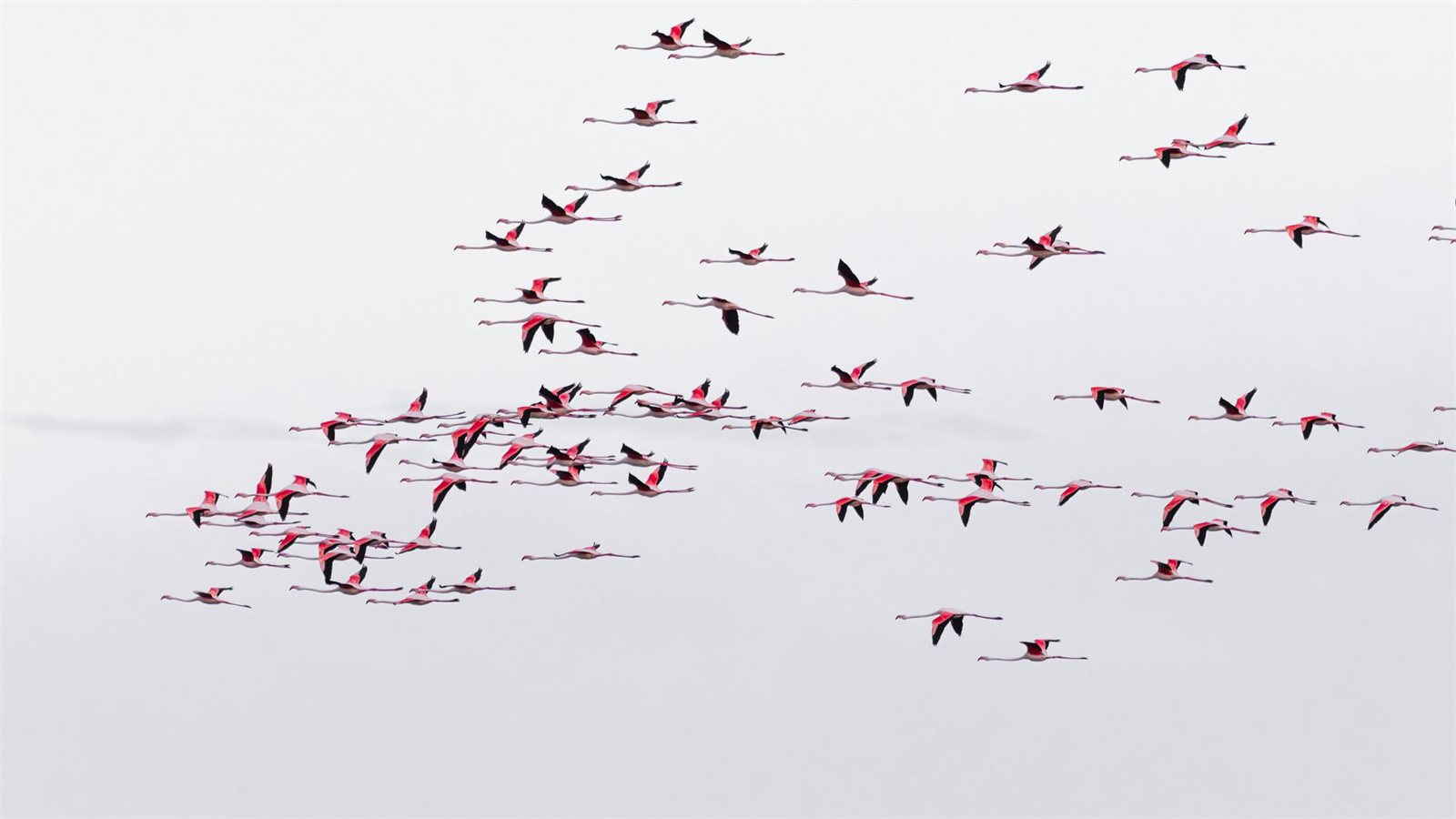
Aflock of birds flying together protects all its members in the same way. For instance, a flock of starlings flying together leave a wide distance between one another. When they see a hawk, however, they close the distance between them. They thus make it harder for the hawk to dive in amidst the flock. Even if the hawk does so, it will be acting to its own detriment. Its wings will be damaged and it will be unable to hunt.112
Mammals also act in consort when there is an attack on the group. For example, zebras take their young into the middle of the herd when they flee from enemies. Dolphins also swim in groups and fight off their greatest enemy, sharks, as a group.113
There are countless examples of and a great many details concerning the social lives of animals. These facts acquired about animals are the result of long years of research. As we have seen, the information about animals given in the Qur'an-as in all areas-shows that the book of Islam is indeed the word of Allah.
Biomimetics: Drawing Inspiration from the Design in Living Things
Before scientists and research and development experts embark on new projects, they usually look for models in living things and imitate their systems and designs.
«There is instruction for you in cattle. From the contents of their bellies, from between the dung and blood, We give you pure milk to drink, easy for drinkers to swallow.»
«And there is certainly a lesson for you in your livestock. We give you to drink from what is in their bellies and there are many ways in which you benefit from them, and some of them you eat; and you are conveyed on them and on ships as well.»
Before scientists and research and development experts embark on new projects, they usually look for models in living things and imitate their systems and designs. In other words, they see and study the designs created in nature by Allah and, inspired by these, go on to develop their own new technologies.
This approach has given birth to biometrics, a new branch of science that seeks to imitate living things. In recent times, this branch of science has come to be widely applied in the world of technology. The use of the word " ibrah ," (to learn from, advice, importance, important thing, or model) in the above verses is most wise in this regard.
Biomimetics refers to all of the substances, equipment, mechanisms, and systems that people produce in order to imitate the systems present in nature. The scientific community currently feels a great need for the use of such equipment, particularly in the fields of nanotechnology, robot technology, artificial intelligence, medicine, and the military.
Biomimicry was first put forward by Janine M. Benyus, a writer and scientific observer from Montana. This concept was later analysed by many other people and began to find applications. Some of the comments made regarding biomimicry are as follows:
David Oakey, product strategist for Interface Inc., a company that uses nature to increasing product quality and productivity, says:
Scientists who began to favour this rapidly spreading idea accelerated their studies by using nature's incomparable and flawless designs as models. These designs represent models for technological research, for they provide the maximum productivity for the least amount of materials and energy, and are self-maintaining, environmentally friendly, silent, aesthetically attractive, resistant, and longlasting. The High Country News described biomimetics as "a scientific movement" and made the following comment:
Janine M. Benyus, who believed that models in nature should be imitated, gave the following examples in her book, Biomimicry: Innovation Inspired by Nature (Perennial: 2002):
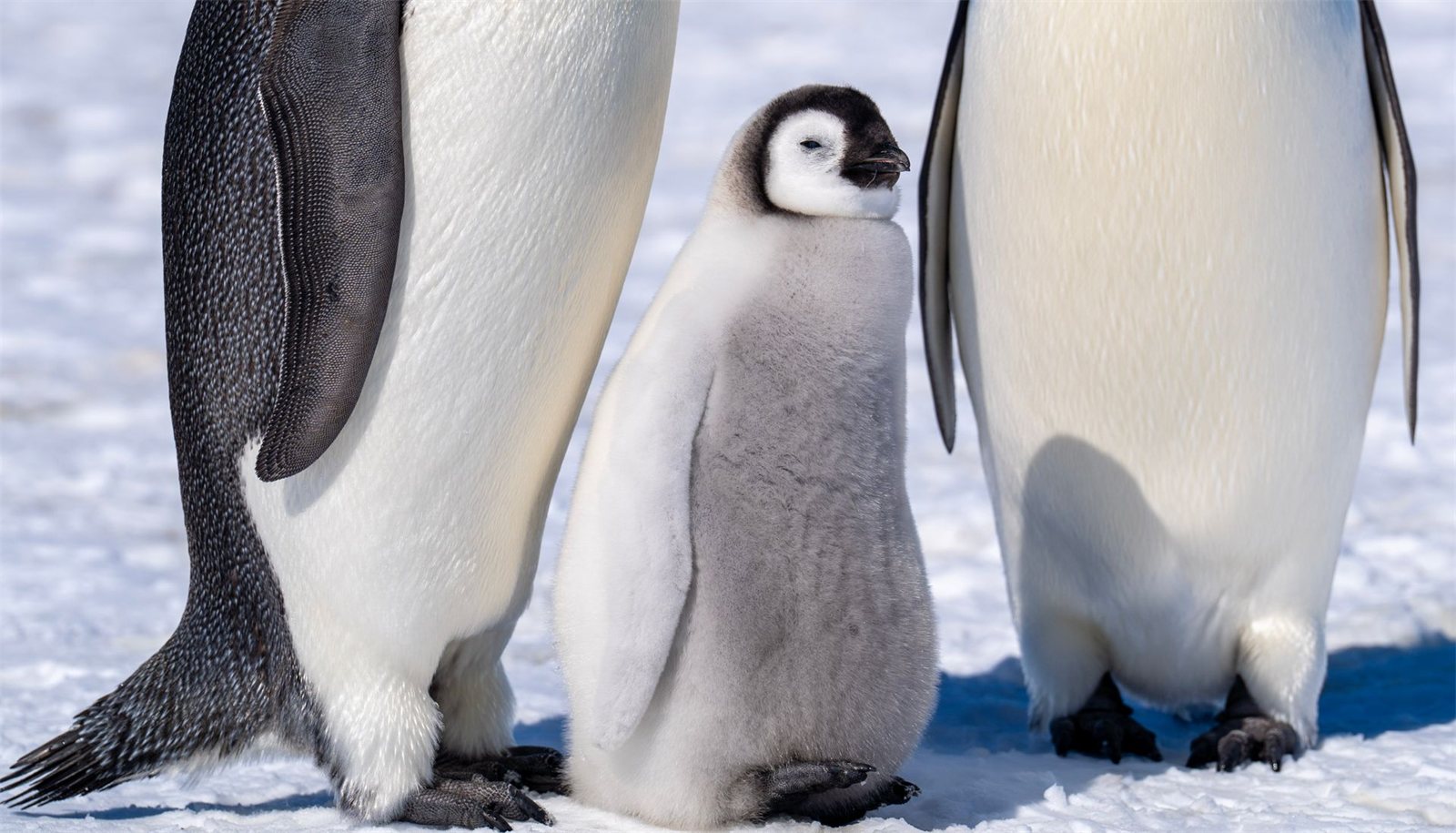
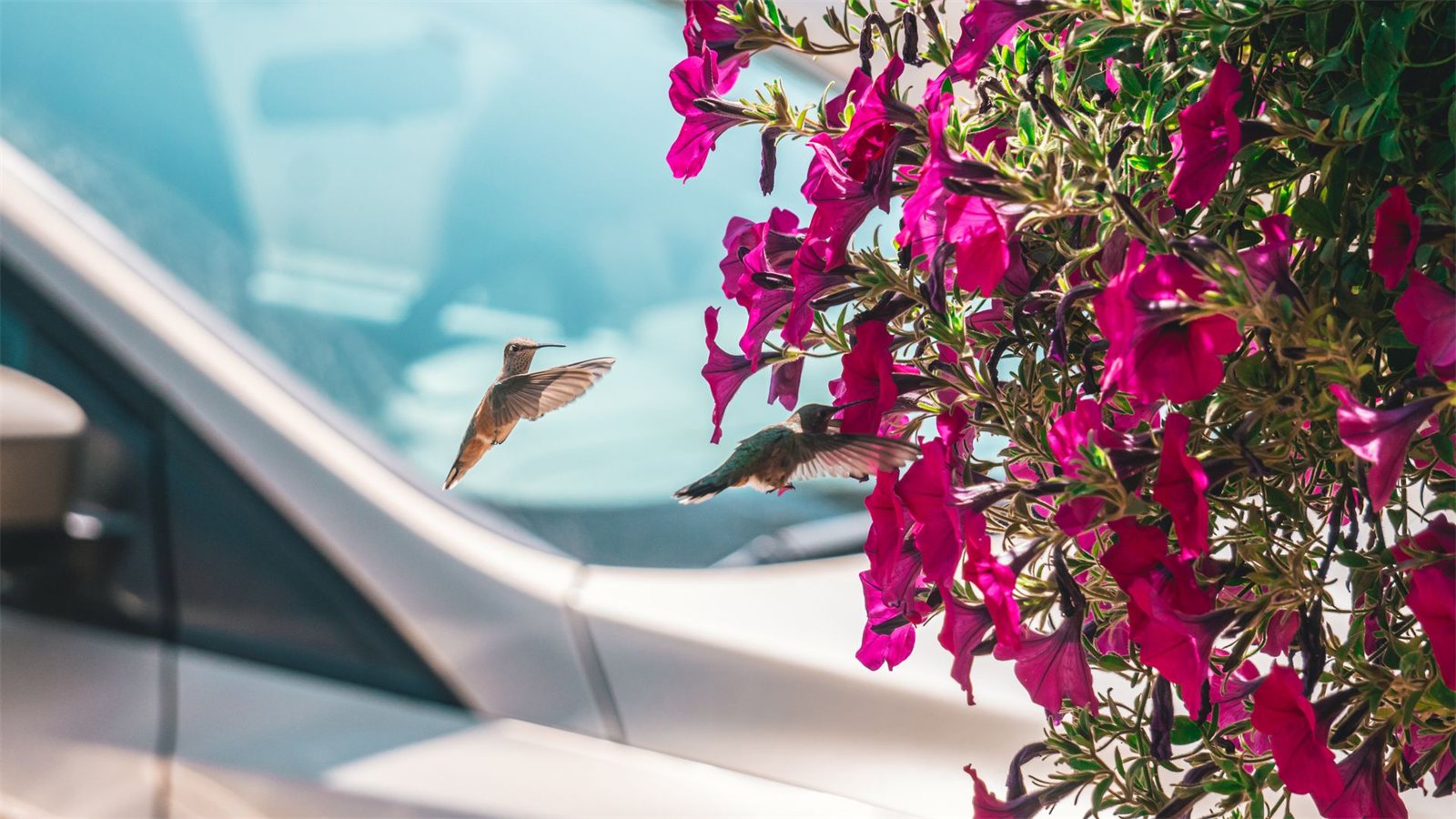
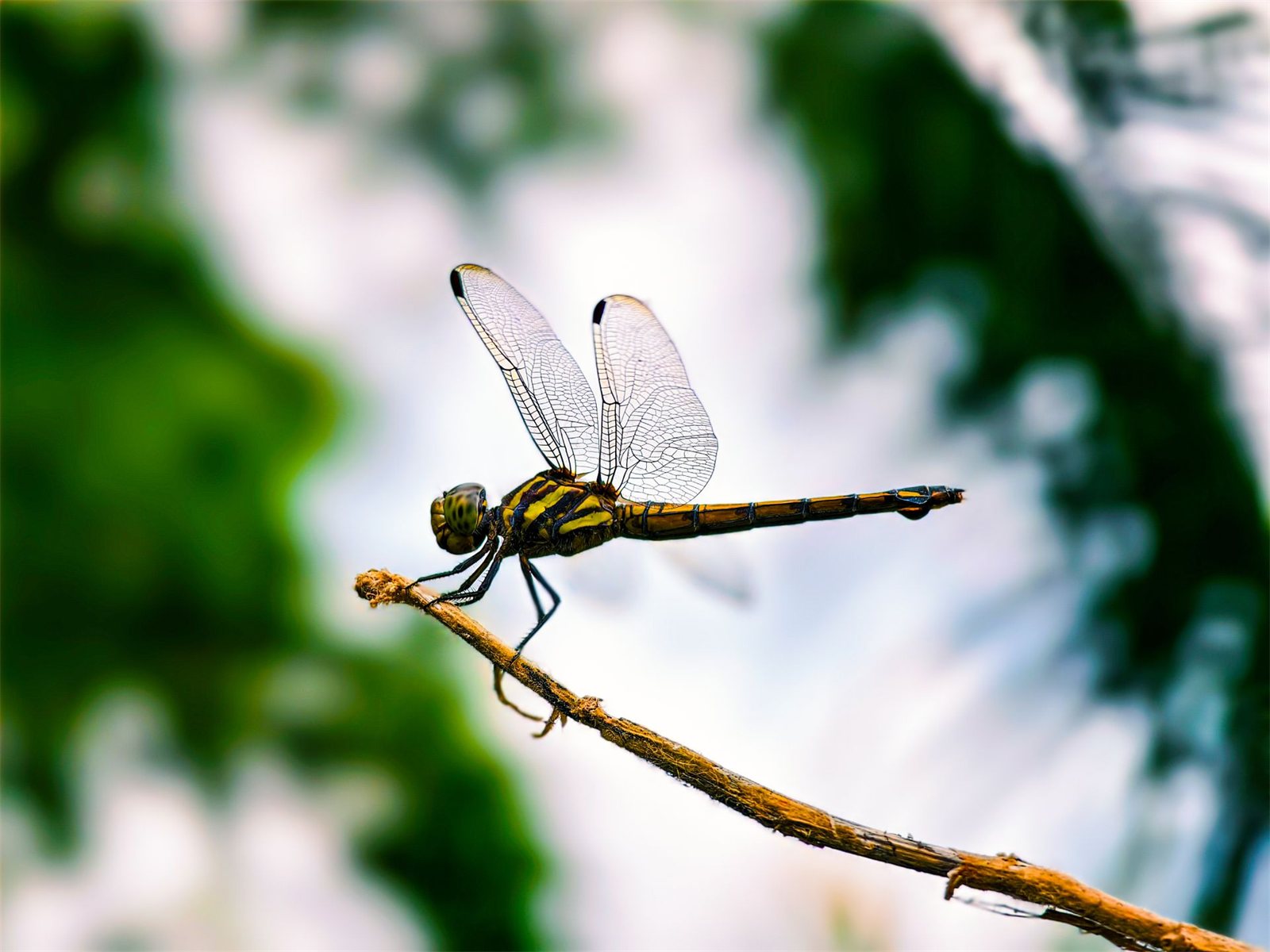
Hummingbirds cross the Gulf of Mexico on less than 3 grams (one tenth of an ounce) of fuel, Dragonflies outmanoeuvre our best helicopters, Heating and air-conditioning systems in termite mounds are superior in terms of equipment and energy consumption to those made by human beings, Abat's high-frequency transmitter is more efficient and sensitive than our own radar systems, Light-emitting algae combine various chemicals to illuminate their bodies, Arctic fish and frogs freeze solid and then spring to life, having protected their organs from ice damage, Chameleons and cuttlefish change the pattern of their skin to blend instantly with their surroundings, Bees, turtles, and birds navigate without maps, and Whales and penguins dive without scuba gear.
These astonishing mechanisms and designs in nature, of which we have cited only a few, have the potential to enrich technology in a wide range of fields. This potential is becoming ever more obvious as our accumulated knowledge and technological means increase.
All animals possess many features that amaze human beings. Some have the ideal hydrodynamic shape that allows them to move through water, and others employ senses that appear very foreign to us. Most of these are features that researchers have encountered for the first time, or, rather, that they have only recently discovered. On occasion, it is necessary to bring together prominent scientists from such fields as computer technology, mechanical engineering, electronics, mathematics, physics, chemistry, and biology in order to imitate just one feature of a living thing.
Scientists are amazed when confronted with the incomparable structures and systems they are discovering with every passing day, and use that amazement to inspire themselves to produce new technologies for humanity's benefit. Realising that the existing perfect systems and extraordinary techniques applied in nature are far superior to their own knowledge and intellect, they became aware of these matchless solutions to existing problems and are now resorting to the designs in nature to resolve problems that have eluded them for years. As a result, they will perhaps achieve success in a very short time. Moreover, by imitating nature, scientists are making very important gains with regard to time and labour and also to the targeted use of material resources.
Today we see the developing technology gradually discovering the miracles of creation and using the extraordinary designs in living things, as in the case of biomimetics, in the service of humanity. Benyus has stated that "‘Doing it nature's way' has the potential to change the way we grow food, make materials, harness energy, heal ourselves, store information, and conduct business."117
The following are just a few of the many scientific papers to have considered such subjects:
In the nineteenth century, nature was imitated only in aesthetic terms. Artists and architects of that time were influenced by nature and used examples of the structures' external appearances in their works. Yet the realisation of nature's extraordinary designs and that these could be used to benefit human beings only began in the twentieth century with the study of natural mechanisms at the molecular level. Scientists today are learning from living things, as revealed in the Qur'an 1,400 years ago.
Locusts Moving in Swarms
This verse describes all people's situation in the Hereafter as one resembling swarming locusts. There is great wisdom in this simile.
«They will emerge from their graves with downcast eyes, like swarming locusts .»
This verse describes all people's situation in the Hereafter as one resembling swarming locusts. There is great wisdom in this simile.
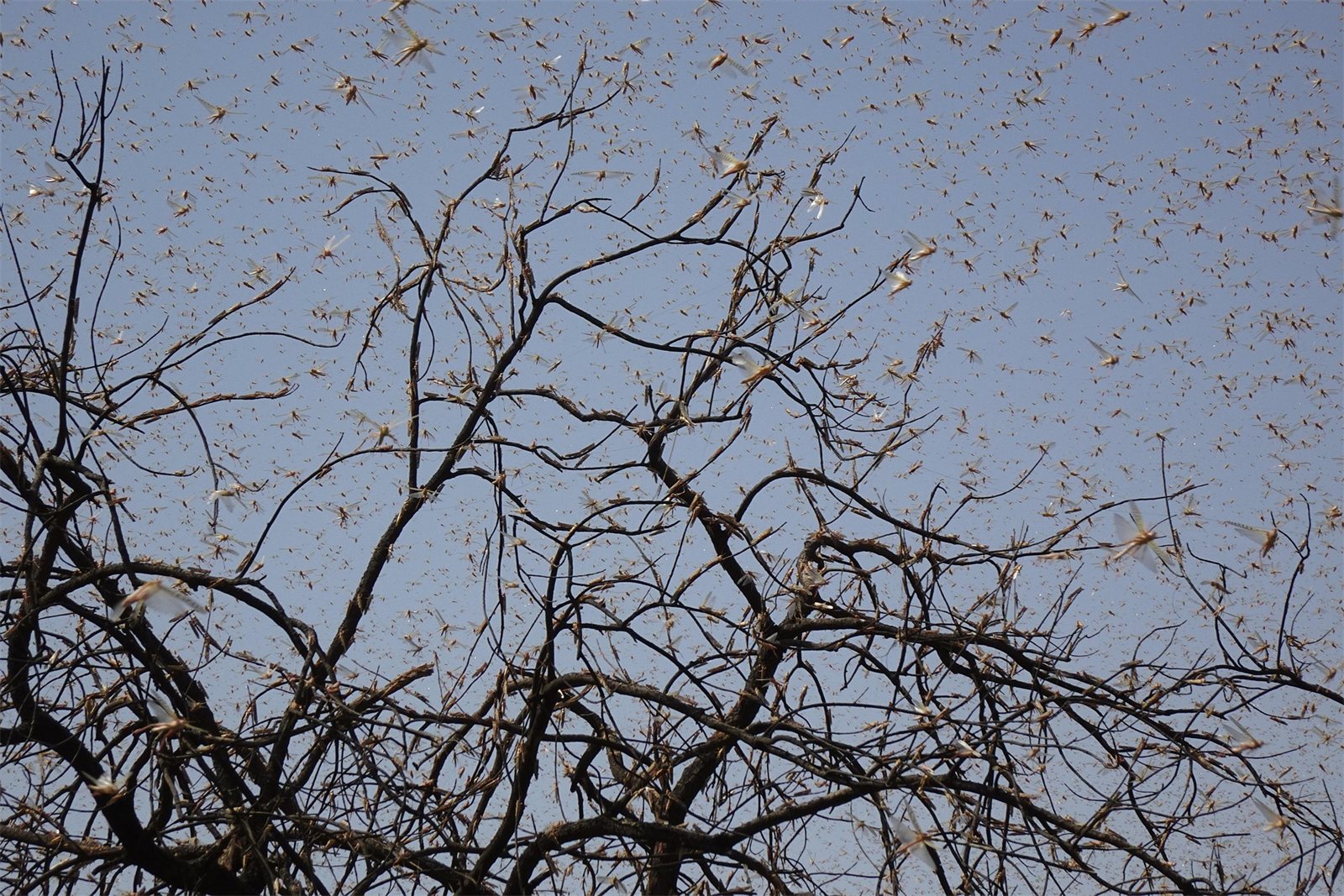
A great deal of information was obtained about locusts in the twentieth century by conducting wide-ranging studies using microcameras. Locust swarms contain huge numbers of individual locusts that behave as a single body. Coming together in swarms that are kilometres long and wide, they look just like a dark cloud. It has been established, for instance, that a single swarm of desert locusts can cover 1,200 square kilometres (460 square miles) and contain between 40 and 80 million locusts per square kilometre.124
In addition, they deposit their eggs in sandy soils like seeds and, after the larvae have remained underground for a long period of time, they all emerge together. After digging a 10-15 cm (4-6 inch) long tunnel in the ground, a female locust lays 95-158 eggs at once. Females can lay eggs at least three times in their lifetime. When the larvae have matured after 10-65 days, depending on the air temperature, they emerge in a large group. Up to 1,000 egg pods have been found in one square metre. Locust swarms are large enough to cover several hundred square kilometres, with the number of adult locusts per square kilometre varying from between 40 to 80 million.125
Their long underground existence and sudden emergence in vast numbers all at the same time may resemble the resurrection of human beings on the Day of Judgement. (Allah knows best.)
Today, locusts are being studied by special units, which employ remote control imaging systems. Even NASAsatellite data are used to identify areas in Africa where desert locust colonies have developed. Thanks to satellite data, it is possible to carry out wide-ranging research on land and in space over an 18 million square kilometre area.
As we have seen, the fact that the Qur'an made such a comparison at a time when these technologies did not exist is one of the proofs that it is the revelation of the Omniscient Allah.
How ants communicate
Surat an-Naml tells of a female ant warning the others of danger. Research in the 20th century revealed that ants possess an extremely complex system of chemical communication.
tap the field to drop food
500,000: nerve cells in an ant’s brain
2–3 mm: the body that houses this system
1959: the term “pheromone” entered science
The Qur'an indicates, when recounting Prophet Sulayman's life, that ants have a communication system:
«Then, when they reached the Valley of the Ants, an ant said: "Ants! Enter your dwellings, so that Sulayman and his troops do not crush you unwittingly.»
Scientific research into ants has revealed that these tiny animals have very organised social lives and that, as a requirement of that organisation, they also have a very complex communication network. For example, National Geographic reports that:
Even if we are not aware of it, ants use a variety of methods to communicate, thanks to their very sensitive sensory organs. They use these organs at all times, from finding prey to following one another, and from building their nests to waging war. With 500,000 nerve cells squeezed into their 2-3 mm bodies, they possess a communications system that astonishes human beings.
The reactions in their communications have been divided into several specific categories: alarm, recruitment, grooming, exchange of oral and anal liquid, group effect, recognition, caste determination127… Ants, which establish an ordered society by means of these reactions, live a life based on the mutual exchange of information. To bring about this exchange, they sometimes exhibit more flawless communication in areas that human beings often cannot resolve through speech, such as coming together, sharing, cleaning, and defence.
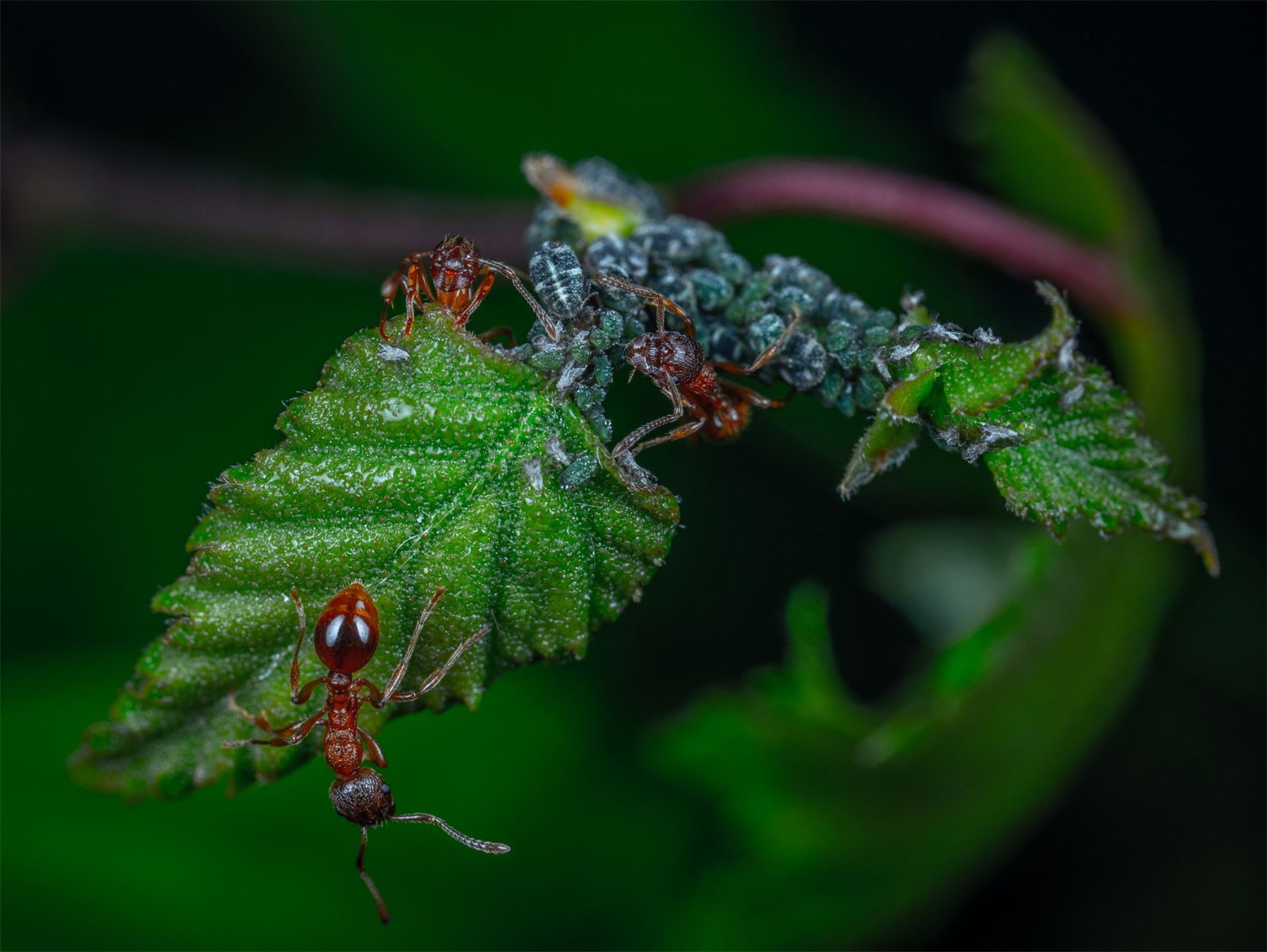
Ants mainly communicate on the chemical level. These semiochemicals, known as pheromones, are chemical compounds that are perceived by smell and secreted by internal glands. In addition, they play the most important role in organising ant societies. When an ant secretes a pheromone, the other ants receive it by means of smell or taste and duly respond. Research into ant pheromones has revealed that all signals are emitted according to the needs of the colony. Moreover, the intensity of the pheromone emitted also varies according to the urgency of the situation at hand.128
As we have seen, ants require a profound knowledge of chemistry to do what they do. The fact that the Qur'an emphasized this fact 1,400 years ago, a time when there was no such knowledge about ants, is another one of its scientific miracles.
The Food Cycle
In the above verse, our attention is drawn to a food cycle of which people at the time of the Qur'an's revelation could have known nothing.
«Allah splits the seed and kernel. He brings forth the living from the dead, and produces the dead out of the living. That is Allah, so how are you misguided?»
In the above verse, our attention is drawn to a food cycle of which people at the time of the Qur'an's revelation could have known nothing.
When a living thing dies, micro-organisms quickly cause it to decompose. The dead body is thus divided up into organic molecules that mix with the soil and form the basic source of food for plants, animals, and, ultimately, humanity. Were it not for this nutritional cycle, life would not be possible.
Bacteria are responsible for meeting all living things' mineral and food needs. Plants and some animals, which remain almost dead (hibernation) throughout the winter, revive in the summer and meet all of their mineral and food requirements through the activities of bacteria during the winter. Throughout the winter, bacteria separate organic wastes (i.e., dead plants and animals) and turn them into minerals.129 Thus, when living things reawaken in spring, they find food ready and waiting for them. Thanks to bacteria, a "spring cleaning" has been carried out in their environment and the necessary amount of food has been prepared for nature as it returns to life in the spring.
As we have seen, dead creatures play a vital role in the emergence of new ones. This transition, indicated in the Qur'an as " He brings forth the living from the dead, and produces the dead out of the living ," is carried out in the most perfect manner. This is one of the proofs that the Qur'an is the word of Allah.
Aerodynamic Forces and the Flight Programmed in Birds
Due to the force of gravity, all bodies which are airborne should eventually fall to earth, either quickly or slowly. Everything, living or otherwise, is subject to the Earth’s gravitational pull.
«Do they not see the birds suspended in mid-air up in the sky? Nothing holds them there except Allah. There are certainly signs in that for people who believe.»
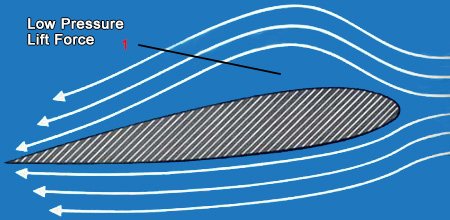
1. Low Pressure Lift Force The tops of birds’ wings are curved, the bottoms are flat. This shape produces lower pressure on the top compared to the bottom. This difference in air pressure produces a lift force that enables the bird to rise in the air by beating its wings upward.
Due to the force of gravity, all bodies which are airborne should eventually fall to earth, either quickly or slowly. Everything, living or otherwise, is subject to the Earth’s gravitational pull. But as a miracle of Allah, birds are able to resist this force and fly upward and downward in the air with extraordinary ease and agility. They maneuver in the air, and sometimes even fold their wings and glide through it with effortless grace and dignity. Even the minutest details which scientists have discovered in the bodies of birds - from their beautiful feathers to their powerful lungs, from the arrangement of the general physiology to the shape of their perfect wings - are equipped with special features and a faultless order which enables them to fly. A chick totally unaware of the act of flight and the laws of aerodynamics is born with the ability to fly. The chick launches itself downwards and begins to fly, just as if it knew its body was created for flight. This is not information that is taught subsequently nor is this something that a bird learns by trial and error. Amazingly, a bird knows it has the body structure needed to fly. Without any encouragement, it naturally possesses the courage to launch itself into the air and then flies without hitting the ground. This can only happen through Allah's inspiration.
The Arabic word "yumsikuhunna" translated as "holds" in verse 79 of Surat an-Nahl means "not letting them go, taking them, catching them, or holding them." The word is the present tense of the verb "amsaka," meaning "to catch with the hand, hold and pull back." With this word, our Almighty Lord reveals that He holds the bird in the air and that it flies by His command. Bird flight is still the subject of wide-ranging research by scientists. Having observed the perfection of bird flight, scientists use the avian body and avian flight ability as direct models in producing such vehicle as airplanes and jets.
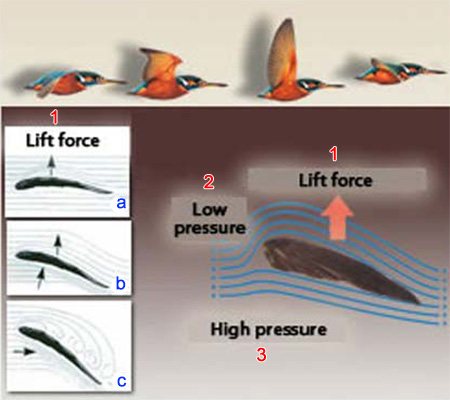
1. Lift Force 2. Low Presure 3. High Pressure (a) The air passing quickly around the bird's wings generates a lifting force.(b) The bird bends its wings to obtain greater lift. Air flowing over the wing is thus accelerated.(c) If the wing is bent perpendicular, the air is unable to flow easily towards the upper surfaces of the wing, and the bird loses speed and stalls.Through Allah's Inspiration, birds make use of the principles of aerodynamics as they fly.Birds use the principles of aerodynamic forces in flying. These techniques and actions are inspired in them by Allah.The tops of birds' wings are curved whilst the bottoms are flat. This shape produces lower pressure on the top compared to the bottom. This difference in air pressure produces a lift force that enables the bird to rise in the air by beating its wings upward.
The above-mentioned verse may well be highlighting the manner in which birds comply with the aerodynamic laws created by Allah as they fly. The science of aerodynamics studies the behavior of solid bodies in a fluid environment such as air. For example, as a plane moves through the air, various forces emerge that affect its movement. In order for the plane to move as planned and not to run into any resistance, the plane is thoroughly tested beforehand against the resistance exhibited by the air. Its shape and movement is planned as a result of lengthy calculations, measurements and experiments.
Today, scientists are still astonished at how birds defy gravity with such skill and poise. Using no form of trial and error, they cope with the laws of aerodynamics in the most perfect manner. The use of the word "musakhkharatin" (suspended) in the verse to describe bird flight is an exceedingly specific choice of language, because it suggests that they have been "encouraged to a specific end, have had to do something, have submitted or bowed their heads, have bound themselves to Allah or have submitted to His laws". This is the implication contained in the word itself. In that way, the verse may be indicating the manner in which aerodynamic laws have a determining influence on bird flight. (Allah knows the truth.)
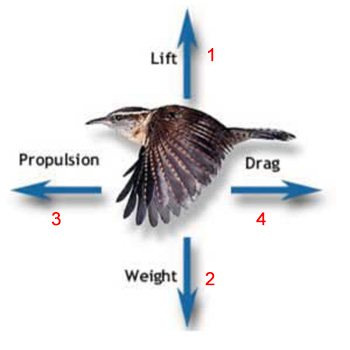
At first sight, there would appear to be nothing to make it difficult for birds to fly. But according to the laws of aerodynamics, any object flying in the air is subject to various different forces. The best-known of these are gravity, propulsion, drag and lift. In order for any meaningful flight to take place, these forces have to be balanced perfectly. The slightest imbalance in a bird would cause it to come crashing down to earth each time it tried to fly. For example, if gravity is stronger than the other forces, the bird will fall to earth. That is why the word in the verse is the best possible expression of the situation which we are examining here. The presence in the Qur'an of expressions containing such information at a time when no science of aerodynamics or mechanics existed, once again, reveals that the Qur'an is a divine text.
In addition to the aerodynamic perfection in bird flight, scientists are also researching the migration patterns of thousands of kilometers that they make. Ornithologists have today concluded that these are literally programmed in them. The way that young birds are able to undertake long and arduous journeys with no guide or previous experience is the most obvious example of this. The Arabic word "musakhkharatin" in the verse quoted above implies "being encouraged toward a specific target, being taken under command, being taken under submission," clearly revealing that birds obey the instructions they are given when following the directions set out for them. There is no possibility of birds, which are devoid of intellect and consciousness, managing to make their own calculations as they fly. Scientists today are in agreement that these extraordinary abilities in birds are "pre-programmed" in them. This is set out in an article in the journal Science:
There is good evidence that young birds are equipped with endogenous migratory programs, which tell them roughly how many days and/or nights that they must fly, and in what direction.130(emphasis added)
In his book La Puissance et la Fragilité, Pierre Jean Hamburger from René Descartes University describes the extraordinary 24,000-kilometer journey made by the shearwater that lives in the Pacific Ocean:
1. Lift 2. Weight 3. Propulsion 4. Drag The illustration shows the main forces acting on a bird during flight.
It sets out from the coast of Australia. From there it flies straight southward to the Pacific. Then it turns north and flies along the coast of Japan until reaching the Bering Sea where it can rest for a while. Following that break it sets off again, and this time heads south. Crossing the western coast of America, it arrives in California. It then crosses the Pacific to return to its starting point. The route and timing of this 15,000-mile (24,000-kilometer) figure '8' journey it makes every year never change.The journey in question lasts a whole six months, always coming to an end in the third week of September on the island it left six months before, at the nest it left six months before. What comes next is even more astonishing; after their return, the birds clean their nests, mate, and lay a single egg over the last 10 days of October. The chicks hatch out two months later, grow very fast and are cared for over three months until their parents set out on that stupendous journey. Two weeks later; around the middle of April, it is time for the young birds to take wing on their own journey. They follow exactly the same route as that described above, with no guide.The explanation is so obvious: These birds must have all the directions for such a journey within the inherited characteristics passed on within the egg.Some people may claim that birds navigate by the Sun and stars or follow the winds prevailing along their route on this journey out and back. But it is clear that these factors cannot determine the journey's geographical and chronological accuracy.131(emphasis added)
Professor Peter Berthold, a famous ornithologist who has investigated bird migration for 20 years and president of the Max Planck Institute Ornithological Research Center, says the following about bird migration:
Every year an estimated 50 billion birds make migratory journeys, along a network of routes that encompasses the whole world. Sometimes travelling tens of thousands of kilometers, crossing continents and oceans, migratory birds have become so well adapted to this task that they can traverse the largest deserts and seas, the highest mountains and expanses of ice... migratory birds have comprehensive, detailed, innate spatio-temporal programs for successful migration. Such programs evidently enable even young, inexperienced birds to migrate alone, with no adult guide, to the species- or population-specific winter quarters that they have never seen before. As will be explained further below, they do this by "vector" navigation: referring to a vector composed of a genetically predetermined migratory direction and to a time-plan, also genetically predetermined, for the course of migration... It follows that the departure time is programmed by genetic factors... But how do birds "know" the direction in which to migrate, so that they will reach their specific winter quarters? Here, again data have been obtained that point to direct genetic control mechanisms. It has long been suspected that migration directions are innate... when displaced from the normal starting point, and still more crucially, when tested in orientation cages, migratory birds showed directional preferences practically identical to the normal ones, even if they had never migrated before. Now a number of experiments have provided evidence of the genetic determination of migration direction... Even these directional changes are evidently programmed endogenously to a great extent... With an innate pattern of migratory activity, the birds possess a genetically determined migration schedule. In combination with genetically determined migratory directions, as mentioned above, it guides even inexperienced individuals, migrating for the first time, "automatically" to their previously unknown winter quarters (vector navigation, using a vector composed of a time- and a direction-plan).132(emphasis added)
In conclusion, although scientists are unable to fully account for it, they still agree that migration is pre-programmed behavior that birds possess from birth. Journeys lasting thousands of kilometers, the preparations made for these flights and birds’ ability to find their way and navigate during flight all take place by our Lord's choosing, as expressed in the above verse. The accuracy of all the information provided in the Qur'an is important evidence that this information has all been revealed by Allah.
The air moving rapidly around the bird's wings produces the lift force. The bird bends its wings is thus accelerated. If it inclines its wings upward at a very steep angle, air cannot easily flow to the upper parts of the wings and the bird loses speed and stalls. Through Allah's inspiration, birds make use of the princles of aerodynamics as they fly.
The Miracle of Fire and Wood, That Cannot Be Obtained Artificially
One of the chemical substances mainly responsible for the structure of wood is "lignocellulose." This substance is a compound of the materials known as "lignin" and "cellulose" that give wood its hardness.
«Have you thought about the fire that you light? Is it you who make the trees that fuel it grow or are We the Grower? We have made it to be a reminder and a comfort for travelers in the wild. So glorify the name of your Lord, the Magnificent!»
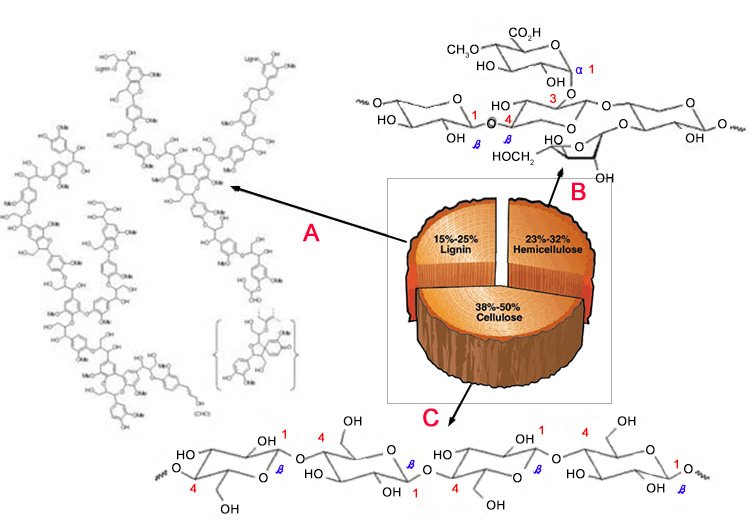
One of the chemical substances mainly responsible for the structure of wood is "lignocellulose." This substance is a compound of the materials known as "lignin" and "cellulose" that give wood its hardness. In terms of chemical structure, wood is made up of 50% cellulose, 25% hemicelluloses and 25% lignin.133 An analysis of these substances' chemical formulae reveals three vital elements: hydrogen, oxygen and carbon.
Hydrogen, oxygen and carbon are the building blocks of millions of substances in nature. But as a miracle from Allah, these three also combine to give rise to the substance "lignocellulose", which is found in plants. Although scientists know that hydrogen, oxygen and carbon are the ingredients of lignocellulose, some of the greatest minds in the world have been completely unable to reproduce this special material in plants. Although these elements can easily be obtained, scientists have been unable to create a single piece of wood by artificial means, despite having countless examples before them to study. Yet all the trees we see around us have been ceaselessly producing this compound for millions of years by combining oxygen, carbon, water and sunlight.
One of the compounds in lignocellulose is water, expressed by the formula H2O. Despite containing a large amount of water in its make-up, wood is still somehow one of the most flammable materials in nature. The above verse is very wise in noting that wood cannot be made by human beings. By means of these compounds and the water it contains, wood is one of the most important fuels of fire.
Trees are an important sphere of scientific research. Scientists are still struggling to grasp all the details in their Creation. The complex structures of the cells that constitute trees have still not been fully unraveled, despite advances in technology and intensive research. The Forestry Commission of Great Britain, one of the world's leading forestry research institutions, says the following under the heading "Lack of Information on the Chemistry and Structure of Wood Fibres":
Despite the knowledge resulting from earlier and ongoing research, there still exists a lack of information on the chemistry and structure of wood fibres. Large variations can be found within a single tree, from the pith to the bark and from the base to the top of a tree. Often the chemistry and structure of a wood cell are extremely heterogeneous and difficult to investigate with conventional techniques.134
A. 15% - 25% Lignin B. 23% - 32% Hemicellulose C. 38% - 50% Cellulose An examination of the chemical structure of wood shows it consists of 50% cellulose, 25% hemicellulose and 25% lignin.
A paper in the scientific journal Plant Physiology titled "Our Understanding of How Wood Develops is not Complete" describes the limited knowledge of the subject that scientists possess:
Considering the important role that wood is foreseen to play in the near future, it is surprising to see that our understanding of how wood develops is far from complete. With a few exceptions, very little is known about the cellular, molecular, and developmental processes that underlie wood formation. Xylogenesis represents an example of cell differentiation in an exceptionally complex form. This process is controlled by a wide variety of factors both exogenous (photoperiod and temperature) and endogenous (phytohormones) and by interaction between them. It is driven by the coordinated expression of numerous structural genes (some of known function) involved in cell origination, differentiation, programmed cell death, and heartwood (HW) formation and by virtually unknown regulatory genes orchestrating this ordered developmental sequence. The presence of gene families and the extreme plasticity of the metabolism involved (as exemplified by the unusual behavior of plants with transformed cell walls; for review, see Fagard et al., 2000) add a further complexity to our understanding of the process of wood formation135
The extraordinary Creation in wood is emphasized thus in another scientific journal, Annals of Botany:
Wood formation is a highly complicated process involving an unbelievable variety of metabolic steps in the roots, stem and crown of shrubs and trees. At the centre of these processes is cambial activity which results in the release of young woody cells that undergo maturation until autolysis of the protoplast, indicating the final developmental stage. Later on, in various tree species, woody cells become further modified by an additional process called heartwood formation. The properties of wood that make it an appropriate raw material for many purposes are largely determined by the specific architecture of the cell walls. Difficulties in investigating these many developmental stages appear when routine techniques, which work well for soft plant tissues, are applied. Therefore, in most cases, these techniques need modification or the use of completely revised protocols to yield good results for woody tissues.136
These details in the Creation of wood remind us, as set out in Surat al-Waqi 'a, that wood cannot be made by human beings. Just a few of the inimitable features of wood, which cannot be produced artificially, are as follows:
Wood, a Resistant Material
The hard and resistant nature of wood is the result of the cellulose fibers it contains. Cellulose is exceptionally hard and is insoluble in water. It is this property of cellulose that makes the use of wood in construction so advantageous. Cellulose, described as a "contractible and incomparable substance," has been used for centuries in the construction of buildings, bridges and many other structures.
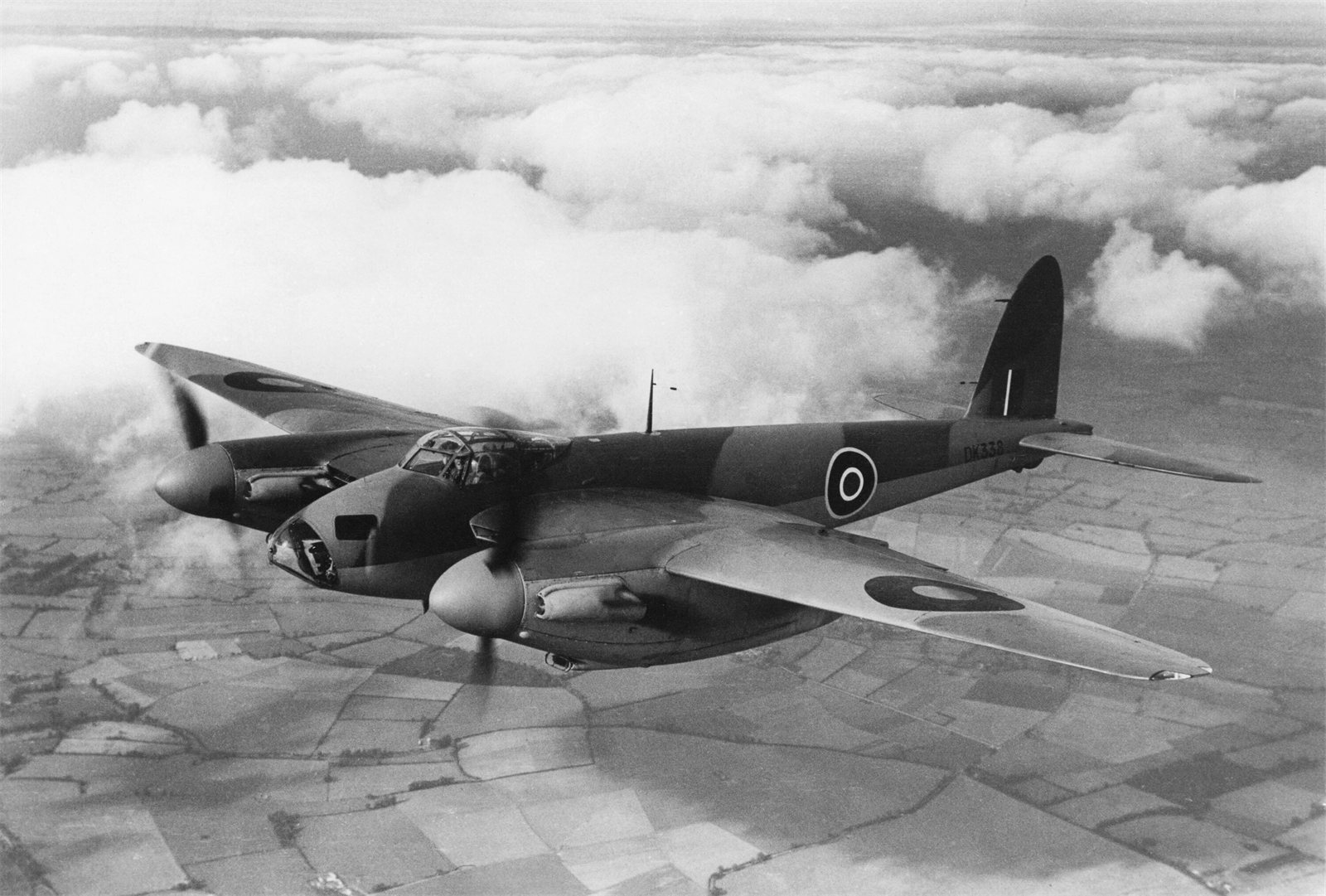
The Mosquito, one of the aircraft most tolerant of damage, was made of laminated plywood.
Wood consists of parallel columns made up of convex cells laid end to end. These are surrounded by cellulose fibers in spiral form. In addition, these cells are contained in "lignin," a substance made from a complex, polymer structure resin. These spirally-enclosed layers make up 80% of the thickness of the cell wall and bears most of the load there is to bear. When a wood cell collapses internally, it absorbs the shock of a blow by detatching itself from the surrounding cells. Even when such collapses causes a crack along the length of the fiber, the wood remains remarkably unharmed. That is why wood is strong enough to bear specific loads even if it is broken.
In addition, wood is also able to absorb the energy of low-speed blows. World War Two era fighter plane known as the "Mosquito" was made by compressing wood between strips of fiber board, making it the most damage-resistant plane of its time. The rigid, resistant nature of wood make it a very reliable material because wood breaks or cracks slowly enough to be visible from the outside, thus giving people enough time to take the necessary precautions.137
A material based on the structure of wood can be up to fifty times more resistant than other synthetic materials currently in use.138 Today, these unique properties of wood are used against high speed impacts and destructive fragments such as bombs and bullets. Yet scientists have not been able, despite their staunchest efforts, to come even close to replicating a piece of wood with all its many attributes. Every detail in the Creation of wood, - the thickness of the internal layers, their level of compression, the number of vessels, their layout and the materials inside it, have been specially created to result in that resistance.
The Hydraulic System That Raises Water Many Meters against the Force of Gravity
The dead part of wood, known as the "xylem," contains hollow channels. These, also known as "wood vessels," consist of inanimate cells that gradually lose their nuclei and cytoplasm, and which are piled one on top of the other. Long, thin wood vessels form when the membranes between the cells dissolve and disappear.
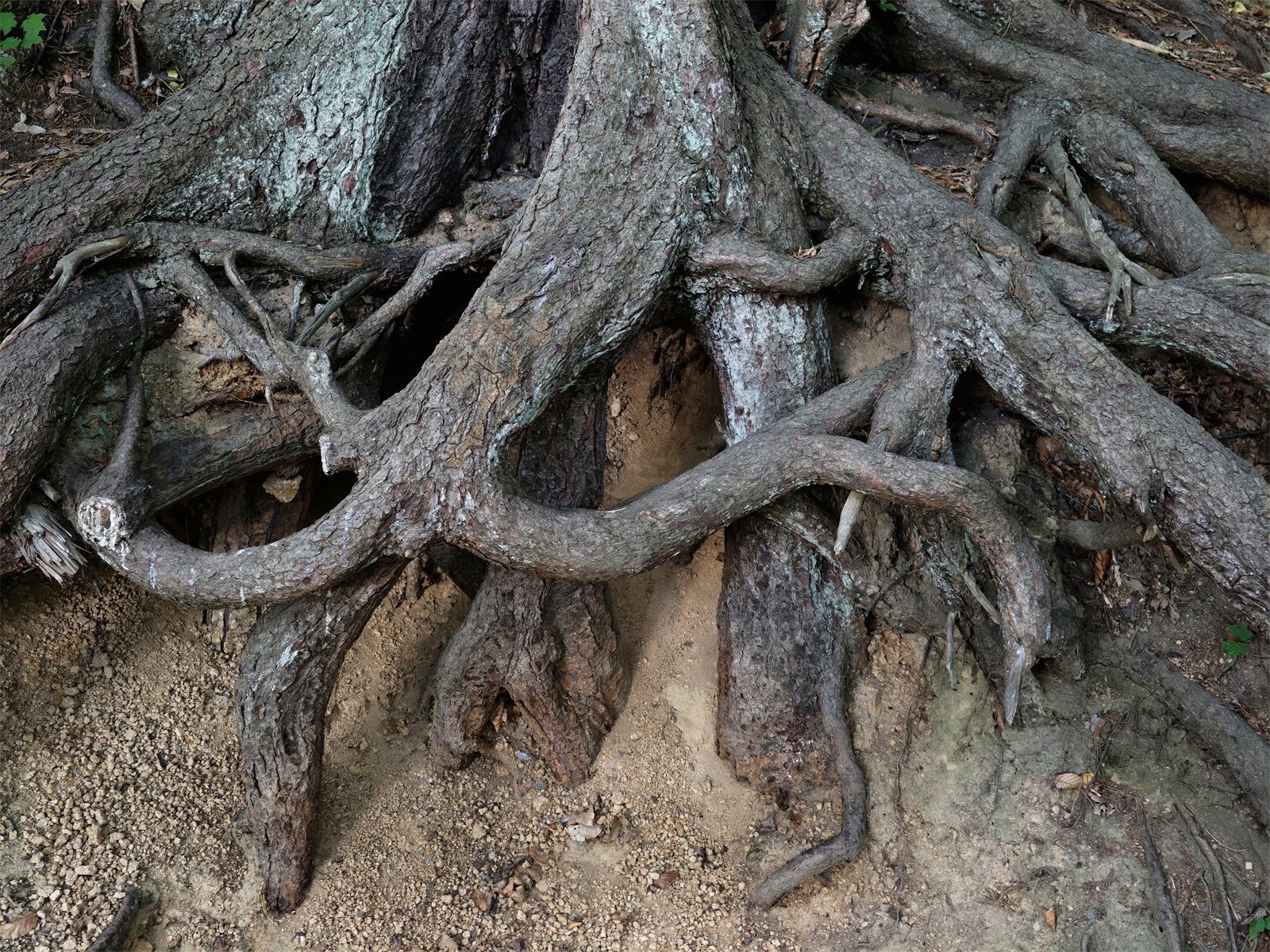
Roots spreading out beneath the soil carry the water and minerals the plant needs upward through these tissues. The water is then transmitted as far as the leaves. The way the roots absorb the water in the ground is reminiscent of the “test bore technique”. The roots themselves have no engines to initiate the water absorption process; neither do they have any technical equipment with which to pump water and minerals for distances of up to several meters. But the roots absorb the water present in the depths of the soil by spreading over a very wide area.
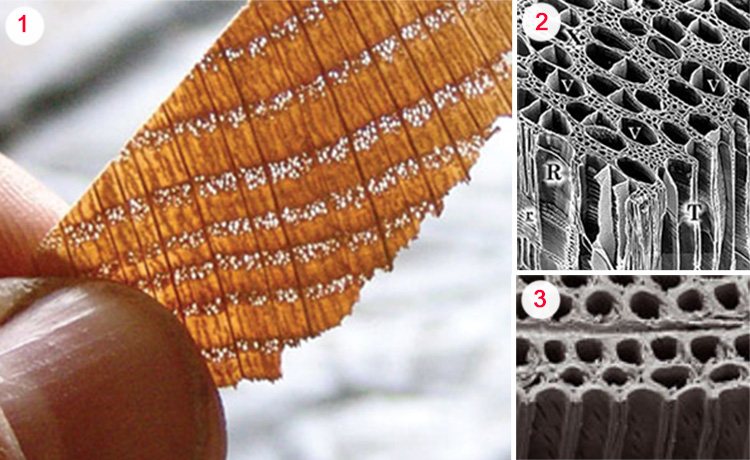
As seen in the picture to the left, wood consists of tube or strawshaped cells. By combining one on top of the other, these cells, which make up the roots and trunks of plants, serve as channels that carry water and minerals right through the plant. This tissue, known as "xylem," also constitutes a powerful structure that enables the plant to remain upright. To the right, we can see a slice of dry wood in crosssection. When dried out, the tubelike channels become hollow, as shown in the illustration.139
This lifting process that the plant performs so flawlessly is an exceedingly complex one. Yet this system has still not yet been fully understood, even in these days of high technology and space travel. The presence of a "hydraulic system” in plants was determined some two centuries ago, but we still do not know how this action in defiance of the force of gravity takes place. The superior technology squeezed into such a confined space is just one of the examples demonstrating the incomparable knowledge of our Lord, the Creator of the system. Like everything in the universe, Almighty Allah created the transportation system in trees.
As seen in the picture above, wood consists of tubular or straw-shaped cells. By combining one on top of the other, these cells, which make up the roots and trunks of plants, serve as channels that carry water and minerals throughout the plant. This tissue, known as "xylem," also constitutes a powerful structure that enables the plant to remain upright. To the right, we can see a slice of dry wood in cross-section. When dried out, the tube-like channels become hollow, as shown in the illustration.
The Mosquito, one of the aircraft most tolerant of damage, was made of laminated plywood.
Roots Capable of Selecting Minerals from the Soil
Plants draw all the mineral nutrients they need from the soil; this includes potassium, phosphorus, calcium, magnesium and sulfur. Since the substances are not found separately in the soil, they absorb them as ions (positively or negatively charged atoms). Of all the many inorganic ions in dissolved state in the soil, plants absorb only the fourteen they need.
The iron concentration inside plant cells is 1,000 times greater than that in the soil outside.140 Under normal condition, an exchange of matter from a high density region to a lower density one will take place. But exactly the opposite happens in plant roots, and the ions in the soil are easily able to pass into the root cells.141
Because of this state of affairs that operates contrary to the pressure system, the plant uses a high level of energy in the pumping process. In addition, in the plant roots' taking up ions from the soil, there needs to be an identification system that attracts only the wanted ions and repels the unwanted ones. This shows that the ion pumps in the root cells are no ordinary pumps, but possess the ability to select between ions. Bearing in mind that the cell in the plant roots are made up of atoms devoid of any intelligence or consciousness, we must all surely acknowledge what an extraordinary process ion selection truly is.
Photosynthesis: The Superior Technology in a Miniature Factory
Whilst you may think that it is rare for a material to be as elusive to scientists as wood is, leaves tell a similar story. Leaves play a part in one of nature’s most important processes - photosynthesis. Photosynthesis, one of the systems that scientists still do not fully understand, may be summarized as plants manufacturing their own nutrients. Because of the delicate but perfect structure contained within plant cells, plants are able to store solar energy. At the end of various complex processes, this energy takes on a form which can readily be used by human beings as well as animals. In addition, the photosynthetic energy stored in trees is also emanated during burning. For example, the energy emitted by wood when burned to heat a house is actually energy from the Sun stored during the formation of wood.142
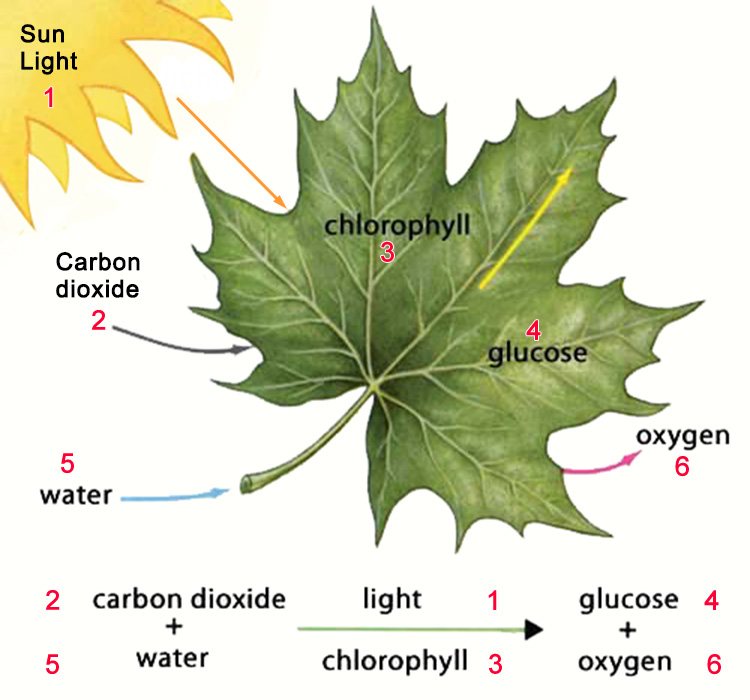
1. Sun Light 2. Carbon dioxide 3. Chlorophyll 4. Glucose 5. Water 6. Oxygen During photosynthesis, whereby plants manufacture their own nutrients, they use the energy arriving from the Sun. Plants convert this into food as the result of a number of complex chemical processes. This sublime Creation in plants is one of the matchless examples of Allah’s creative artistry.
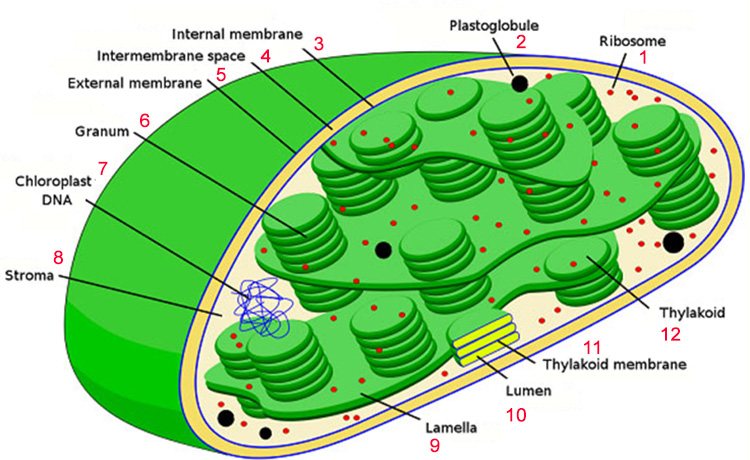
The photosynthesis system, which operates like a miniature factory, takes place in an organelle known as the "chloroplast" inside the plant cell. This is where it gets its distinctive green color from. Chloroplasts are just one-thousandth of a millimeter in size, for which reason they can only be seen under a microscope. When solar energy falls on the leaf, they transmit it to the layers inside it. Chlorophyll inside the chloroplasts in the leaf cells convert this light energy into chemical energy. The plant obtaining this chemical energy immediately uses it to obtain nutrients. It took scientists until the mid-20th century to obtain this information - summarized in just a few lines here. Pages of chain reactions were written to describe the whole process of photosynthesis. But some links in the chain are still a mystery to scientists. Yet, plants have been performing these processes uninterruptedly for hundreds of millions of years, thus providing the earth with food and oxygen.
1. Ribosome 2. Plastpglobule 3. Internal Membrane 4. Intermembrane Space 5. External Membrane 6. Granum 7. Chloroplast DNA 8. Stroma 9. Lamella 10. Lumen 11. Thylakoid Membrane 12. Thylakoid The chloroplast shown magnified in the illustration above is in fact just one-thousandth of a millimeter in size. It contains many organelles that assist with the process of photosynthesis. Photosynthesis, which takes place in many stages, not all of which are yet fully understood, takes place at high speed in these microscopic factories.
Here, we must take a moment to remind ourselves of the following: not a single cell constituting wood can be made by artificial means, and human beings' helplessness in the face of dead wood cells, shows the presence of a sublime Creator. The properties of wood, about which many volumes could be written, reveal the perfection in Allah’s Creation. The countless qualities which wood is synonymous with inspires scientists to research its make-up yet despite extensive efforts, there is still much that is not known about the true nature of wood. Allah’s Sublime Knowledge and intellect is the only possible explanation behind wood.
The Cloning of Living Things
The above verse contains the expression "yubattikunna," which derives from the verb "battaka"meaning "to cut off or break off." The term "yughayyirunna"in the verse derives from the verb "ghayyara," meaning "to change, alter,…
«[Satan said:] "I will lead them astray and fill them with false hopes. I will command them and they will cut off cattle's ears. I will command them and they will change Allah's Creation." Anyone who takes satan as his protector in place of Allah has clearly lost everything.»
The above verse contains the expression "yubattikunna," which derives from the verb "battaka"meaning "to cut off or break off." The term "yughayyirunna"in the verse derives from the verb "ghayyara," meaning "to change, alter, impair a thing's original form." At the end of both verbs appears the confirmatory letter "nun." With these expressions, this verse of Surat an-Nisa' may, in one aspect, be pointing to the scientific activity of copying or cloning of organisms. (Allah knows the truth.) This is because cloning experiments are generally conducted with cells taken from an animal's ear. To put it another way, a replica of a living thing is produced along with the extraction of cells from tissue samples "cut from animals' ears," just as described in the verse.
A report by the German Federal Agricultural Research Center provides the following information:
The tissue collection phase is short and simple. Once an animal has been located and restrained, a tissue sample like an ear clipping can be collected within seconds. Furthermore, somatic cells can be collected from all species… For cattle, pigs, sheep, goats, camelids and llamas, a unified and identical procedure can be used by obtaining a tissue sample from the ear using notchers which are also used for setting earmarks… Clearly, for all species lymphocytes could be used, but somatic cells from ear clippings will be much easier to obtain and are therefore preferable.143
Some reports concerning organisms cloned by taking samples from ear tissue include:
◉ According to a report by Reuters dated 1 May, 2002, a research veterinarian at the University of Sao Paolo in Brazil, Jose Visintin, produced cloned embryos for the first time in the country by using cells taken from the ear of an adult cow.144
◉ According to a BBC report, South Korean scientists cloned a dog called Snuppy from cells taken from a three year-old Afghan hound. Researchers at Seoul National University extracted genetic material from the cells taken from the ear and placed it into an empty egg cell. An embryo was then obtained by stimulating the cell to divide.145
◉ Another BBC report said that a new clone had been produced using ear cells from an adult cow in research carried out by Dr. Jean-Paul Renard et al. at the Institute National de la Recherche Agronomique in France146
◉ According to information of the official Human Genome Project website, in February 2002, scientists from Advanced Cell Technologies (ACT), an American biotechnology company, carried out experiments on cloning a cow embryo using the skin cell of the donor cow's ear.147
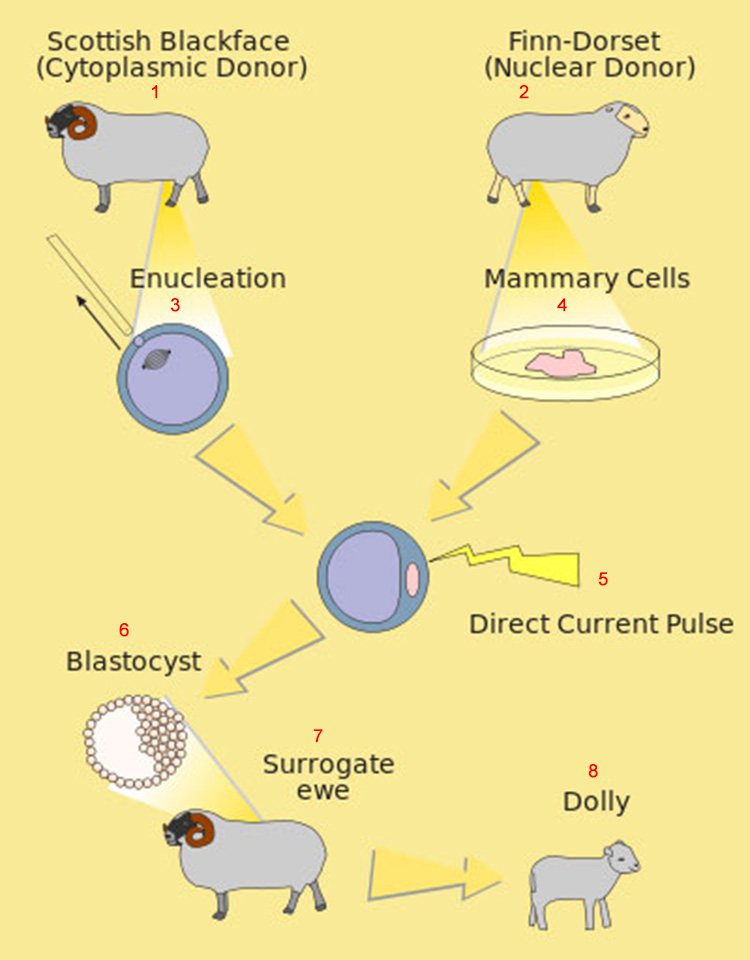
1. Scottish Blackface (Cytoplasmic Donor) 2. Finn Dorset (Nuclear Donor) 3. Enucleation 4. Mammary Cells 5. Direct Current Pulse 6. Blastocyst 7. Surrogate Ewe 8. Dolly In the cloning process, DNA from a cell of the living thing planned to be copied is placed under the microscope and placed into an egg cell from another member of the same species. The DNA of the animal intended to be copied is used for this. An electric shock is then applied, which stimulates the egg cell to start dividing. The embryo continues to divide and is placed into the womb of a member of the species, and is then left to develop and be born.
◉ A report by Associated Press, dated 24 January, 2000, announced that Japanese scientists
◉ had cloned the clone of a bull for the first time. In the re-cloning, skin tissue samples from
◉ the first generation cloned bull's ear were taken when it was four months old. These cells
◉ were then fused with an unfertilized egg from which the nucleus had been removed.148
◉ The way that changes in the Creation of living things are referred to in the Qur'an are highly significant. The expression "cutting off cattle's ears," at a time when no branches of science such as genetics or embryology existed, shows that the Qur'an has come down from the Sight of our Lord, Allah, Who is unfettered by time and space. We are also told at the end of the verse that these people will be disappointed when they alter what Allah has created. The verse may therefore be indicating that cloning will give rise to various problems for human beings. (Allah knows the truth.) Indeed, statements from the Genetic Science Learning Center of the University of Utah provide the following information:
When we hear of cloning successes, we learn about only the few attempts that worked. What we don't see are the many, many cloning experiments that failed! And even in the successful clones, problems tend to arise later, during the animal's development to adulthood.149
Information from the Human Genome Projects website takes this form:
Dolly, the first mammal to be cloned from adult DNA, [died on] Feb. 14, 2003. Prior to her death, Dolly had been suffering from lung cancer and crippling arthritis… More than 90% of cloning attempts fail to produce viable offspring… In addition to low success rates, cloned animals tend to have more compromised immune function and higher rates of infection, tumor growth, and other disorders. Japanese studies have shown that cloned mice live in poor health and die early… Appearing healthy at a young age unfortunately is not a good indicator of long term survival. Clones have been known to die mysteriously. For example, Australia's first cloned sheep appeared healthy and energetic on the day she died, and the results from her autopsy failed to determine a cause of death.150
In general terms, the risks arising from cloning experiments are as follows:
1) A high failure rate: The level of success is just 0.1%-3%. That means a failure rate of 970-999 for every 1000 experiments.151
2) Problems during development: Cloned animals that do survive generally have abnormally larger organs compared to the originals. This may lead to respiratory and circulatory difficulties, unhealthy kidneys and brains, and an impaired immune system.
Dolly, the first mammal to be cloned, died on February 14, 2003.
3) Abnormal gene expression patterns: Although clones have the same DNA sequences as the originals, the cell nucleus in the clone does not have the same program as that in a natural embryo. To put it another way, the DNA cannot activate the right set of genes essential for the development of the clone at the right time. For example, cells of all kinds, nerve, bone, blood or skin for example, all have different programs but the genetic programs in the cloned embryo do not work as healthily as those in a natural embryo.
4) Telomeric differences: Chromosomes are shortened as cells divide. The reason for this is that DNA sequences at both ends of a chromosome, known as telomeres, are shortened during each DNA replication. As an animal grows older, the telomeres shorten as part of the natural aging process. Therefore, the copied life form has shortened chromosomes from the moment it is born, just as if it were actually older.
Genetic material taken from living cells is used in cloning experiments, but fertilization takes place artificially. The reproduction mechanism created by Allah is thus impaired with these methods, and unidentified diseases, developmental deficiencies and early deaths are encountered. Fourteen centuries ago, it was of course impossible to know that scientists would eventually engage in cloning and that they would encounter enormous problems despite the millions of dollars they spend on their projects. Once again, it is demonstrated in this verse that the Qur’an is a divine scripture.