
The Basic Tenets of Islam: Everything is positive in paradise, and everything is negative in hell
Contents
- Preface
- There is no god but allah
- Allah encompasses everything
- Allah is near to man
- Allah created everything according to a fixed decree
- Allah has power over everything
- Allah sees and knows everything
- All beings are subjected to allah
- False beliefs about allah
- Faith in allah free of idolatry
- Assessing allah with a just assessment
- Allah's infinite greatness and power
- Love of allah and fear of allah
- The qur'an is a guide
- Belief in the books revealed by allah and belief in his messengers
- Faith in the angels
- The temporary nature of the life of this world
- It's a magnificent blessing to love allah with passion
- Man is being tested
- Death is not the end
- Belief in the hereafter
- Faith in the day of judgment
- The resurrection
- The day of judgment
- Paradise and hell
- Everything is positive in paradise, and everything is negative in hell
- The aim is to attain the good pleasure of allah
- Sin and repentance
- Scrupulousness regarding religious observances
- The morality of religion is in conformity with the natural inclination of mankind
- Believers must be together and cooperate
- The last word
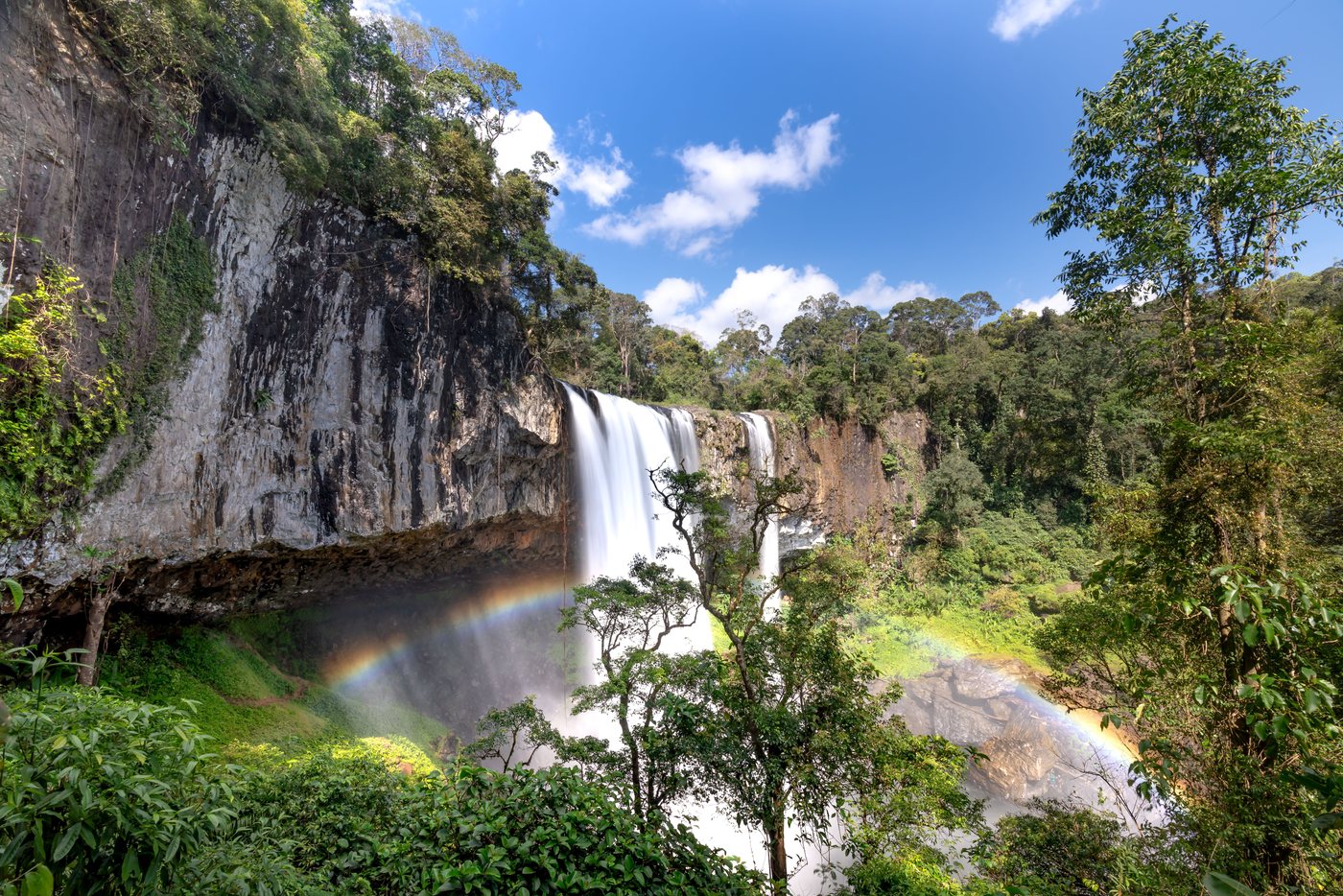
ADNAN OKTAR: Allah says of paradise that "no self has tasted and no eye seen it." It is utterly amazing and most beautiful. One of the best features of paradise is that nowhere grows old or fades, and everything is positive. As you know, everything is created with its opposite in this world. Like good and bad or day and night, in paradise there will be only positive aspects. That is the artistry of Allah. The gate of paradise is uniquely beautiful. You look at the doors of the houses and they are all separately decorated. The chairs have a beauty of their own. So we look at those beauties and give constant thanks to Allah. The human soul burns with love of Allah in paradise. You look at a pitcher in paradise and you give thanks to Allah. You can even talk to it. You can tell it to turn a bit to the right and it will do so. And if you tell it to bring you a cool drink, it will bring you one. Pour it out, you say, and it will pour it into a glass. Go back to your place you say, and back it goes. Paradise is very pleasant and entertaining like that. Allah has created it specially to be like that. But in this world we are bound by direct causes. I cannot bring something to me without stretching my hand out for it. I am bound by direct causes. Yet it is not my hand that brings it here. Allah creates that in my head. He creates my hand as the direct cause. But in paradise, the most beloved thing is talking with the Prophets. And also one's spouse will be manifested there in the most beautiful forms. They will be manifested in hundreds of physical bodies. The women of paradise are more beautiful than houris. I mean, devout women are more beautiful. They are much more beautiful both in terms of quality, and beauty and the delight they give the soul. But there are also the houris, the children and youths of the paradise and they are its beauty and adornment. They are young and lovely men, lovely children and young and lovely women, who wait on Muslims. They are all entities specially created by Allah but just like human beings, blessed and glorious beings who recall Allah in their speech and language. But if we are married, we know our spouse's moral values and the hardships they have suffered there, and their courage, and we know the prayers they have performed and the sacrifices they have made for Allah. Then we will love them, with that beauty, for all time. We will love them without forgetting. This is another delight of paradise, mutual conversation, asking the Prophets, one by one, about what they did. For example, we will see what the Prophet Moses (pbuh) did and how, and see the very scenes. If one has animals or things one delights in here, then they will be brought to life there, too. We will love them and live together with them. But whatever one loves. If one loves technical equipment, that will be created. Cars will be created if one loves cars, and planes if one loves planes. But cars will run without gas there. But here, if a car were to run without gas or an engine then the requirement for people to use their free will would be lifted. Actually no car runs with gas because there is no engine in our brain, or gas, or gas station nor anything to do with an engine. We can see there is no such system. And that is what happens in the hereafter; natural causes are eliminated. Everything we want comes about. Whatever delights us is there, all kinds of music, beautiful pictures, sculptures whatever. Hell is a place of the exact opposite, meaning that everything is in a defective, polluted, rotten and disgusting state. In other words, it is just as the materialists describe it all. There is magma, and people are malformed or incompletely formed, with their noses or mouths being displaced, for example. They are dirty, their mouths are dirty, their bodies are dirty. There is no washing in hell, which stinks and is utterly filthy. Vile smells, vile filth, vile words, vile darkness, vile food and generally vile everything are characteristics of hell. It is the exact opposite in paradise. The water is lovely, for instance, and everything smells lovely. Scents come in waves. One day it smells of roses, the next of carnations, but everything will be much more perfect. For example, the fruit is very delicious, very perfect. When you eat a strawberry here you put sugar on it. That is its deficiency, meaning that people have the concept of a true strawberry in their minds. For example, one never finds a completely normal orange, only very rarely. They usually find a flaw in it. But they will find the true orange there. They cannot find the real watermelon here, or have to go and hunt for two hours, but they will see the true ones there, by Allah's leave. (From Mr. Adnan Oktar's interview on Cay TV, February 25, 2009)