6 verses: in which Haman is mentioned in the Quran
1799: the Rosetta Stone was found
1822: Champollion deciphered hieroglyphs
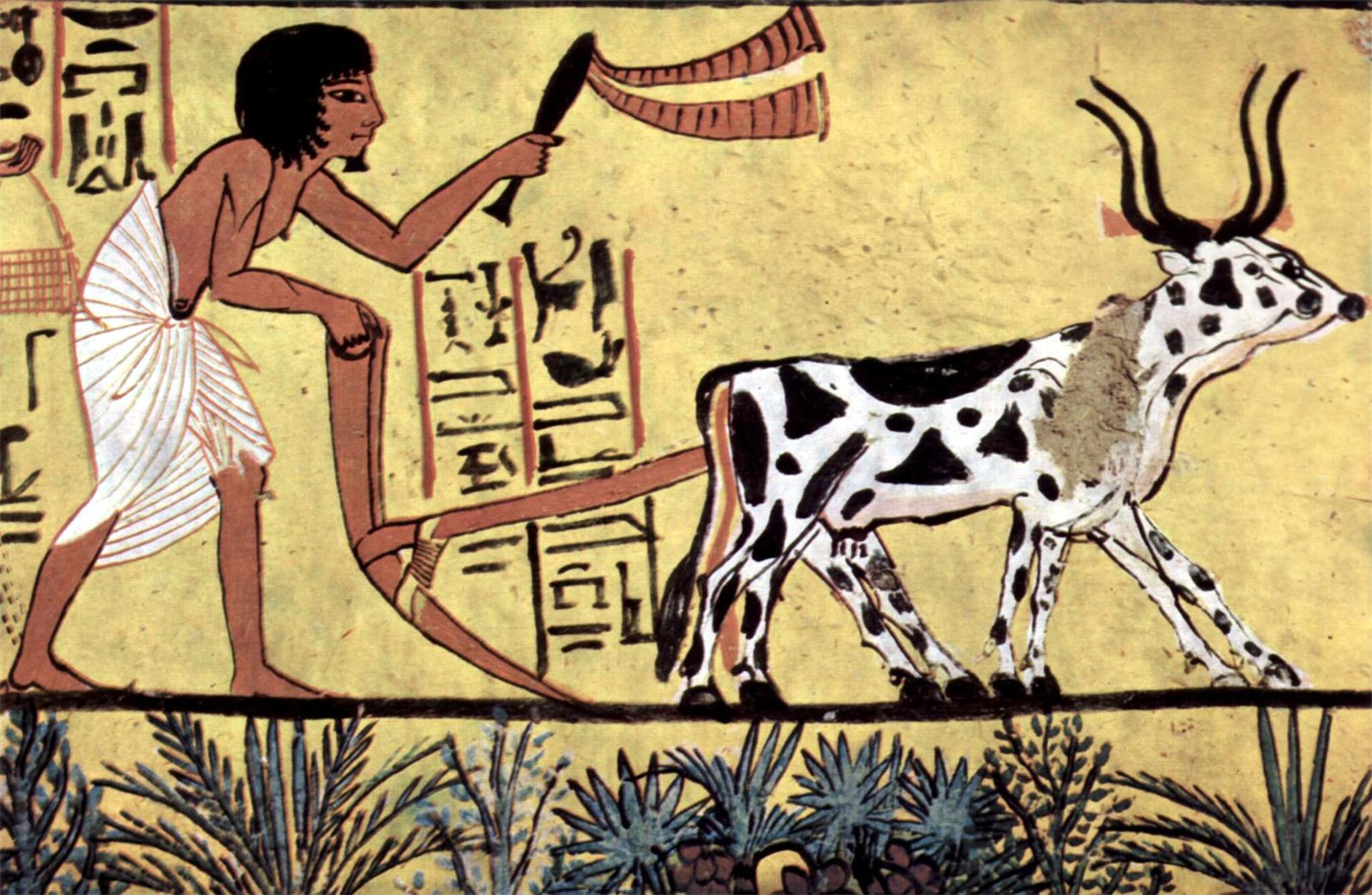
The name "Haman" was not known until the decoding of Egyptian hieroglyphics in the 19th century. When the hieroglyphics were decoded, it was understood that Haman was a close helper of the Pharaoh, and was "the head of the stone quarries". (Above are shown ancient Egyptian construction workers). The really important point here is that Haman is mentioned in the Qur'an as the person who directed construction work under the command of the Pharaoh. This means that information that could not have been known by anybody else at that time was given by the Qur'an.
The information given in the Qur'an about ancient Egypt reveals many historical facts that had remained undisclosed until recent times. These facts also indicate to us that every word in the Qur'an has been revealed by sure wisdom.
Haman is a character whose name is mentioned in the Qur'an, along with the Pharaoh. He is recorded in six different places of the Qur'an as one of the closest men to the Pharaoh.
The absurdity of these claims was demonstrated only after the Egyptian hieroglyphic alphabet had been deciphered, approximately 200 years ago, and the name "Haman" discovered in the ancient scripts.
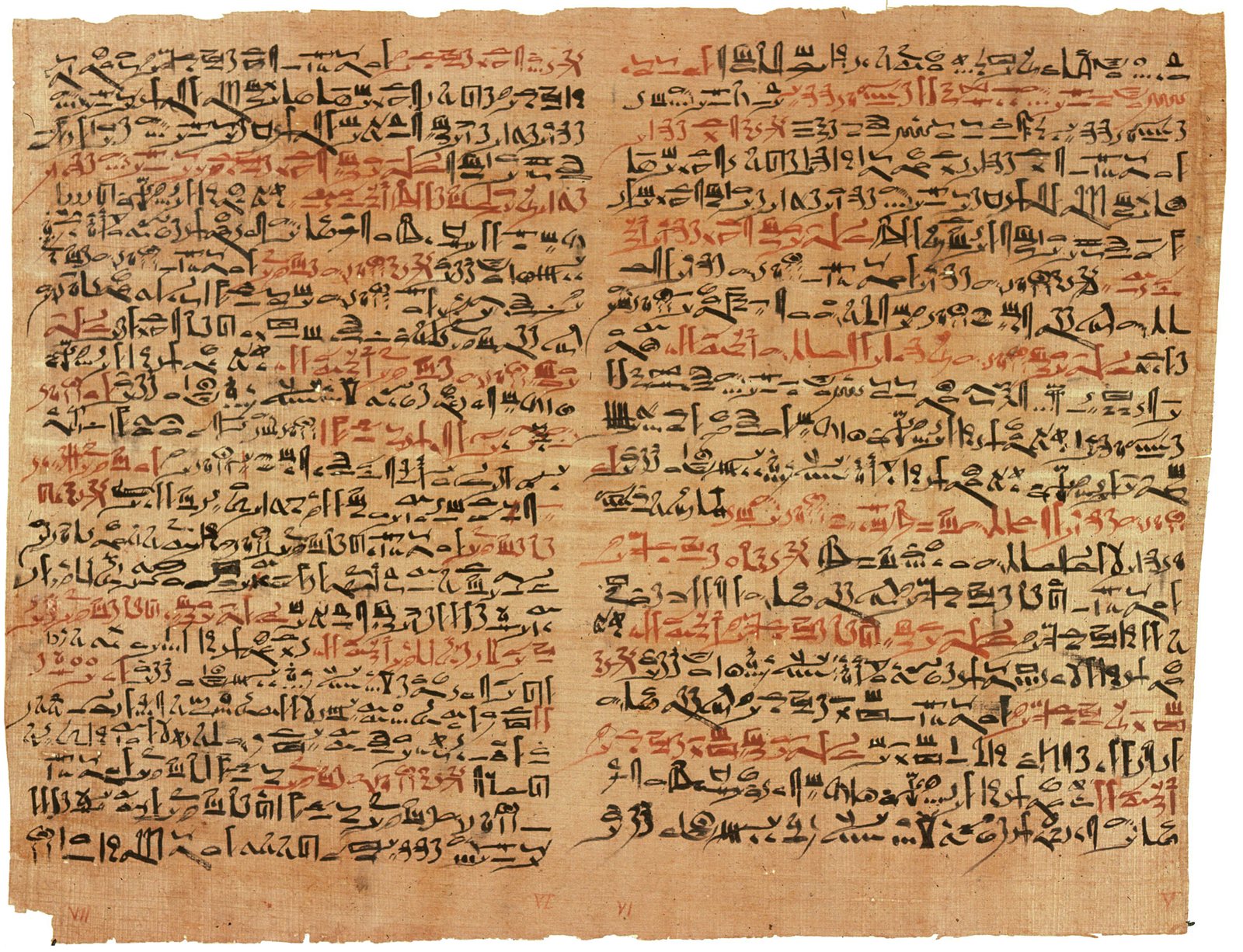
Before these discoveries, the writings and inscriptions of ancient Egypt could not be understood. The language of ancient Egypt was hieroglyphic, which survived through the ages. However, with the spread of Christianity and other cultural influences in the 2nd and 3rd centuries AD, Egypt forsook its ancient beliefs as well as hieroglyphic writing. The last known example of the use of hieroglyphic writing was an inscription dated 394 AD. Then that language was forgotten, leaving nobody who could read and understand it. And that was the situation until some 200 years ago…
The mystery of ancient Egyptian hieroglyphics was solved in 1799 by the discovery of a tablet called the "Rosetta Stone" dating back to 196 B.C. The importance of this inscription was that it was written in three different forms of writing: Hieroglyphics, demotic (a simplified form of ancient Egyptian hieratic writing) and Greek. With the help of the Greek script, the ancient Egyptian writings were decoded. The translation of the inscription was completed by a Frenchman named Jean-Françoise Champollion. Hence a forgotten language and the events related in it were brought to light. In this way, a great deal of knowledge about the civilization, religion and social life of ancient Egypt became available.
Through the decoding of hieroglyph, an important piece of knowledge was revealed: the name "Haman" was indeed mentioned in Egyptian inscriptions. This name was referred to in a monument in the Hof Museum in Vienna.282
In the dictionary of People in the New Kingdom, that was prepared based on the entire collection of inscriptions, Haman is said to be "the head of stone quarry workers".283
The result revealed a very important truth. Unlike the false assertion of the opponents of the Qur'an, Haman was a person who lived in Egypt at the time of Moses, who had been close to the Pharaoh, and had been involved in construction work, just as imparted in the Qur'an.
Furthermore, the verse in the Qur'an describing the event where the Pharaoh asked Haman to build a tower is in perfect agreement with this archaeological finding:
«Pharaoh said, 'Council, I do not know of any other god for you apart from Me. Haman, kindle a fire for me over the clay and build me a lofty tower so that perhaps I may be able to climb up to Moses' god! I consider him a blatant liar.'»
In conclusion, the existence of the name Haman in the ancient Egyptian inscriptions not only rendered the fabricated claims of the opponents of the Qur'an worthless, but also confirmed one more time the fact that the Qur'an comes from God. In a miraculous way, the Qur'an conveys to us historical information that could not have been possessed or understood at the time of the Prophet.
Prophet Musa and Sea's Splitting in Two
The kings of Egypt-known as "Pharaohs" (or "Fir’awn" in the Arabic of the Qur'an)-regarded themselves as divine in the polytheistic, superstitious religion of ancient Egypt.
However, Pharaoh and his court, and the people of Egypt in general, almost universally refused to abandon their idolatrous beliefs when Prophet Musa called them to divine religion and the Oneness of Allah. Prophet Musa revealed to Pharaoh and his courtiers that they should avoid false worship, warning them of Allah's wrath. In response to this, they rose up and slandered Prophet Musa: They accused him of being mad, of being a sorcerer and of falsehood. Pharaoh and his people refused to submit to Prophet Musa even though many troubles were visited upon them. They refused to accept Allah as the only deity. They even held Prophet Musa responsible for what had befallen them and sought to exile him from Egypt. In the Qur'an, Allah makes this reference to Prophet Musa and the believers with him:
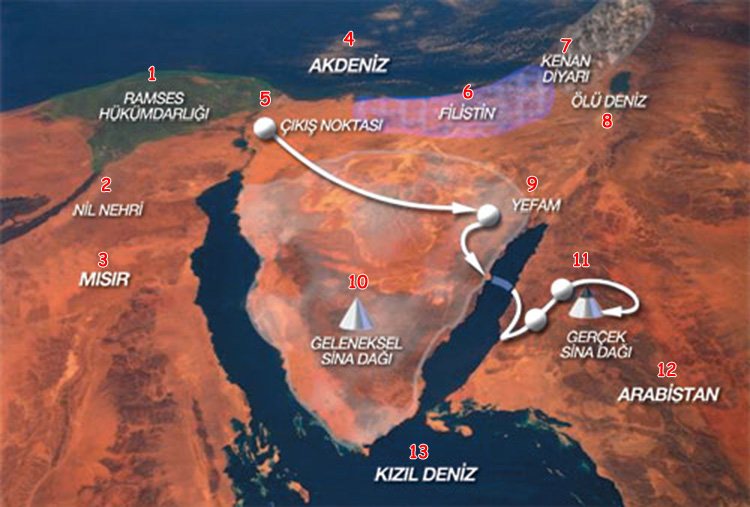
As revealed in the Qur'an, the two communities met at the edge of the sea following this pursuit. Allah divided the sea and saved Prophet Musa and the believers with him, destroying Pharaoh and his people. This aid from Allah is revealed thus:
«So We revealed to Musa, "Strike the sea with your staff." And it split in two, each part like a towering cliff. And We brought the others right up to it. We rescued Musa and all those who were with him. Then We drowned the rest. There is certainly a sign in that yet most of them are not believers. Truly your Lord is the Almighty, the Most Merciful.»
In connection with this subject, the following account has recently been found in papyruses from the time of Pharaoh:
of the lords, the lord of the tribes, the king of the east and the west. The sleep in the waters has made something helpless out of something great. What news can compare to the news I have sent you?284
The fact that past events revealed in the Qur'an are being proved today is definitely an important miracle of the Qur'an.
Following a great deal of study and investigation taking this as the starting point, scientists came to striking conclusions with regard to how the sea was divided into two. These conclusions are in full agreement with those revealed in the Qur'an. The way that historical events described in the Qur'an are today illuminated by historical records is without doubt an important miracle of the Book of Islam.
Naum Volzinger and Alexei Androsov, two Russian mathematicians, proved that Prophet Musa could indeed have parted the sea. Unlike those scientists who concentrated on the probability of such a miracle, the Russian mathematicians investigated the conditions that might have led to the miracle. In turn, this led to the confirmation of the miracle itself.
In addition, Volzinger said that he and his colleague Androsov studied the issue strictly from Isaac Newton's point of view. As he put it, "I am convinced that God rules the Earth through the laws of physics."285
It must not be forgotten that there is always a possibility of this natural phenomenon taking place. If Allah so desires, this miracle can take place again when the requisite conditions-such as windspeed, time and place-are met. However, the truly miraculous aspect here is the fact that these events took place just when Prophet Musa and his tribe were about to be vanquished. The fact that the waters withdrew just as Prophet Musa and the community with him were about to cross them-not to mention the way that the waters returned just as Pharaoh and his army were crossing-is a clear example of the aid that Allah gives to the faithful. Indeed, the way that Prophet Musa relied on and trusted in Allah is an example of the most pleasing moral values:
«And when the two hosts came into sight of one another Musa's companions said, "We will surely be overtaken!" He said, "Never! My Lord is with me and He will guide me.»
The Troubles which Afflicted Pharaoh and Those around Him
Pharaoh and those people close to him were so devoted to their polytheistic system and pagan beliefs that not even message of Prophet Musa, armed with wisdom and spectacular miracles, could soften their hearts and thus turn…
Pharaoh and those people close to him were so devoted to their polytheistic system and pagan beliefs that not even message of Prophet Musa, armed with wisdom and spectacular miracles, could soften their hearts and thus turn them away from baseless superstitions. They also openly stated this fact:
«They said, "No matter what kind of sign you bring us to bewitch us, we will not believe in you.»
Because of their haughty attitude, Allah sent to them afflictions, described as " Signs, clear and distinct " in one verse, in order to punish them for their haughtiness. (Qur'an, 7:133) The first of these was drought. As a result, there was a fall in production. The relevant verse of the Qur'an states:
«We seized Pharaoh's people with years of drought and scarcity of fruits so that hopefully they would pay heed.»
The details in the papyrus regarding the disasters that struck the people of Egypt are just as described in the Qur'an. In the Qur'an, we are told about these catastrophes. This Islamic account of this period of human history has been confirmed by the discovery in Egypt, in the early 19th century, of the Ipuwer papyruses dating back to the Middle Kingdom. After the discovery of this papyrus, it was sent to the Leiden Dutch Museum in 1909 and translated by A. H. Gardiner, a prominent scholar of ancient Egypt. In the papyrus were described such disasters in Egypt as famine, drought and the fleeing of the slaves from Egypt. Moreover, it appears that the writer of the papyrus, one Ipuwer, had actually witnessed these events. This is how the Ipuwer papyrus refers to these catastrophes described in the Qur'an:
The chain of disasters which struck the people of Egypt, according to this document, conforms perfectly with the Qur'anic account of these matters.296
This papyrus, which closely parallels the catastrophes which struck Egypt in the time of Pharaoh, once again demonstrates the Qur'an to be divine in origin.
The Prophet Musa Referred to as a Magician
In papyruses from the time of Pharaoh, Prophet Musa is regularly referred to as a magician. (The papyruses in question are held in the British Museum.) Despite all the best efforts of Pharaoh and his supporters, they were…
Scribe [probably referring to Prophet Musa] fulfilled the purpose to destroy the total amount of cereals… Sorceries are like their bread.
The reference to Prophet Musa, and the "magician" accusations hurled at him, can be found in the following verses:
«They said, "Magician, invoke your Lord for us by the contract He has made with you and we shall certainly follow the guidance.»
Moses was not the only prophet who lived in the lands of Egypt in the history of ancient Egypt. The Prophet Joseph had lived in Egypt long before the time of Moses.
Moses was not the only prophet who lived in the lands of Egypt in the history of ancient Egypt. The Prophet Joseph had lived in Egypt long before the time of Moses.
We encounter a certain parallel while reading about the stories of Moses and Joseph. While addressing the Egyptian ruler at the time of Joseph, the work "malik" (the King) is used in the Qur'an:
«The King (malik) said, 'Bring him (Joseph) to me straight away! so I may draw him very close to me.' When he had spoken with him, he declared, 'Today you are trusted, established in our sight.'»
In contrast, the ruler at Moses' time is referred to as the "Pharaoh":
Historical records available today show us the reason for the different nomenclature of these rulers. The word "pharaoh" was originally the name given to the royal palace in ancient Egypt. The rulers of the old dynasty did not use the title. The use of the word pharaoh as the title of the ruler did not start until the "New Kingdom" era of Egyptian history. This period started with the 18th dynasty (1539-1292 BC), and by the 20th dynasty (945-730 BC) the word "pharaoh" was adopted as title of respect.
Therefore the miraculous nature of the Qur'an is manifested here once again: Joseph lived at the time of the Old Kingdom, and hence the word "malik" was used for the Egyptian ruler rather than "pharaoh". On the contrary, since Moses lived at the time of the New Kingdom, the ruler of Egypt is addressed as "pharaoh".
There is no doubt that one has to have a knowledge of the history of Egypt in order to make such a distinction. However, the history of Ancient Egypt was completely forgotten by the 4th century, as hieroglyphics could no longer be understood, and was not rediscovered until the 19th century. Therefore, there was no in-depth knowledge of Egyptian history available when the Qur'an was revealed. This fact is yet another one of countless pieces of evidence proving that the Qur'an is the word of God.
Nuh's Flood
Prophet Nuh was sent to his people by Allah. They had distanced themselves from the commandments of the Lord and ascribed partners to Him.
«We sent Nuh to his people and he remained among them for fifty short of a thousand years; yet the flood engulfed them while they were wrongdoers.»
Prophet Nuh was sent to his people by Allah. They had distanced themselves from the commandments of the Lord and ascribed partners to Him. Prophet Nuh warned them that they should serve Allah alone and abandon the false worship which they had established in their community. Although Prophet Nuh called on his people with great eloquence and wisdom, and warned them against the punishment of Allah, they rejected the prophet and continued to associate partners to Him. At this, Allah told Prophet Nuh that He would punish the unbelievers by drowning them. But He also informed His Messenger that His mercy would save the believers, those who embraced true religion and worshipped the One and Only god. The destruction of the people of Nuh and the salvation of the believers is described thus in the Qur'an:
«But they denied him so We rescued him and those with him in the ark. And We drowned the people who denied Our signs. They were a blind people.»
When the time of punishment came, the water in the ground combined with violent rains to cause a giant flood. (Allah knows best.) It is revealed that before the flood came, Allah spoke to Prophet Nuh:
«We revealed to him:
"Build the ship under Our supervision and as We reveal. When Our command comes and water bubbles up from the earth, load into it a pair of every species, and your family-except for those among them against whom the word has already gone ahead. And do not address Me concerning those who do wrong. They shall be drowned.»
Apart from those who boarded Prophet Nuh's Ark, the entire tribe was drowned. The dead included the prophet's son who thought he could escape by seeking shelter on a mountain.
«It was said, "Earth, swallow up your water!" and, "Heaven, hold back your rain!" And the water subsided and the affair was concluded and the ark came to land on al-Judi. And it was said, "Away with the people of the wrongdoers!»
Excavations in the region where the flood is believed to have occurred also show that the flood was not a universal event, but a widescale disaster that affected part of Mesopotamia.
Archaeological Evidence for the Flood
If a natural disaster, sudden migration or war, for example, should result in the destruction of a civilisation, traces of that civilisation are well-protected. The houses people lived in and the objects people used in their daily lives are quickly buried under the earth. These are thus conserved for long periods without being touched by human hands. For students of the past, they provide invaluable clues when they are finally brought to light.
In recent times, the discovery of a large amount of evidence concerning Nuh's Flood has come to the attention of the world's most prominent archaeologists and historians. The Flood, believed to have occurred around 3000 B.C., destroyed an entire civilisation and allowed an entirely new one to be founded in its place. That evidence of the Flood was preserved for thousands of years provides a deterrent to those people who have come after this punishment of the wicked.
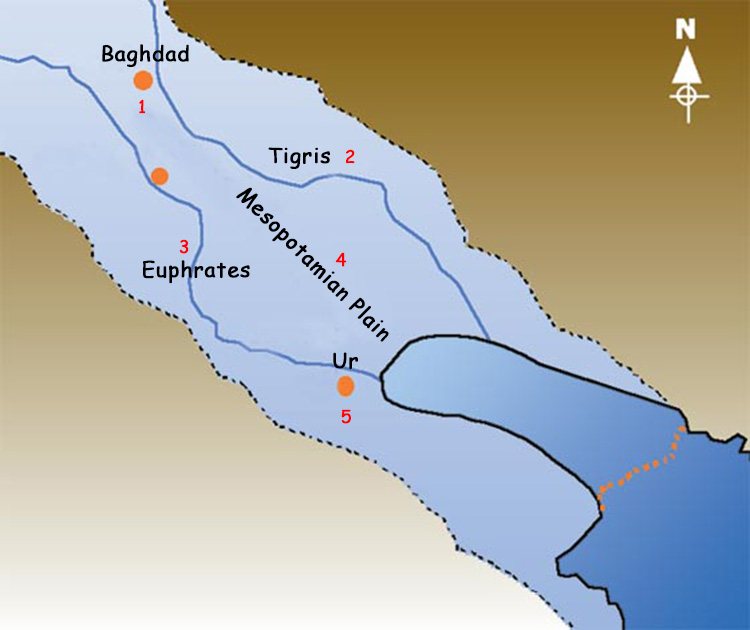
Many excavations have been carried out to study the flood, which was localised on and around the Mesopotamian Plains. Digs in the region have encountered traces of a flood in four main cities on the Mesopotamian Plain: Ur, Erech, Kish and Shuruppak. Excavations in these cities have shown that these cities were hit by flooding around 3000 B.C.
The oldest of the remains of the civilisation in the city of Ur-today known as Tell al Muqqayar-date back to 7000 B.C. The city of Ur, one of the oldest human civilisations, was a settlement region in which consecutive civilisations were born and died.
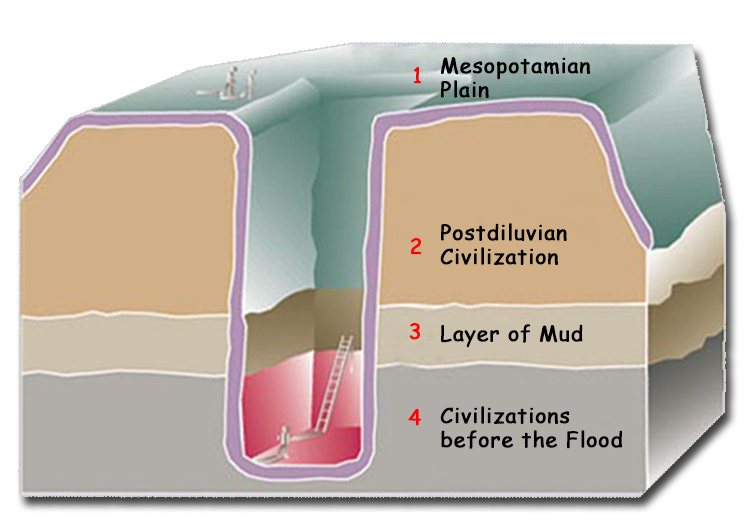
The archaeological discoveries which came from study of Ur unearthed information which clearly informs us that a civilisation there was interrupted by a terrible flood and that new civilisations gradually sprang up in its place. Leonard Woolley led a joint excavation by the British Museum and the University of Pennsylvania in the desert area between Baghdad and the Persian Gulf. Woolley's excavations are described by the German archaeologist Werner Keller as follows:
Microscopic analysis revealed that this great clay deposit beneath the hill at Ur had accumulated here as a result of a flood, one so large and powerful as to annihilate ancient Sumerian civilisation. The epic of Gilgamesh and the story of Nuh were united in this shaft dug deep under the Mesopotamian desert.
Max Mallowan related the thoughts of Leonard Woolley, who said that such a huge mass of alluvium formed in a single time-slice could only be the result of a huge flood disaster. Woolley also described the flood layer, which separated the Sumerian city of Ur from the city of Al- Ubaid whose inhabitants used painted pottery, as the remains of the Flood.299
These facts demonstrated that the city of Ur was one of those places affected by the Flood. The German archaeologist Werner Keller also described the importance of the excavation in question. He has gone on record to say that the yield of city-remains beneath a muddy layer in the archaeological excavations made in Mesopotamia proves that there was indeed a flood in the region.300
Another Mesopotamian city to bear the traces of the Flood is the "Kish of the Sumerians," the present-day Tall Al-Uhaimer. Ancient Sumerian records describe this city as the "seat of the first postdiluvian dynasty."301
The southern Mesopotamian city of Shuruppak, the present-day Tall Fa'rah, also bears evident traces of the Flood. Archaeological investigations were carried out in this city between 1920 and 1930 by Erich Schmidt of the University of Pennsylvania. These excavations uncovered three layers of habitation which stretched from the late prehistoric period to the 3rd dynasty of Ur (2112-2004 B.C.). The most distinctive finds were ruins of well-built houses along with cuneiform tablets of administrative records and lists of words, indicating a highly developed society already in existence toward the end of the 4th millennium B.C.302
When one examines the opinions of these learned scientists, it is clear that they believe that the evidence which supports the Flood account is overwhelming. According to this opinion, this terrible flood took place in or around 3000-2900 B.C. According to Mallowan's account, 4-5 metres below the earth, Schmidt had reached a yellow soil layer (formed by flood) made up of a mixture of clay and sand. This layer was closer to the plain level than the tumulus profile and it could be observed all around the tumulus. Schmidt defined this layer made of mixed clay and sand, which separated the Jemdet Nasr period from the time of Ancient Kingdom, as "a sand with its origins in the river," and associated it with Nuh's Flood.303
In short, the excavations in the city of Shuruppak once again revealed the traces of a flood around 3000-2900 B.C. Together with the other cities, Shuruppak was in all probability struck by the Flood.304
The last settlement containing evidence of being struck by the Flood is the city of Erech, south of Shuruppak. Today, it is known as Tall Al-Warka. As in the other cities, a flood layer was also discovered here. Like the other cities, this flood layer has been dated to 3000-2900 B.C.305
The Euphrates and Tigris rivers divide Mesopotamia from one end to the other. It appears that in the era in question, these two rivers overflowed, together with all other water sources, great and small, combining with rainwater to create an enormous flood. This phenomenon is reported in these terms in the Qur'an:
«So We opened the gates of heaven with torrential water and made the earth burst forth with gushing springs. And the waters met together in a way which was decreed. We bore him on a planked and well-caulked ship.»
When the clues obtained from the research are evaluated, they indicate that the Flood covered all of the Mesopotamian plains. When we look at the succession of cities-Ur, Erech, Shuruppak and Kish-that bear the traces of the Flood, we see that they all lie in a line. In addition, the geographical structure of the Mesopotamian Plain was very different in around 3000 B.C. compared to its constitution today. At that time, the bed of the River Euphrates was much further to the east than it is today, lying on a line passing through Ur, Erech, Shuruppak and Kish. It therefore appears that the Euphrates burst its banks in this region and destroyed the four cities. (Allah knows best.)
Allah imparted the news of Nuh's Flood in order that it should act as a deterrent for those of that time and a valuable lesson to those who were to come after, people like us. By means of the prophets and books, He sent guidance to different societies. However, each time the texts which were brought to the people by Allah's prophets were corrupted from their original forms. Men added cultural, mystical or mythological elements to the true account of the Flood. The Qur'an, because it is from Allah and because He preserves it eternally, is the only source compatible with the archaeological findings of the past.
The City of Iram
At the beginning of 1990, press-releases in the well-known newspapers of the world declared "Fabled Lost Arabian city found," "Arabian city of Legend found" and "The Atlantis of the Sands, Ubar." What rendered this archaeological…
At the beginning of 1990, press-releases in the well-known newspapers of the world declared "Fabled Lost Arabian city found," "Arabian city of Legend found" and "The Atlantis of the Sands, Ubar." What rendered this archaeological find particularly intriguing was the fact that this city is mentioned in the Qur'an. Many people had previously suggested ‘Ad was a legend or that the location in question could never be found. Such people could not conceal their astonishment at this phenomenal discovery.
It was Nicholas Clapp, a noted documentary filmmaker and a lecturer on archaeology, who found this legendary city mentioned in the Qur'an.306
Being an Arabophile and a winning documentary film maker, Clapp had come across a very interesting book during his research on Arabian history. This guide was Arabia Felix, written by the English researcher Bertram Thomas in 1932. Arabia Felix was the Roman designation for the southern part of the Arabian Peninsula which today includes Yemen and much of Oman. The Greeks called this area "Eudaimon Arabia" and medieval Arab scholars called it "Al-Yaman as- Sa’eed."307
All of these names mean "Happy Yemen," because the people living in that region used to serve as middlemen in the lucrative spice trade between India and places north of the Arabian Peninsula. In addition, the people living in this region produced and distributed "frankincense," an aromatic resin from rare trees.
The English researcher Thomas described these tribes at length and claimed that he found the traces of an ancient city founded by one of these tribes.308
This was the city known as "Ubar" by the Bedouins. In one of the trips he made to the region, the Bedouins living in the desert had shown him well-worn tracks and stated that these tracks led toward the ancient city of Ubar. Thomas, who showed great interest in the subject, died before being able to complete his research.
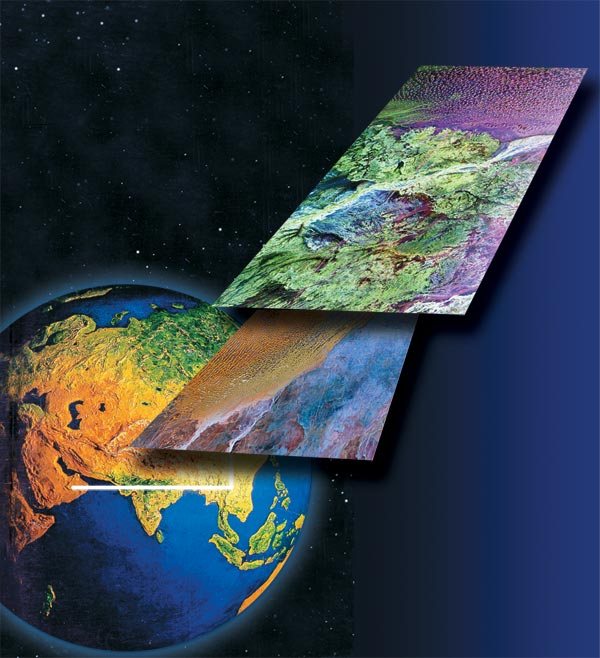
Clapp, who examined what the English researcher Thomas wrote, was convinced of the existence of the lost city described in the book. He quickly started his research, attempting to carry on from where Thomas had left the project. Clapp took two different approaches in his mission to prove the existence of Ubar. First, he found the tracks which the Bedouins said existed and in order to aid his work, he applied to NASA to provide the satellite images of the area. After a long struggle, he succeeded in persuading the authorities to take the pictures of the region he so craved.309
Clapp went on to study the ancient manuscripts and maps in the Huntington library in California. Here, he quickly found a map covering the region he was studying so intensely. He found a map drawn by the Greek-Egyptian geographer Ptolemy in 200, which showed the location of an old city found in the region and the paths which actually led up to this city.
Meanwhile, his research received a further boost when he received the news that satellite photographs had been taken by members of NASA. In the pictures, caravan trails, which were virtually invisible to the naked eye, caught Clapp's attention. They could only be seen as a whole from the sky. Comparing these pictures with the old map he had in hand, Clapp immediately realised that the trails in the old map corresponded with the trails in the pictures taken from the satellite. The final destination of these trails was a broad site understood to have once been a city.
Finally, thanks to the work of Clapp and Thomas before him-along with a helping hand from NASA researchers-the location of this legendary city, which had been subject of the stories told orally by the Bedouins, was discovered. After a short while, excavations began and remains of an old city were brought to light. This lost city was dubbed "Ubar, the Atlantis of the Sands."
But let us ask: What was it that proved this to be the city of the people of ‘Ad mentioned in the Qur'an?
From the very beginning of the study of the site, it was understood that this ruined city belonged to ‘Ad. Researchers discovered Iram's pillars, which were specifically mentioned in the Qur'an, in the form of towers in the land of the people of ‘Ad. Dr. Juris Zarins, a member of the research team leading the excavation, said that since the towers were alleged to be the distinctive feature of Ubar and since Iram was mentioned as having towers or pillars, this then was the strongest proof so far that the site they had unearthed was Iram, the city of ‘Ad described in the Qur'an:
«Don't you see what your Lord did with ‘Ad-Iram of the columns whose like was not created in any land?»
As seen, that the information provided by the Qur'an about the events of the past is in total agreement with historical information is another evidence of the fact that the Qur'an is the word of Allah.
The Cities of Sodom and Gomorrah
Prophet Lut lived at the same time as Prophet Ibrahim and was sent as a messenger to a neighbouring tribe to Prophet Ibrahim.
Prophet Lut lived at the same time as Prophet Ibrahim and was sent as a messenger to a neighbouring tribe to Prophet Ibrahim. That tribe, according to the Qur'an, practiced a perversion never before seen in the world: homosexuality. When Prophet Lut told the people to abandon one of the greatest sins and delivered to them the message of Allah, they rejected him. They denied that he was a prophet and continued with their horrid lifestyle. As a result of this, the tribe was destroyed in a terrible disaster by Allah.
«And Lut, when he said to his people, "Do you commit an obscenity not perpetrated before you by anyone in all the worlds? You come with lust to men instead of women. You are indeed a depraved people.»
«[Our messengers said to Lut,] " We will bring down on the inhabitants of this city a devastating punishment from heaven because of their deviance." We have left a clear sign of them behind for people who use their intellect.»
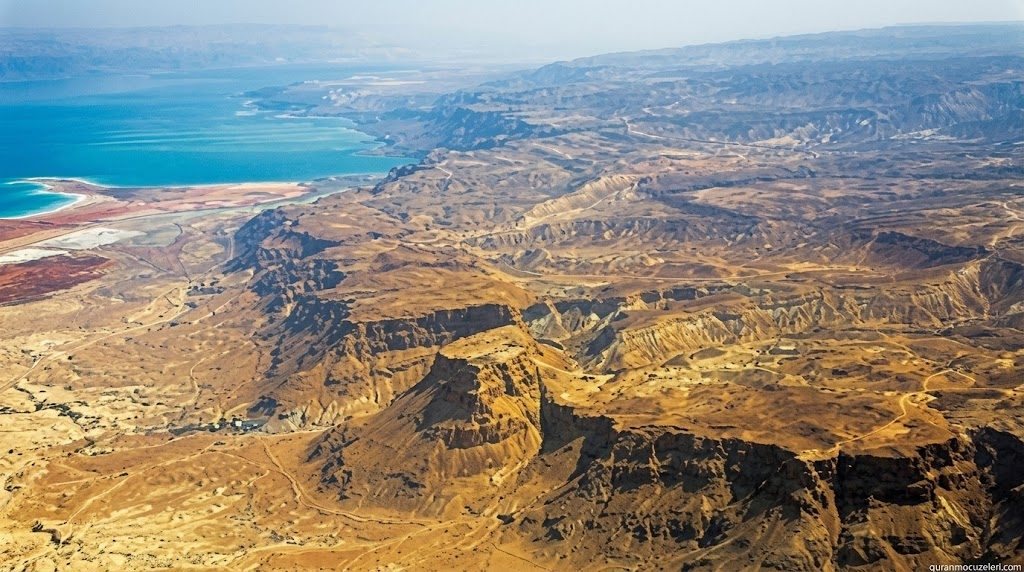
Sulphur is an element which appears as a result of volcanic eruptions. Indeed, there is clear evidence in the Qur'an that the method of destruction was earthquake and volcanic eruptions. The German archaeologist Werner Keller says this about the region:
These layers of lava and basalt are the most important evidence showing that a volcanic eruption and earthquake once took place there. In any event Lake Lut, otherwise known as the Dead Sea, lies directly above a seismically active region-in other words, an earthquake belt:
The technical aspect of the disaster suffered by the people of Lut has been revealed in studies carried out by geologists. These have shown that the earthquake which wiped out the people of Lut came about as the result of a very long fault line. The Jordan River drops a total of 180 metres (590 feet)during its 190 km (118 miles)course. This, and the fact that the Dead Sea is 400 metres below sea level, combined to prove that there once took place a major geological event in and around this area.
All these remains and geographical features show that there was a major geological event at the Dead Sea.
The December 1957 edition of National Geographic contained these statements312 on the subject:
One of the pieces of information regarding this destroyed city isas revealed in Surat al-Hijr 76-that these cities are still on the main line. Geographers have identified this region as being on a line to the southeast of the Dead Sea, extending from the Arabian Peninsula to Syria and Egypt.
«We turned the place completely upside down and rained down on them stones of hard-baked clay. There are certainly signs in that for the discerning. They were beside a road which still exists. There is certainly a sign in that for the believers.»
Many centuries ago, the community of Saba was one of the four biggest civilisations which lived in South Arabia.
Many centuries ago, the community of Saba was one of the four biggest civilisations which lived in South Arabia.
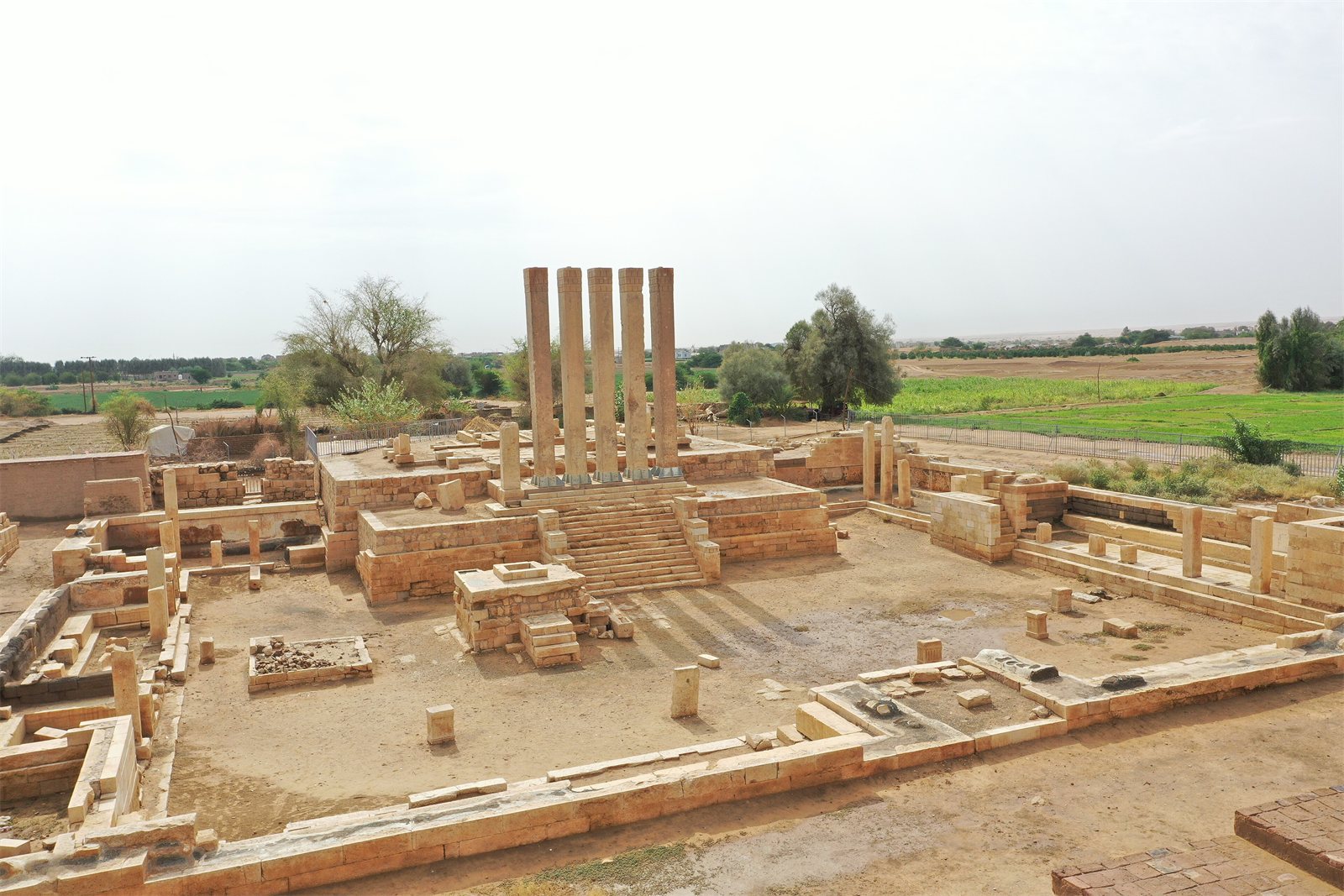
Historical sources relating to Saba usually say that this was a culture akin to that of the Phoenicians. It was particularly involved in commercial activities. The Sabaeans are recognised by historians as a civilised and cultured people. In the inscriptions of the rulers of Saba, words such as "restore," "dedicate" and "construct" are frequently used. The Ma'rib Dam, which is one of the most important monuments of this people, is an important indication of the technological level this people had reached.
The Sabaean state had one of the strongest armies in the region and was able to adopt an expansionist policy thanks to its potent army. With its advanced culture and army, the Sabaean state was without question one of the "super powers" of the region at the time. This extraordinarily strong army of the Sabaean state is also described in the Qur'an. An expression of the commanders of the Saba army related in the Qur'an, shows the extent of the confidence this army had in itself. The commanders call out to the female ruler (Queen) of the state:
«… "We possess strength and we possess great force. But the matter is in your hands so consider what you command.»
Because of the Ma'rib Dam which had been constructed, with the help of quite advanced technology for that particular era, the people of Saba possessed an enormous irrigation capacity. The fertile soil they acquired by virtue of this technique and their control over the trade route permitted them a splendid lifestyle, full of well-being. However, instead of giving thanks to Allah for all this, the Qur'an informs us that they actually "turned away from Him." Furthermore, they refused to heed the warnings and reminders issued to them. Because of these poor moral values, they merited punishment in the sight of Allah and their dams collapsed and the flood of Arim ruined all their lands.
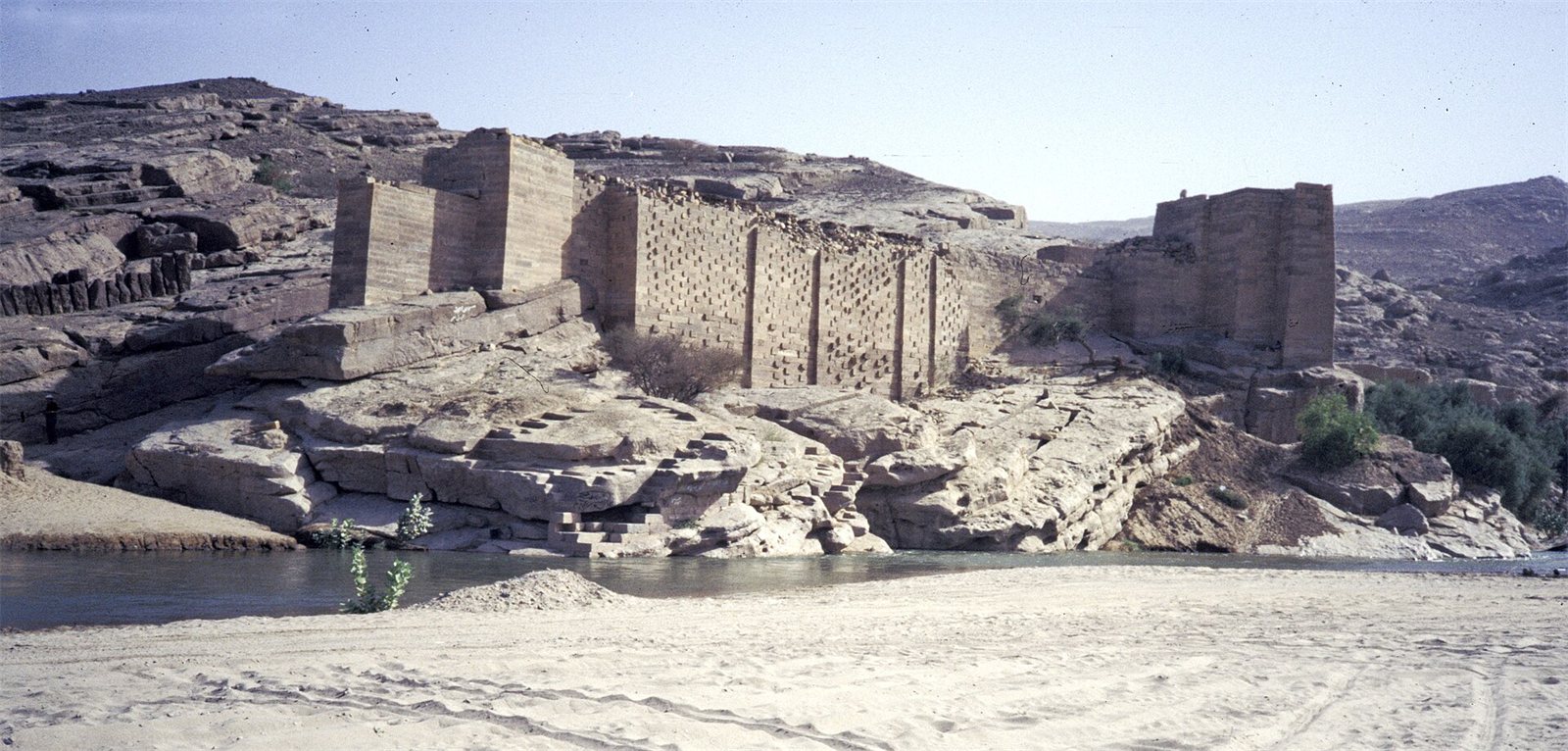
The capital city of the Sabaean state was Ma'rib, which was extremely wealthy thanks to its advantageous geographical position. The capital city was very close to the River Adhanah. The point where the river reached Jabal Balaq was very suitable for the construction of a dam. Making use of this condition, the Sabaean people constructed a dam at this location at the time when their civilisation was first established, and they began irrigation. As a result, they reached a very high level of economic prosperity. The capital city, Ma'rib, was one of the most developed cities of the time. The Greek writer Pliny, who had visited the region and greatly praised it, also mentioned how green this region was.314
The height of the dam in Ma'rib was 16 metres (52.5 feet), its width was 60 metres (197 feet) and its length was 620 metres (2,034 feet). According to the calculations, the total area that could be irrigated by the dam was 9,600 hectares (37 square miles), of which 5,300 hectares (20.5 square miles)belonged to the southern plain. The remaining part belonged to the northern plain. These two plains were referred to as "Ma'rib and two plains" in the Sabaean inscriptions.315
The expression in the Qur'an, " two gardens to the right and to the left ," points to the imposing gardens and vineyards in these two valleys. Thanks to this dam and its irrigation systems, the region became famous as the best irrigated and most fruitful area of Yemen. The Frenchman J. Holevy and the Austrian Glaser proved from written documents that the Ma'rib dam existed since ancient times. In documents written in the Himer dialect, it is related that this dam rendered the territory very productive and was the heartbeat of the economy.
The dam that collapsed in 542 led to the flood of Arim and caused enormous damage. The vineyards, orchards and fields cultivated for hundreds of years by the people of Saba were completely destroyed. Following the collapse of the dam, the people of Saba appear to have entered a period of rapid contraction, at the end of which the Sabaean state came to an end.
When we examine the Qur'an in the light of the historical data above, we observe that there is very substantial agreement here. Archaeological findings and the historical data both verify what is recorded in the Qur'an. As mentioned in the verse, these people, who did not listen to the exhortations of their Prophet and who rejected faith, were in the end punished with a dreadful flood. This flood is described in the Qur'an in the following verses:
«There was, for Saba, aforetime, a sign in their home-land-two gardens to the right and to the left. "Eat of the sustenance [provided] by your Lord, and be grateful to Him: a territory fair and happy, and a Lord Oft- Forgiving!" But they turned away [from Allah], and We sent against them the flood [released] from the dams, and We converted their two garden [rows] into "gardens" producing bitter fruit, and tamarisks, and some few [stunted] lote-trees. That was the Requital We gave them because they ungratefully rejected faith:
And never do We give [such] requital except to such as are ungrateful rejecters.»
In the Qur'an, the punishment sent to the Sabaean people is named as " sayl al-’arim " which means the "flood of Arim." This expression used in the Qur'an also tells us the manner in which this disaster occurred. The word " ’arim " means dam or barrier. The expression " sayl al-’arim " describes a flood that came about with the collapse of this barrier. Islamic commentators have resolved the issue of time and place being guided by the terms used in the Qur'an about the flood of Arim. For example, Mawdudi writes in his commentary:
den [rows] into gardens producing bitter fruit, and tamarisks, and some few [stunted] lote-trees " (Qur'an, 34:16). That is, after the collapse of the
The Christian archaeologist Werner Keller, writer of " Und Die Bible Hat Doch Recht " (The Holy Book Was Right), accepted that the flood of Arim occurred according to the description of the Qur'an and wrote that the existence of such a dam and the destruction of the whole country by its collapse proves that the example given in the Qur'an about the people of the garden was indeed realised.317
After the disaster of the Arim flood, the region started to turn into a desert and the Sabaean people lost their most important source of income. Their lands, which had been agricultural havens of prosperity and financial strength, disappeared. The people, who had not heeded the call of Allah to believe in Him and to be grateful to Him, were in the end punished with this disaster.
The People of Al-Hijr
The people of Thamud are a tribe mentioned in the Qur'an about whom a substantial amount is known. Historical sources confirm that a people known as the Thamud existed many years ago.
The people of Thamud are a tribe mentioned in the Qur'an about whom a substantial amount is known. Historical sources confirm that a people known as the Thamud existed many years ago. It is believed that the people of al-Hijr referred to in the Qur'an are actually the same people as Thamud, because another name for Thamud is " Ashaab al- Hijr. " That being the case, the word "Thamud" may be the name of a people and al-Hijr one of the cities they founded. In fact, this is exactly what is suggested by the descriptions of the Greek geographer Pliny, who wrote that Thamud lived in places called Domotha and Hegra, the present-day city of Hijr.318
The oldest known historical source to refer to Thamud are the Babylonian state records. They relate the details of the victory of King Sargon II of Babylon over that people in the 8th century B.C. Sargon defeated them in a war in Northern Arabia. The Greeks also mention this people and Aristotle, Ptolemy and Pliny refer to them as the "Thamudaei" i.e. "Thamud."319
All trace of them vanished before the time of our Prophet in around 400-600.
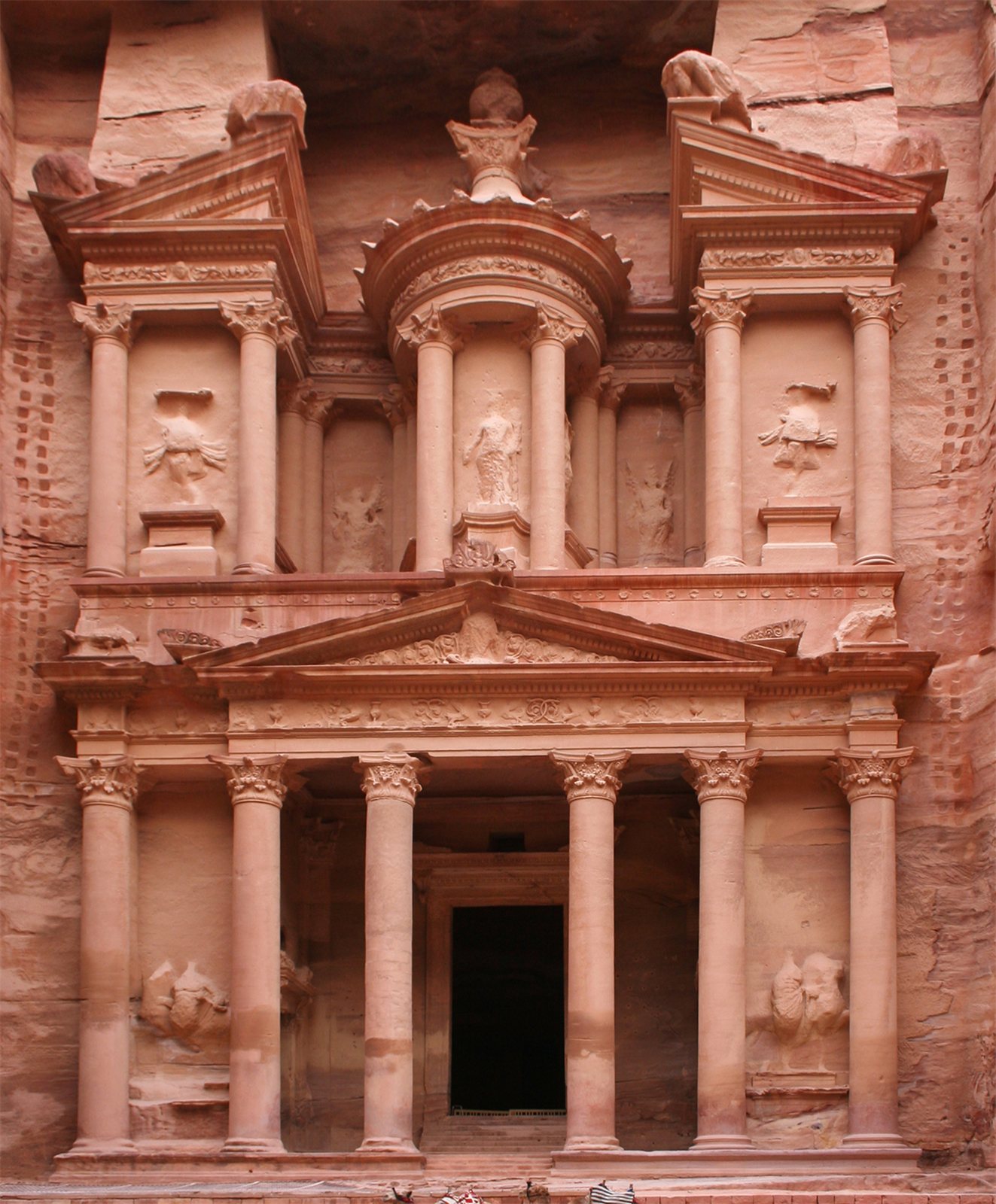
Today, one can see the finest examples of these peoples' stonework in the ancient city of Petra, in southwest Jordan. Indeed, the Qur'an refers to their expertise in stonework thus:
«[Salih said to his people,] "Remember when He appointed you successors to 'Ad and settled you in the land. You built palaces on its plains and carved out houses from the mountains. Remember Allah's blessings and do not go about the earth, corrupting it.»
The Tsunami Effect in the Prophet Moses’ Parting of the Sea
The Egyptian monarchs known as the pharaohs regarded themselves as divine beings. This was fundamental part of the polytheistic, superstitious religious beliefs prevalent in ancient Egypt.
«So We revealed to Moses, 'Strike the sea with your staff.' And it split in two, each part like a towering cliff.»
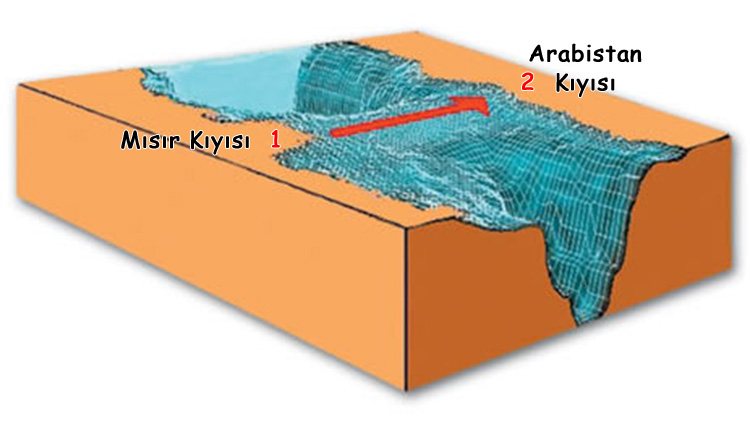
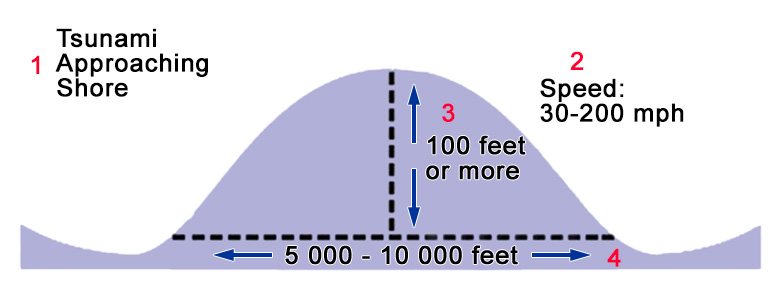
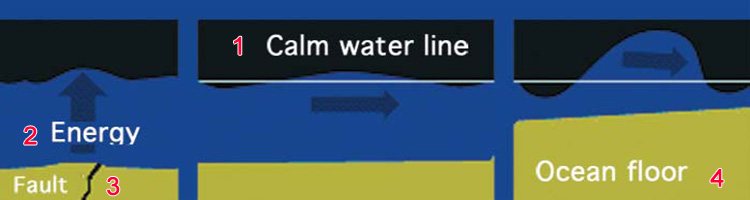
1. Tsunami approaching shore 2. Speed: 30-200 mph 3. 100 feet or more 4. 5 000 - 10 000 feet
«So We revealed to Moses, 'Strike the sea with your staff.' And it split in two, each part like a towering cliff. And We brought the others right up to it. We rescued Moses and all those who were with him. Then We drowned the rest. There is certainly a Sign in that yet most of them are not believers. Truly your Lord is the Almighty, the Most Merciful.»
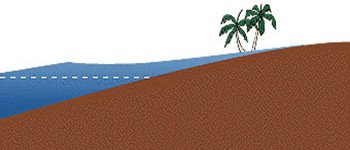
The Arabic word "idrib," translated as "strike" in the first of these verses, also means "to open, divide or separate." In the light of this expression and what happened subsequently, the verse may be a reference to the formation of tsunami waves. (Allah knows the truth.) Tsunami waves cause large amounts of water to shift and they can give way to the emergence of earth on shallow grounds. In the time of the Prophet Moses, as with the tsunami waves, the waters might have pulled back some hundreds of meters and this might have caused the parting of the sea. (Allah knows the truth.)
Tsunami Formation
Stage 1—Beginning
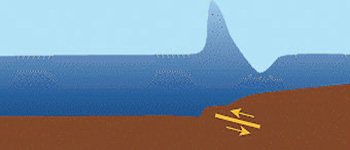
If the tsunami acts like an earthquake, the sea floor is moved up or down. As a result the mass of water moves up or down.
Stage 2 —Separation
Within a few minutes, the tsunami that starts to form divides in two, one part moving toward the depths of the ocean, the other reaching the coast.
Stage 3—Elevation
The tsunami wave reaching the shore rises up like a huge wave when it reaches the land.
Stage 4- Wave impact
The leading wave becomes pointed and appears to rise even higher. The first part of the wave to hit the land is convex in shape, which is why the water initially seems to be pulling away from the land.
In addition, the waters are compared to mountains in the above verse. The waters collected in a tsunami form a giant peak320 and resemble a mountain seen from below. As with mountains, the base of this extraordinary phenomenon is very broad and strong. In tsunamis, the depth of the water declines while the mass of the wave expands and rises in height. Tsunamis may be up to 30 meters high.321 It is therefore very significant how the waters are likened to a mountain in this Qur’anic passage.
Tsunamis are very different to the waves we are familiar with, and are a movement of the entire depth of water. This is not generally restricted to the surface, and may stretch for several kilometers. They thus possess high levels of energy and move amazingly quickly.322 Scientific statements say this about tsunamis:
In fact the tsunami crest is just the very tip of a vast mass of water in motion... Wind-driven waves and swells are confined to a shallow layer near the ocean surface, a tsunami extends thousands of feet deep into the ocean…. Survivors of tsunami attacks describe them as dark "walls" of water. Impelled by the mass of water behind them, the waves bulldoze onto the shore and inundate the coast...
1. Calm water line 2. Energy 3. Fault 4. Ocean Floor
... The contours of the sea floor and coastline have a profound influence on the height of the waves -- sometimes with surprising and dangerous results. During the 1993 tsunami attack on Okushiri, Japan, the wave "run up" on the coast averaged about 15 to 20 meters (50 - 65 feet). But in one particular spot, the waves pushed into a V-shaped valley open to the sea, concentrating the water in a tighter and tighter space. In the end, the water ran up to 32 meters (90 feet) above sea level, about the height of an 8-story office building.323
Past events described in the Qur'an are in complete agreement with present-day historic evidence and scientific advances – this is, without doubt, one of the great miracles of the Qur'an. The waters parted when the Prophet Moses and his companions needed to cross yet they closed again over the heads of Pharaoh and his army – this is a clear instance of Allah’s Love for true believers. Indeed, the Prophet Moses displayed an excellent example of proper moral values by trusting in Allah in that most difficult moment:
«And when the two hosts came into sight of one another Moses' companions said, 'We will surely be overtaken!' He said, 'Never! My Lord is with me and He will guide me.'»
Scientific Facts in the Story of the Flood of Noah
The Prophet Noah spent many years advising the people to whom he was sent as a Prophet to put an end to ascribing partners to Allah and abandon their improper behavior or they would pay a heavy price.
«We sent Noah to his people and he remained among them for fifty short of a thousand years; yet the Flood engulfed them while they were wrongdoers.»
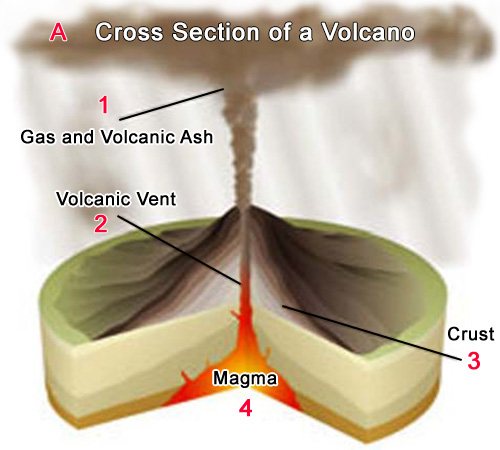
A.Cross Section of a Volcano 1. Gas and Volcanic Ash 2. Volcanic Vent 3. Crust 4. Magma The term “the oven gushed forth” in the verse refers to boiling lava being ejected from within the mountain. (Allah knows the truth.)
Cross Section of a Volcano
The Prophet Noah spent many years advising the people to whom he was sent as a Prophet to put an end to ascribing partners to Allah and abandon their improper behavior or they would pay a heavy price. Even though he warned his people about the wrath of Allah several times, they still disbelieved in him and continued to worship a number of false “gods” and idols. At this, Allah told the Prophet Noah that He would punish those who denied Him by drowning them, but that believers would be saved. The destruction of the people of Noah and the salvation of those who believed is described as follows in the Qur'an:
«But they denied him so We rescued him and those with him in the Ark. And We drowned the people who denied Our Signs. They were a blind people.»
The events that took place when the time for Allah's promised punishment came are described thus:
«So when Our command came, and water bubbled up from the earth, We said, 'Load into it a pair of every species, and your family –except for those against whom the Word was preordained– and all who believe.' But those who believed with him were only few.»
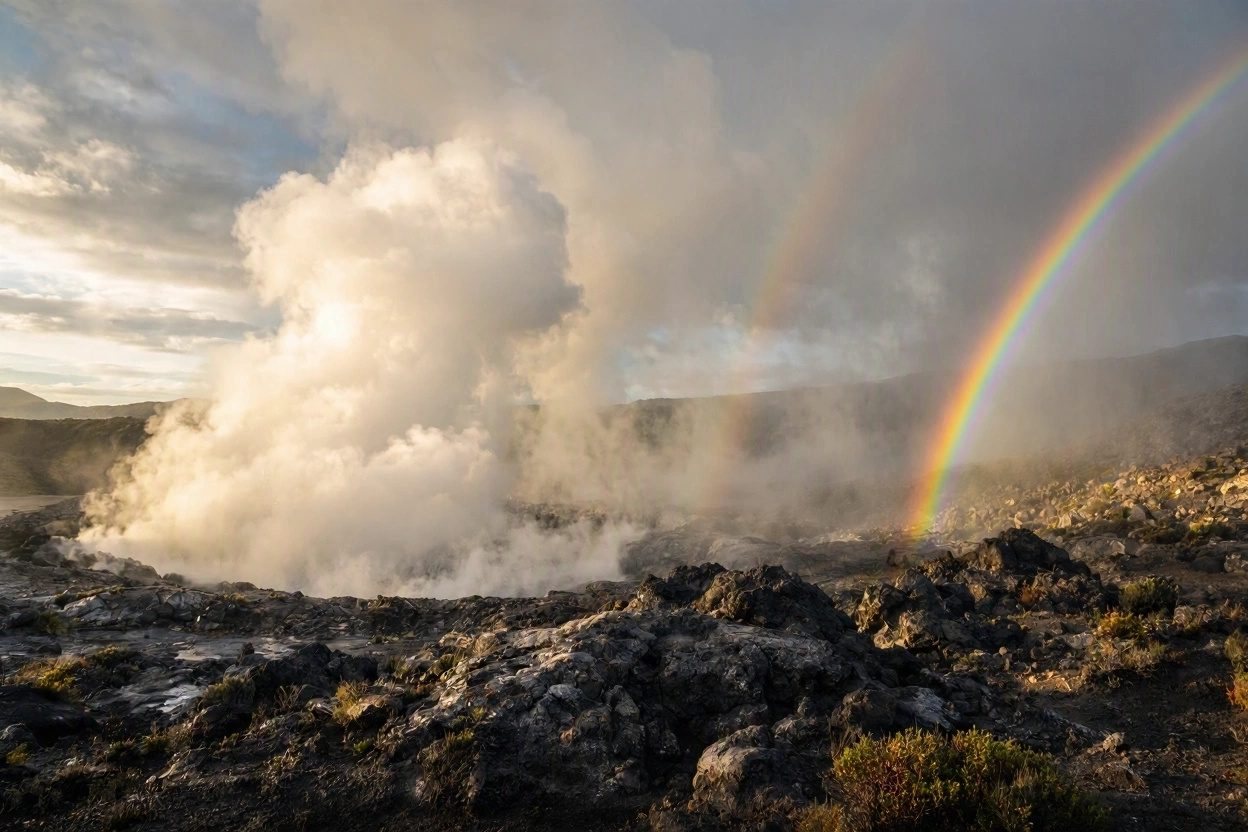
The beginning of the punishment is described as when "water bubbled up from the earth." The Arabic word translated as "earth" is"alttannooru". This describes a kind of oven made by digging a hole in the ground, and therefore refers to the volcanic fire inside a mountain. (Allah knows the truth.) The Arabic word "wafara" in the verse means "burned strongly, produced bubbles, boiled up, boiled over, produced a foam". Therefore, the reference in the verse would seem to be to the flowing, molten lava in the mountain.
In another verse, the moment when Prophet Noah boarded the Ark is dubbed "when water bubbles up from the earth". This may also be a reference to hot steam or smoke rising from a volcano immediately before an eruption:
«We revealed to him:
'Build the Ship under Our supervision and as We reveal. When Our command comes and water bubbles up from the earth, load into it a pair of every species, and your family – except for those among them against whom the Word has already gone ahead. And do not address Me concerning those who do wrong. They shall be drowned.»
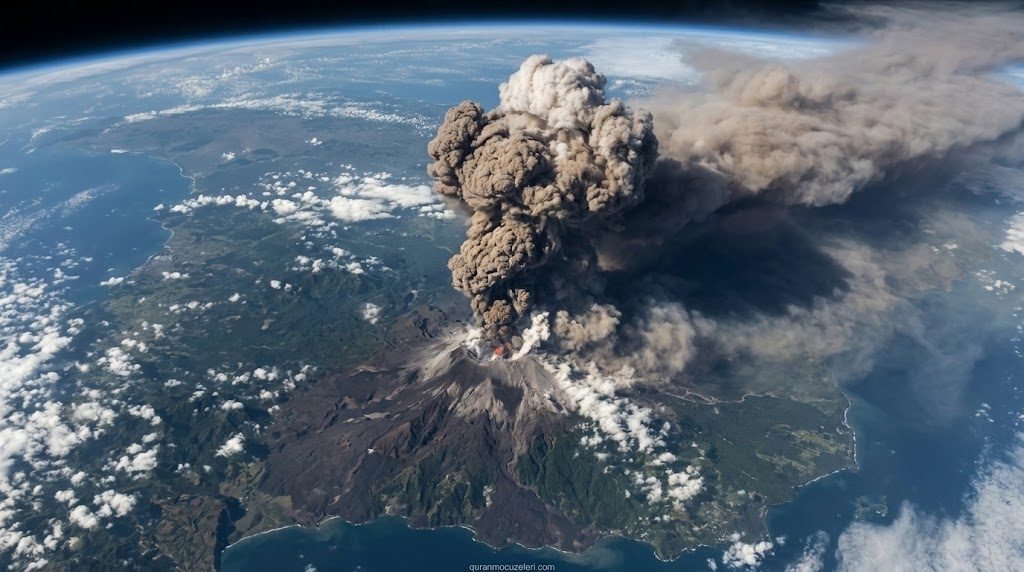
Photograph of the Cleveland Volcano in Alaska taken from the International Space Station.
The molten lava flowing in the wake of the eruption may have caused the ice on the mountain to melt. Intense steam was caused by the combination of heat and cold – meanwhile, the molten lava flowed into the sea may have given rise to intense rains. Flooding was the result of these phenomena, and sources of water on land may also have overflowed as a consequence of the severe rains. (Allah knows the truth.)
«So We opened the gates of heaven with torrential water and made the earth burst forth with gushing springs. And the waters met together in a way which was decreed. We bore him on a planked and well-caulked ship.»
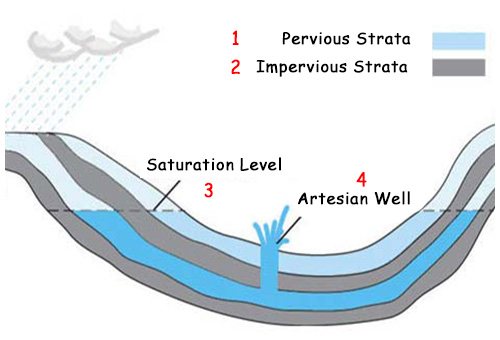
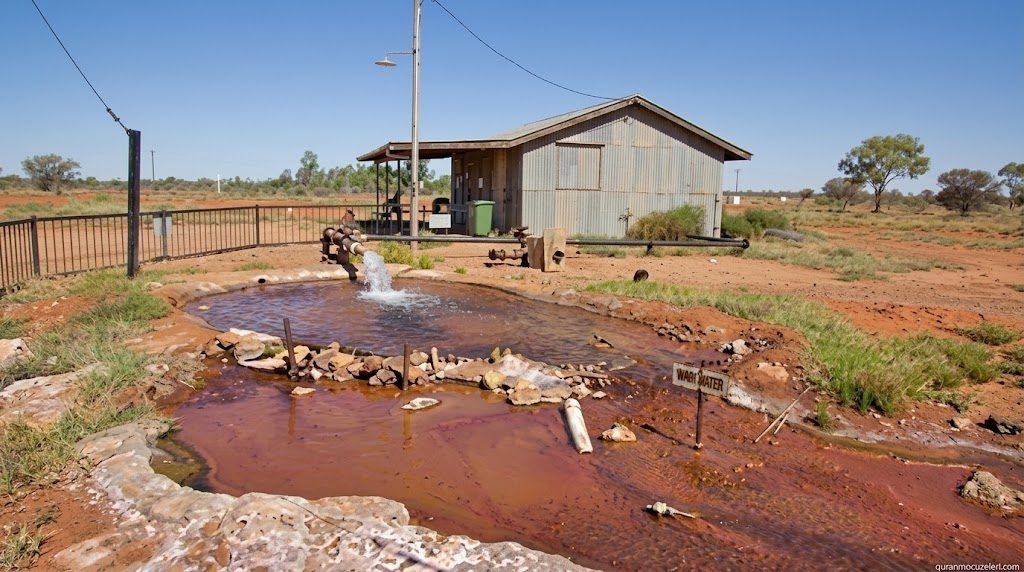
1. Pervious Strata 2. Impervious Strata 3. Saturation Level 4. Artesian Well The words “Earth, swallow up your water” in the verse may be a reference to water on the ground being pulled underground, as with artesian waters. (Allah knows the truth.)
Whilst those who boarded the Prophet Noah’s Ark were saved, those that had rejected Allah’s Messenger was drowned. This group included the Prophet Noah’s own son who mistakenly imagined he could escape by seeking refuge on a mountain nearby:
«It sailed with them through mountainous waves, and Noah called out to his son, who had kept himself apart, 'My son! Come on board with us. Do not stay with the unbelievers!' He said, 'I will take refuge on a mountain; It will protect me from the flood.' He said, 'There is no protection from Allah's command today except for those He has mercy on.' The waves surged in between them and he was among the drowned.»
When the flood waters finally receded, the Ark settled on al-Judi, meaning a very high place:
«It was said, 'Earth, swallow up your water!' and, 'Heaven, hold back your rain!' And the water subsided and the affair was concluded and the Ark came to land on al-judi. And it was said, 'Away with the people of the wrongdoers!'»
Shortly after, when the mountains stopped churning forth lava, the waters resumed their former equilibrium as the air cooled down and withdrew back underground. Some of the water may also have risen into the air as water vapor. Later, the water level returned to normal. Allah's command to the earth to "swallow!" and to the sky to "hold back!"summarizes this process extremely concisely. The Arabic word "belea,"which appears in the verse in the form"ibla’ee," means "swallow up and eliminate, pull back." The reference to the earth swallowing up its water notes the formation of subterranean water sources – this all happens as the water on the surface retreats underground again. The Arabic verb "aklaa", which takes the form "aqli’ae" in the verse, means "the dispersal of clouds, rain stopping, or abandoning a matter or course of action." The description is therefore one of the air cooling down as lava stops flowing. Then rain then stops because the water vapor level in the air returns to normal - and finally, this vapor in the clouds disperses into the air. (Allah knows the truth.)
This chain of events, in complete agreement with the scientific facts only established in the last century or so, is detailed with brilliant accuracy in the Qur'an. It is just one of the proofs that Islam’s Holy Book—comprising information about many branches of science, such as geography, geology and meteorology—is in complete harmony with the science of today.