The Byzantine victory and the lowest land on Earth
Surat ar-Rum foretold that Byzantium, after a crushing defeat, would be victorious within a few years — and so it was. The verse also says the defeat took place in “the lowest land”: the Dead Sea basin is indeed the lowest land on Earth.
“Geography” and “Timeline” modes
613–614: Byzantium defeated at Antioch and Jerusalem
622 / 627: Heraclius defeated the Persians
≈ 400 m: the Dead Sea basin below sea level
Another astonishing piece of revelation that the Qur'an gives about the future is to be found in the first verses of Sura Rum, which refers to the Byzantine Empire, the eastern part of the later Roman Empire. In these verses, it is stated that the Byzantine Empire had met with a great defeat, but that it would soon gain victory.
«Elif, Lam, Mim. The Romans have been defeated in the lowest land, but after their defeat they will themselves be victorious in a few years' time. The affair is God's from beginning to end.»
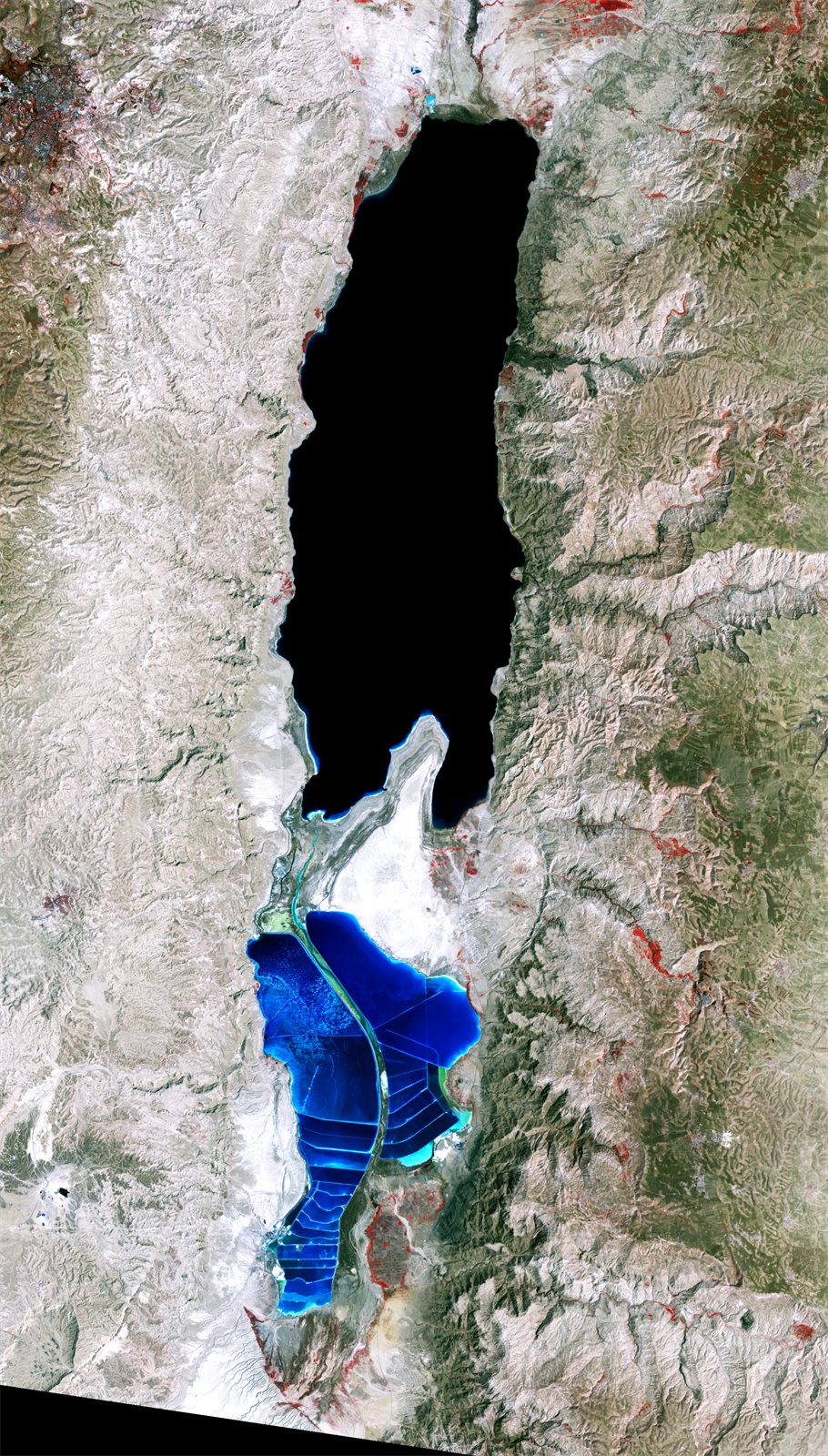
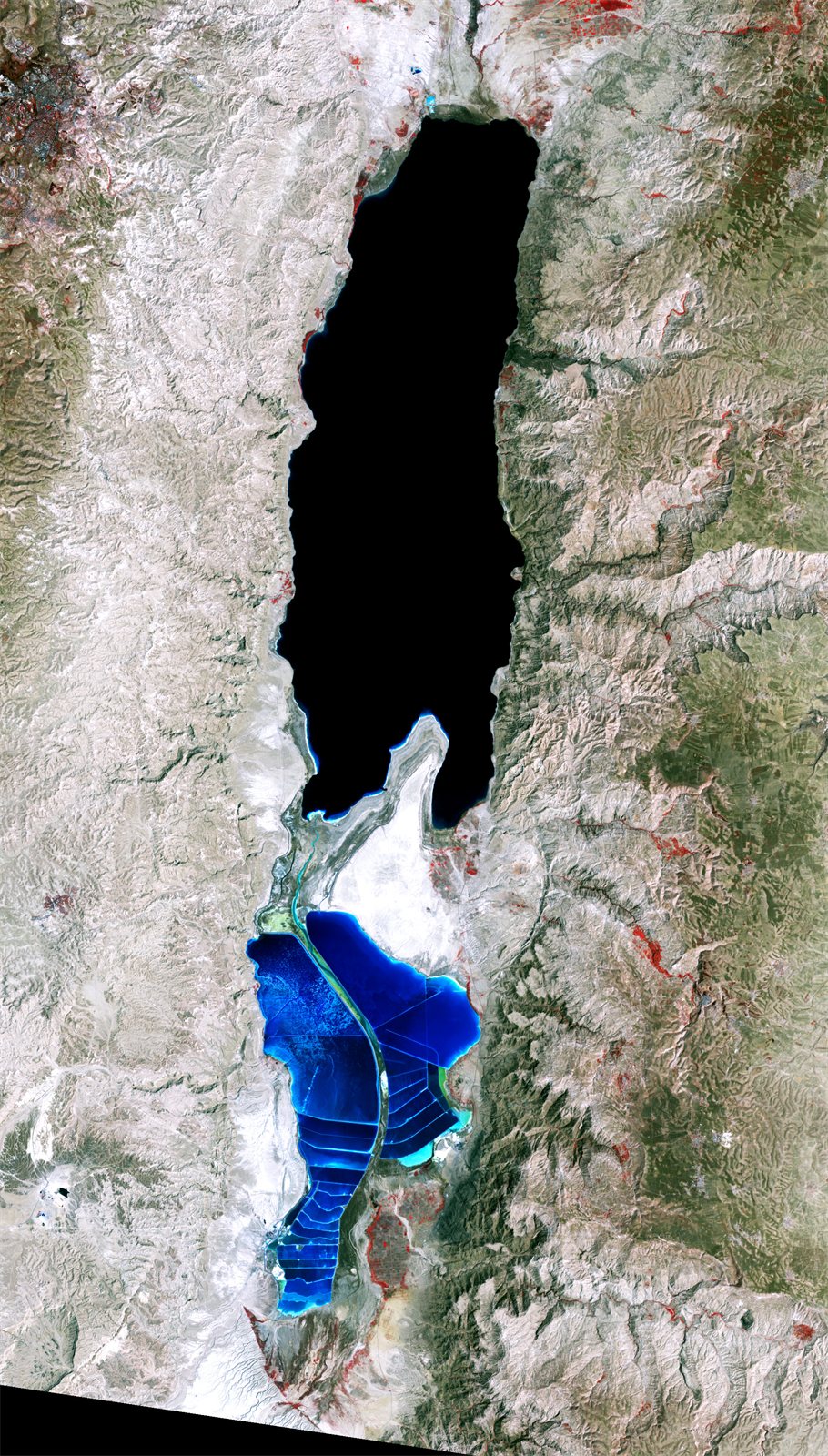
Above is a satellite photograph of the Dead Sea basin. The altitude of the Dead Sea could only be determined with modern measurement techniques. These measurements led to the discovery that this is the "lowest region on the Earth".
These verses were revealed around 620 AD, almost seven years after the severe defeat of Christian Byzantium at the hands of the idolater Persians. Yet it was related in the verses that Byzantium would shortly be victorious. In fact, Byzantium had then suffered such heavy losses that it seemed impossible for it even to survive, let alone be victorious again. Not only the Persians, but also Avars, Slavs and Lombards posed serious threats to the Byzantine Empire. The Avars had reached as far as the walls of Constantinople. The Byzantine Emperor Heraclius had ordered the gold and silver in churches to be melted and turned into money in order to meet the expenses of the army. When these proved insufficient, even bronze statues were melted down to be turned into money. Many governors had revolted against Emperor Heraclius, and the empire was on the point of collapse. Mesopotamia, Cilicia, Syria, Palestine, Egypt and Armenia, which had earlier belonged to Byzantium, were invaded by the idolater Persians.257
In short, everyone was expecting the Byzantine Empire to be destroyed. But right at that moment, the first verses of Sura Rum were revealed, announcing that Byzantium would triumph in a few years' time. This victory seemed so impossible that Arab polytheists had gone so far as to make fun of these verses. They thought that the victory announced in the Qur'an would never come true.
Around seven years after the revelation of the first verses of Sura Rum, in December 627 AD, a decisive battle between Byzantium and the Persian Empire was fought at Nineveh. And this time the Byzantine army unexpectedly defeated the Persians. A few months later, the Persians had to make an agreement with Byzantium, which obliged them to return the territories they had taken from it.258
At the end, "the victory of the Romans," proclaimed by God in the Qur'an, miraculously came true.
Another miracle revealed in these verses is the announcement of a geographical fact that could not have been known by anyone at that time.
In the third verse of Sura Rum, we are informed that the Romans had been defeated in the lowest region of the Earth. This expression, "Adna al Ard" in Arabic, is interpreted as "a nearby place" in many translations. Yet this is not the literal meaning of the original statement, but rather a figurative interpretation of it. The word "Adna" in Arabic is derived from the word "deni", which means "low" and "ard", which means "world". Therefore the expression "Adna al Ard" means "the lowest place on the Earth".
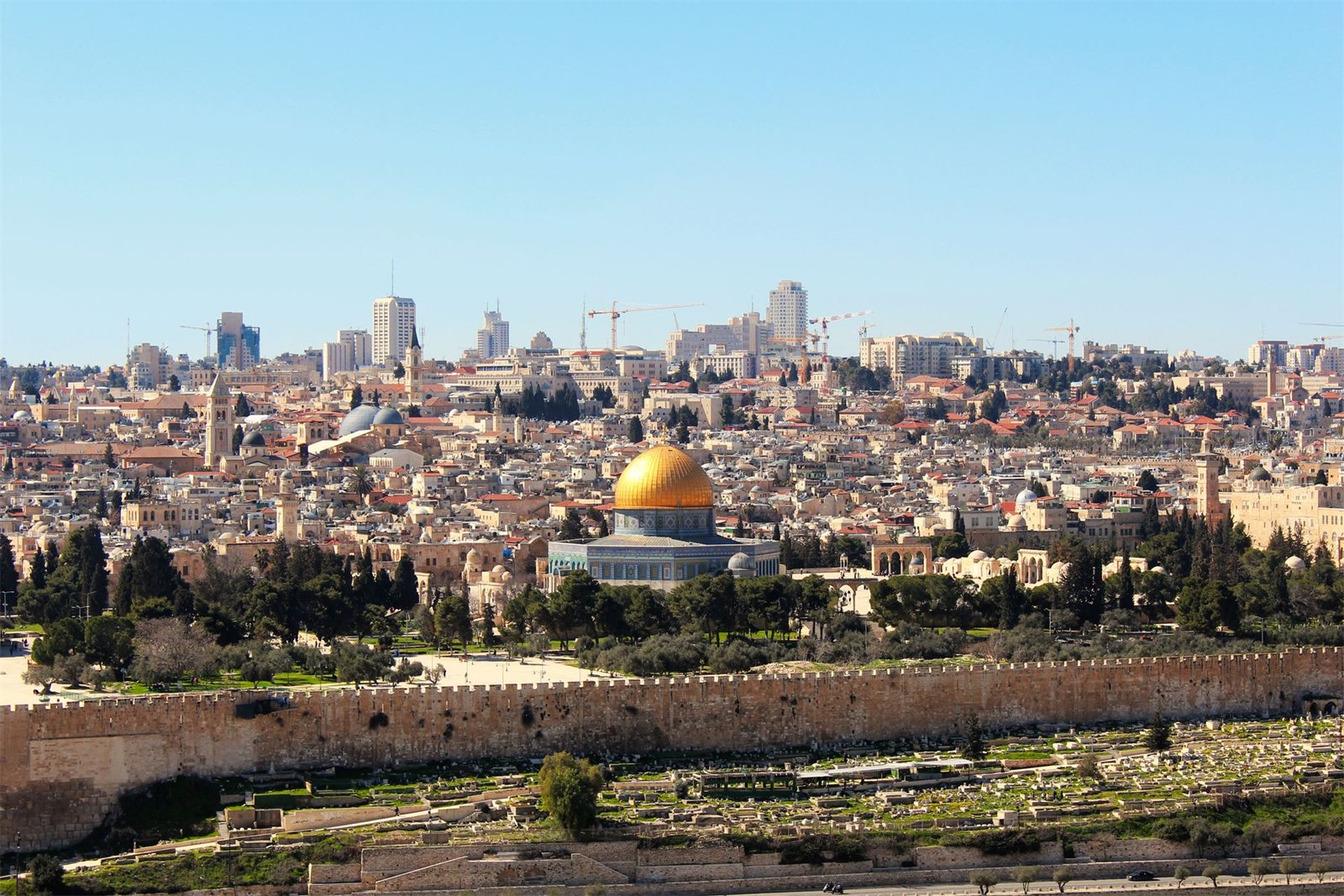
Most interestingly, the crucial stages of the war fought between the Byzantine Empire and the Persians, when the Byzantines were defeated and lost Jerusalem, had really taken place at the lowest point on earth. This specified region is the Dead Sea basin, which is situated at the intersection point of the lands belonging to Syria, Palestine, and Jordan. The "Dead Sea", lying 395 meters below sea level, really is the lowest region on Earth.
This means that the Byzantines were defeated at the lowest part of the world, just as stated in the verse.
The most interesting point lies in the fact that the altitude of the Dead Sea could only be measured with modern measurement techniques. Before that, it was impossible for anyone to know that it was the lowest region on the surface of the Earth. Yet, this region was stated to be the lowest point on the Earth in the Qur'an. Hence, this provides further evidence that the Qur'an is divine revelation.
The preservation of Pharaoh’s body
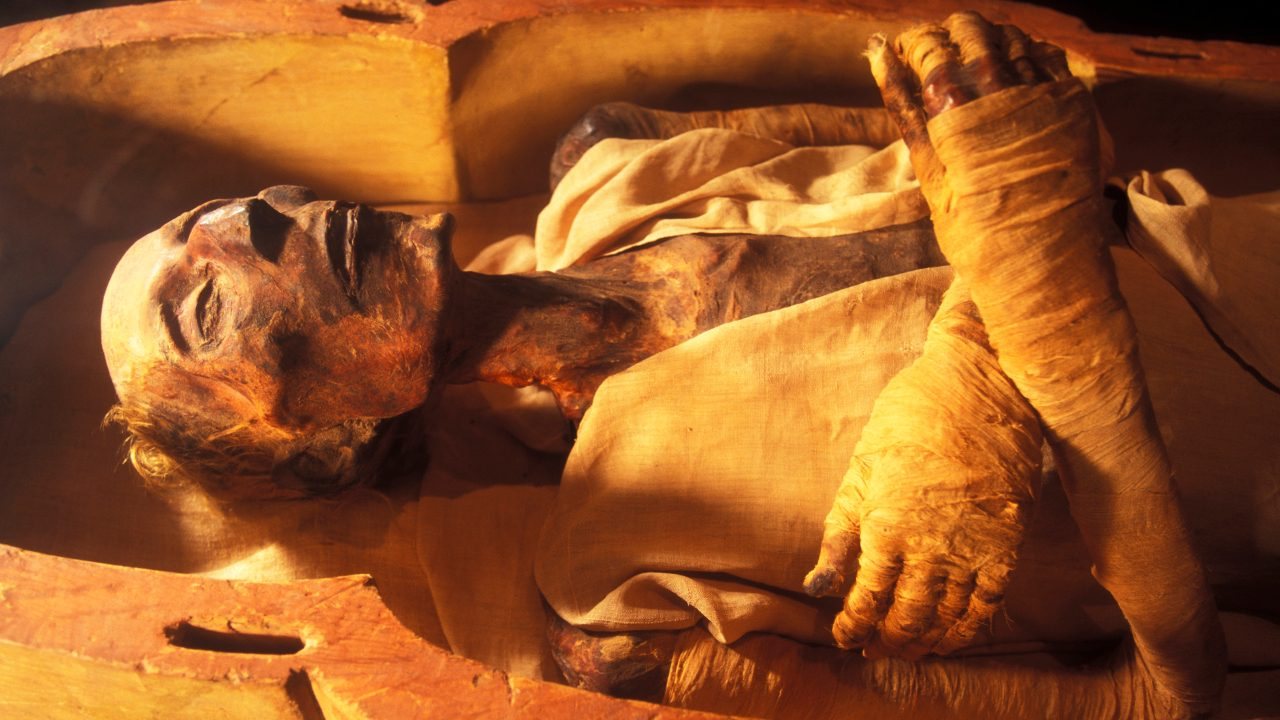
The Quran says that Pharaoh drowned, but that his body would be “saved” to be a sign for those who came after him. The mummies of Egypt’s pharaohs are still on display in a museum today.
the 3 stages cycle automatically
Cairo: the Royal Mummies Hall of the Egyptian Museum
1881: royal mummies discovered together
3000+ years: bodies preserved to this day
As we shall see later on, Pharaoh regarded himself as a deity and responded with slanders and threats to Prophet Musa's calls for him to believe in Allah. This arrogant attitude lasted until he was faced with the threat of death through drowning. The Qur'an relates that Pharaoh immediately turned to belief when faced with Allah's punishment:
However, this last-minute conversion was not accepted, for it was not sincere. According to the Qur'an, Allah exclaimed:
«What, now! When previously you rebelled and were one of the corrupters? Today we will preserve your body so you can be a sign for people who come after you. Surely many people are heedless of Our signs.»
The information that Pharaoh's corpse would serve as a sign for later generations may be regarded as an indication that his body would not decay. On display in the Royal Mummies Chamber of the Egyptian Museum in Cairo is a mummified body believed to be that of this tyrant. In all likelihood, Pharaoh's body floated to shore after being drowned, was found and mummified by the Egyptians, and then carried to a previously prepared burial chamber.259
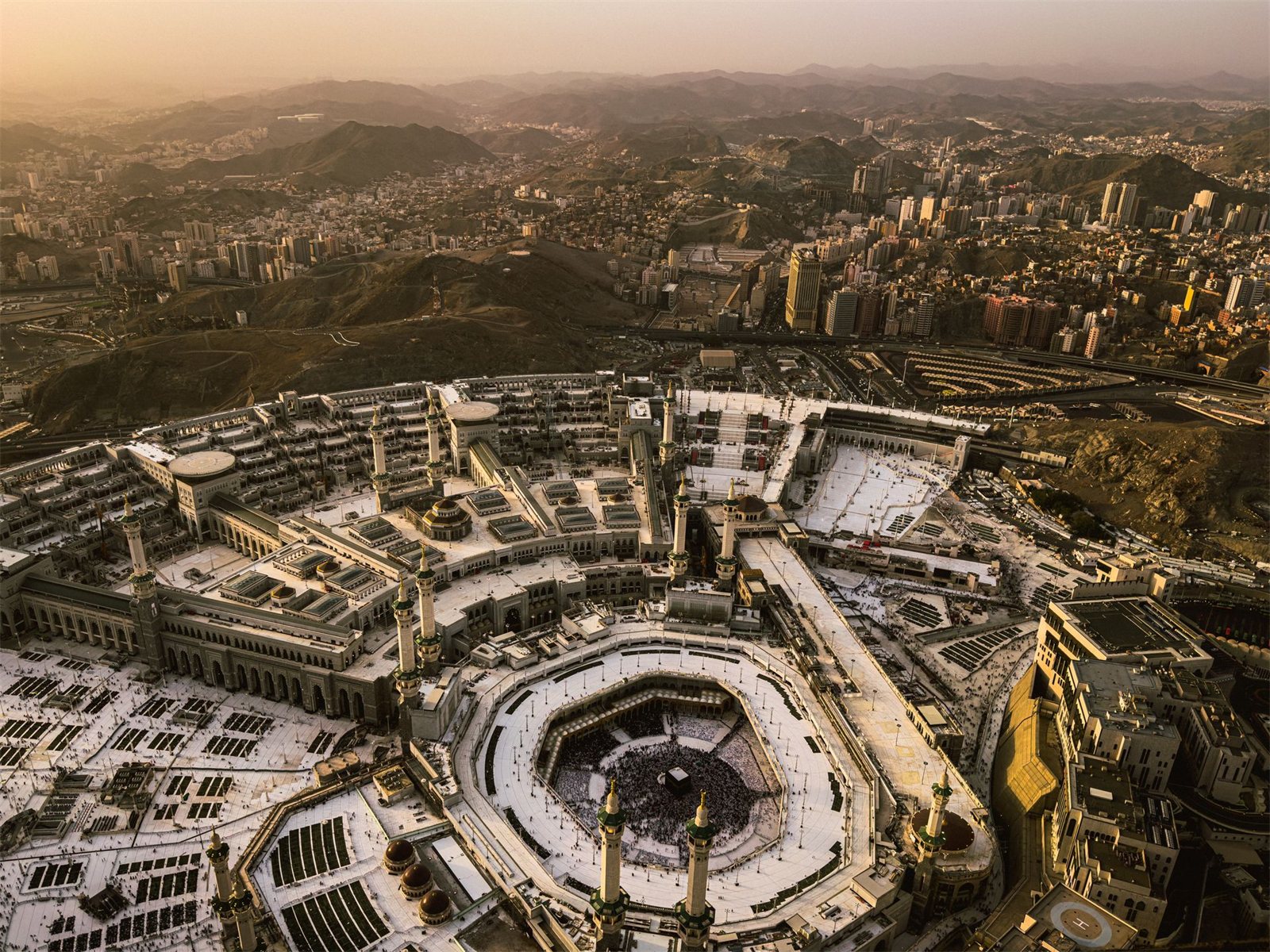
The Conquest of Makkah
One night in Madinah, the Prophet dreamed that the believers would enter the Sacred Mosque and walk around the Ka’bah.
«Allah has confirmed His Messenger's vision with truth:
You will enter the Masjid al-Haram [Sacred Mosque] in safety, Allah willing, shaving your heads and cutting your hair without any fear. He knew what you did not know and ordained, in place of this, an imminent victory.»
One night in Madinah, the Prophet dreamed that the believers would enter the Sacred Mosque and walk around the Ka’bah. After he awoke, he gave this good news to the believers, for those who had migrated from Makkah to Madinah with him had not been able to return since.
In Surat al-Fath 27, Allah revealed to the Prophet that He would help and support him, that the dream was true, and that the believers would enter Makkah. Ashort while later, with the Treaty of Hudaybiyah and the conquest of Makkah, the believers entered the Sacred Mosque in complete safety, just as the dream had foretold. That was how Allah showed that it had been His will that the Prophet's dream be fulfilled.
Other verses that give the glad tidings of Makkah's conquest are given below:
«He held their hands back from you, and your hands from them in the valley of Makkah, after giving you the upper hand over them. Allah sees what you do.»
«Truly We have granted you a clear victory, so that Allah may forgive you your earlier errors and any later ones, complete His blessing upon you, and guide you on a straight path. And so that Allah may help you with a mighty help.»
Surat al-Isra' 76 states that the unbelievers cannot stay in Makkah:
«They were very near to scaring you from the land with the object of expelling you from it. But had they done so, they would only have remained there a short time after you.»
The Prophet entered Makkah and conquered it in 8 AH (630). Two years later, all of the unbelievers left Makkah, just as Allah had said that they would. Another point that should be noted here is that when the Prophet gave that good news to the believers, it looked totally out of the question. In fact, the situation pointed in quite the opposite direction, and the polytheists appeared quite determined never to let the believers enter Makkah. As a result, those who had doubts in their hearts began to doubt the Prophet's words. Yet, the Prophet trusted in Allah, paid no attention to the doubters' words, and told people what Allah had revealed to him. The Qur'an confirmed his words, and the prediction was fulfilled shortly afterwards.
The Exploration of Space
Humanity's exploration of space was accelerated with the Soviet satellite Sputnik on 4 October 1957, which carried aloft the first man to ever leave Earth's atmosphere: Soviet cosmonaut Yuri Gagarin.
Humanity's exploration of space was accelerated with the Soviet satellite Sputnik on 4 October 1957, which carried aloft the first man to ever leave Earth's atmosphere: Soviet cosmonaut Yuri Gagarin.
In fact, the Qur'an revealed that such developments and achievements would one day be realised. For instance, Allah draws our attention to this in the following verse:
«O company of jinn and human beings! If you are able to pierce through the confines of the heavens and Earth, pierce through them. You will not pierce through, except with a clear authority.»
The Arabic word sultan, translated here as " a clear authority ," has other meanings as well: force, power, sovereignty, dominion, law, path, permission, give leave, justify, and proof.
Careful examination reveals that the above verse emphasizes that humanity will be able to move into the depths of Earth and sky, but only with a superior power. In all likelihood, this superior power is the superior technology employed in the twentieth century, for it enabled scientists to achieve this great feat.
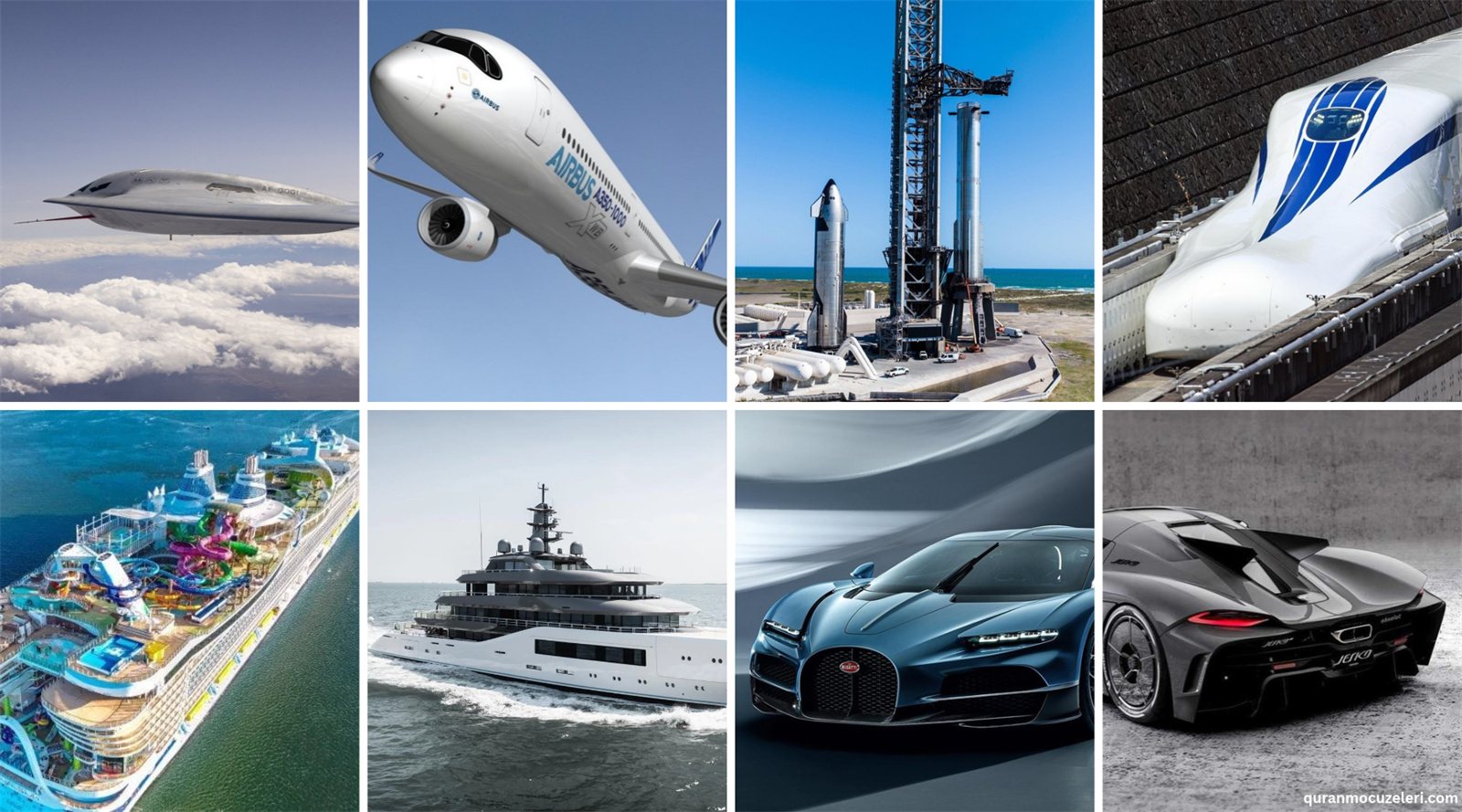
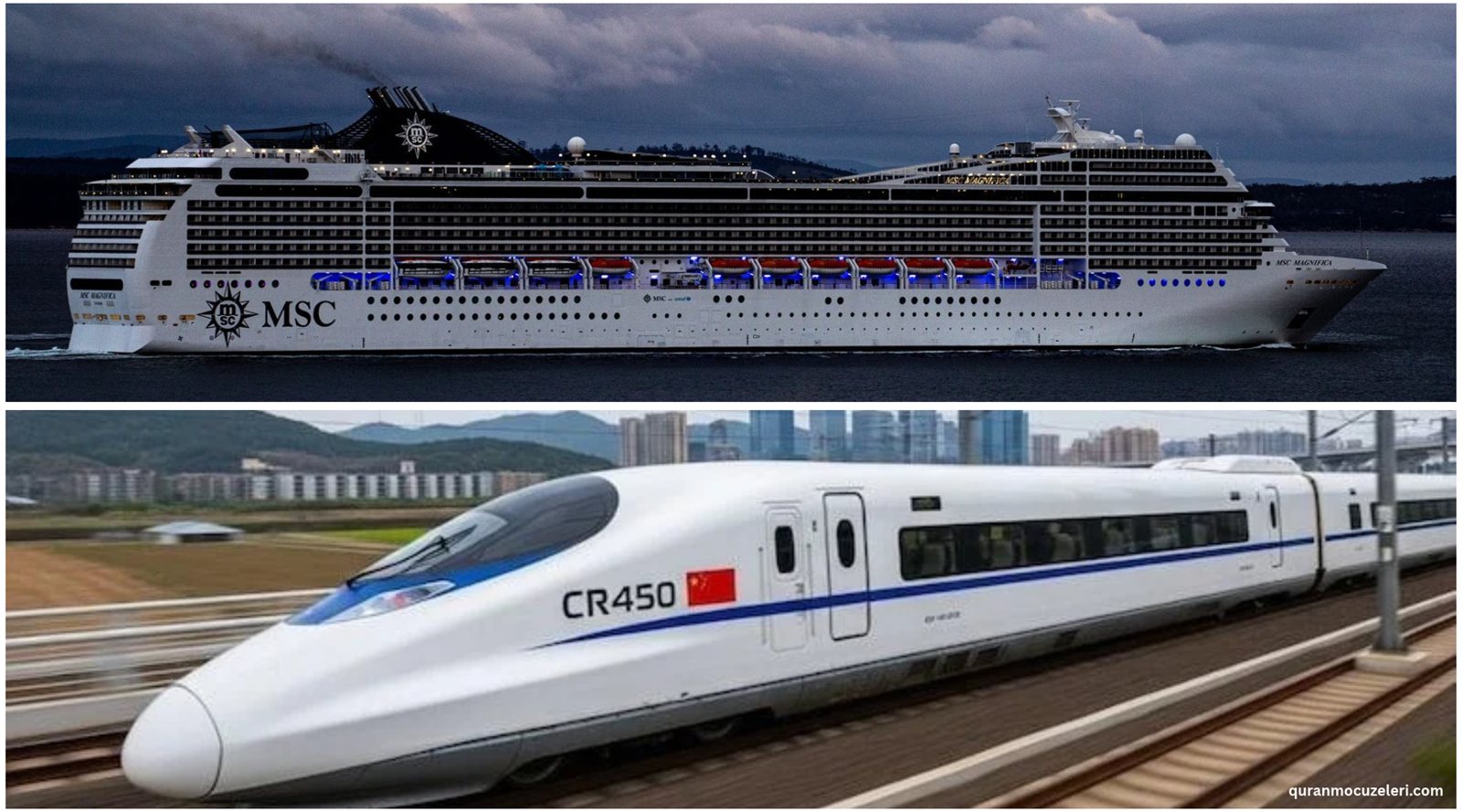
Modern Means of Transport
The above verse indicates that in addition to the animals mentioned here, people will have various unknown (to them) means of transport.
«And horses, mules, and donkeys both to ride and for adornment. And He creates other things you do not know.»
The above verse indicates that in addition to the animals mentioned here, people will have various unknown (to them) means of transport. The following verse points to the fact that there will be such mass modes of transport as ships:
«Asign for them is that We carried their families in the laden ship. And We have created for them the like of it, in which they sail.»
As the above verse relates, Allah placed the wind under Prophet Sulayman's command and allowed him to use it as a vehicle.
«And to Sulayman We gave the fiercely blowing wind, speeding at his command toward the land that We had blessed. And We had full knowledge of everything.»
As the above verse relates, Allah placed the wind under Prophet Sulayman's command and allowed him to use it as a vehicle. There is a strong possibility of an indication here that, as in Prophet Sulayman's time, wind energy will also be used in the technology of the future.
«And We gave Sulayman power over the wind-a month's journey in the morning and a month in the afternoon ...»
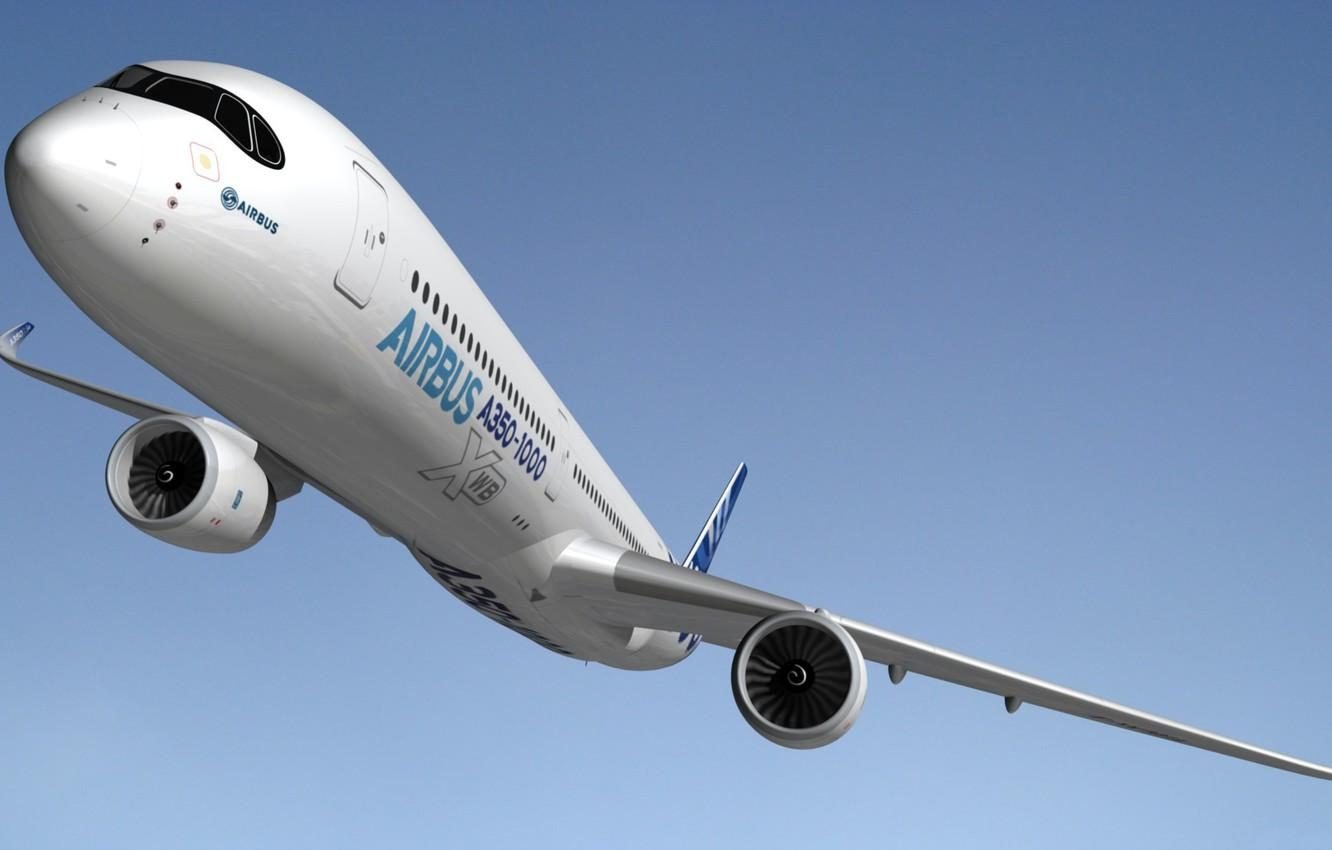
The expression " a month's journey in the morning and a month in the afternoon " may be drawing attention to the fact that Prophet Sulayman moved rapidly between different regions perhaps by using a technology similar to an airplane, or developed wind-powered vehicles that could cover long distances quickly. (Allah knows best.) There is thus a strong possibility that these verses point to modern airplane technology.
Image Transmission
In our day, text, pictures, and films can be sent anywhere in the world in a matter of seconds, thanks to the Internet and advances in computer technology.
«He who possessed knowledge of the Book said: "I will bring it [the Queen of Saba's throne] to you before your glance returns to you." And when he [Sulayman] saw it standing firmly in his presence, he said: "This is part of my Lord's favour, to test me to see if I will give thanks or show ingratitude...»
"He who possessed knowledge of the Book" told Prophet Sulayman that he could bring the Queen of Saba's throne to him very quickly. This is a possible reference to the transmission of images with present-day advanced technology. Another verse on the subject reads:
«Ademon of the jinn said: " I will bring it to you before you get up from your seat. I am strong and trustworthy enough to do it.»
In our day, text, pictures, and films can be sent anywhere in the world in a matter of seconds, thanks to the Internet and advances in computer technology. For instance, carrying the Queen's throne to Prophet Sulayman's court very quickly may well refer to the fact that it will be possible to send a three-dimensional picture or image in the blink of an eye over the Internet.
According to scientists, the teleportation of atoms and molecules, as well as larger bodies, may become possible in the near future. By this method, the item's material characteristics are removed from one location and transferred in every detail and atomic sequence to another location, where they are reconstructed. If this technology becomes operational one day, time and space will no longer represent an obstacle to travel and objects will be able to be transported anywhere in a single moment without traversing any physical distance.260
In 1998, physicists at the California Institute of Technology (Caltech) working with two European groups transported a photon. The scientists formed a copy of the photon by reading its atomic structure and then transmitted that information a distance of 1 metre (3.28 feet). In another recent teleportation experiment, Ping Koy Lam of the Australian National University (ANU) and other researchers transmitted a laser ray a short distance.261
Indeed, according to a CNN report on 17 July 2002, a group of physicists from the National Australian University in Canberra split a laser ray and "transmitted" it several metres. Ping Koy Lam, the team's head, stated that they had not yet succeeded in transmitting matter in its atomic state, but that such a thing was not impossible and may become a reality in the future.
According to a study published in the science journal Nature, Eugene Polzik of Denmark's University of Aarhus, and his colleagues performed successful experiments on a large number of atoms, using laser rays and quantum physics.262
In his analyses of teleportation's potential, published in the journal Scientific American, Australian physicist Anton Zeilinger states that far more complex systems could be teleported without violating the laws of physics.263
As the Qur'an reveals in " We will show them Our signs on the horizon and within themselves until it is clear to them that it is the truth " (Qur'an, 41:53), these scientific advances may represent a part of the technologies indicated in the Qur'an, all of which reveal its miraculous aspects.
Smell Transference
Today, scientists state that teleporting atoms and scent molecules may be possible in the near future. In Surah Yusuf 94, Prophet Yusuf's father says that he can smell his son's scent.
«He [Yusuf] said: "No blame at all will fall on you. Today you have forgiveness from Allah. He is the Most Merciful of the merciful. Go with this shirt of mine and cast it on my father's face, and he will see again. Then come to me with all your families." And when the caravan went on its way, their father said: " I can smell Yusuf's scent! You probably think I have become senile.»
Today, scientists state that teleporting atoms and scent molecules may be possible in the near future. In Surah Yusuf 94, Prophet Yusuf's father says that he can smell his son's scent. Scientists also say that it will soon be possible to send scents in the same way as pictures and three-dimensional images are sent. Therefore, this verse might be a sign of an advanced technology developing from the current research into transmitting scent.
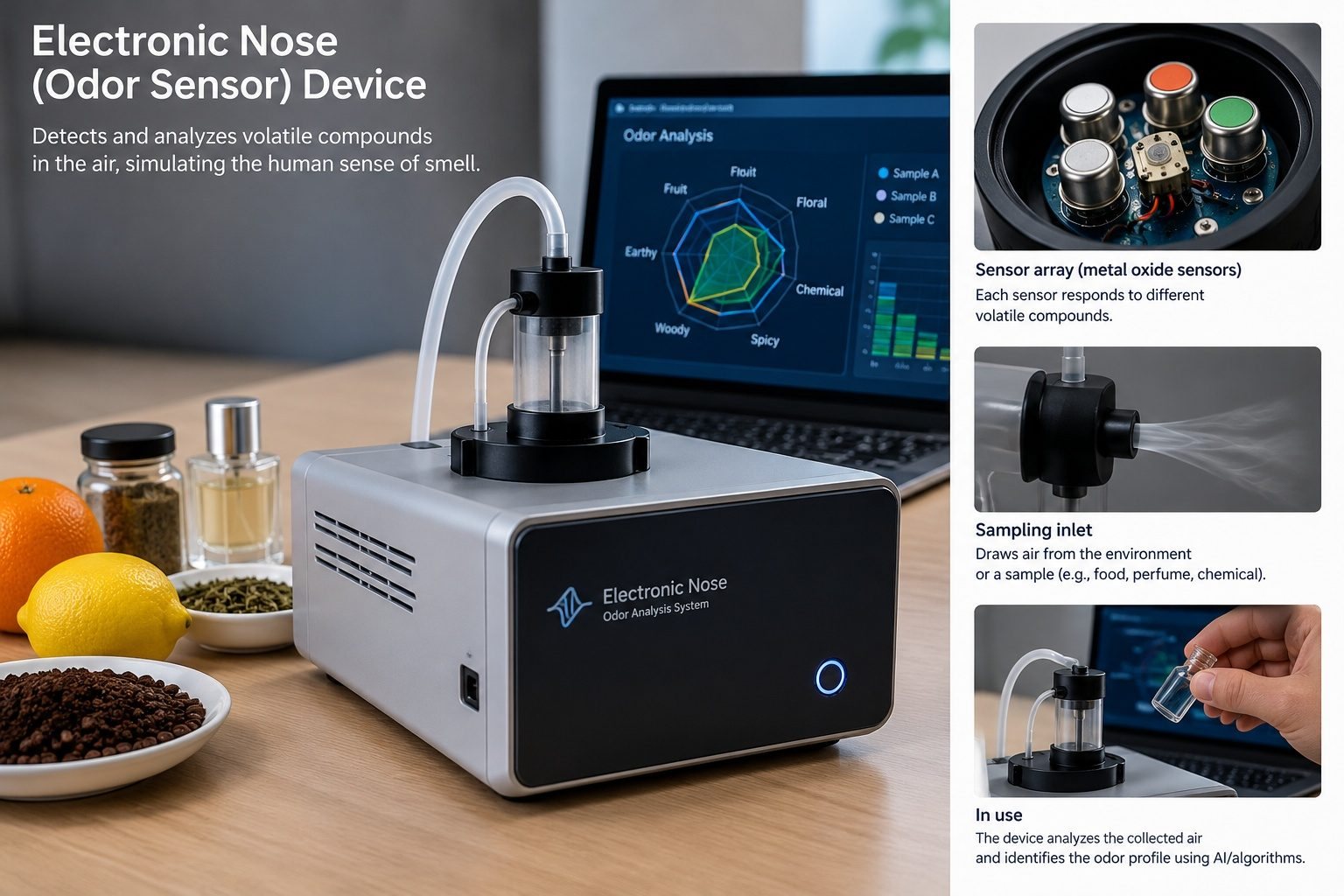
Like our other sense perceptions, smell forms in the brain. For example, a lemon peel's molecules stimulate the nose's scent receptors, which then transmit them in the form of electrical signals to the brain for analysis. Therefore, when the scent's signal is artificially formed in another form, the scent can be perceived in the same form. Indeed, the "electronic nose" is one of the research areas showing that this may well be possible in the near future.
Ahuman being's scent perception system makes it possible for a trained nose to name and distinguish some 10,000 odours. Professionals in the perfumery business who have received special chemical training are able to sniff a scent that contains 100 different odorants and then list the ingredients.264
This superior creation in the human nose has encouraged many scientists to design similar equipment. Efforts are underway in various research and development centres to replicate this human scent perception system. The models developed on this basis are termed "the electronic nose."
The human nose's receptors are composed of proteins; those in its electronic counterpart are composed of a series of chemical receptors. Each receptor is designed to detect different odours; the more their distinguishing capacities are enhanced, the more difficult production becomes and the greater the cost. The signals collected by the sensors are turned into binary codes, by means of electronic systems, and then sent to a computer. The electronic systems can be thought of as imitating the nerve cells responsible for scent detection, and the computer as the brain. The computer is programmed to analyse the data and thus interprets the binary code signals.
Electronic noses are currently being used in the food, perfumery, and chemical industries, as well as in medicine. Universities and international organizations are also providing major support for such projects. Nevertheless, as stated by Julian W. Gardner of the University of Warwick, researchers are still in the early stages of this technology.265
NASAresearchers are developing an exquisitely sensitive artificial nose for space exploration. This device, which can be programmed to distinguish between almost any compound, is far more sensitive than a human nose. It will serve as part of an intelligent safety system, and will be able to detect hazardous substances in the space station.266
The Use of Electricity
One of Allah's great blessings to Prophet Sulayman was "a fount of molten copper." This can be understood in several senses.
«And We made a fount of molten copper flow out for him.»
One of Allah's great blessings to Prophet Sulayman was "a fount of molten copper." This can be understood in several senses. By the use of melted copper, it may be referring to the existence, at his time, of an advanced technology that employed electricity. We know that copper is one of the best metals for conducting electricity and heat, and thus constitutes the basis of the electrical industry, which uses much of the copper produced in the world. The expression "flow out" may indicate that electricity can be used in many fields. (Allah knows best.)
Artesian Wells
The above verse describes how Prophet Musa's people asked him for water and how he provided places where each tribe could drink. Clearly, his people were suffering from a shortage of water.
«We divided them up into twelve tribes-communities. We revealed to Musa, when his people asked him for water:
"Strike the rock with your staff." Twelve fountains flowed out from it, and all the people knew their drinking place. And We shaded them with clouds and sent down manna and quails to them: "Eat of the good things We have provided for you." They did not wrong Us; rather, they wronged themselves.»
The above verse describes how Prophet Musa's people asked him for water and how he provided places where each tribe could drink. Clearly, his people were suffering from a shortage of water. Such shortages still exist, for more than 1 billion people today lack access to clean water, and 2.4 billion still live without improved sanitation. According to projected estimates, by 2025 about 5 billion people will not have access to sufficient amounts of water.267
Every year, some 12 million people die from water scarcity; 3 million of whom are children who die from waterborne diseases.268
Today, 31 countries, comprising 8 percent of the world's population, face chronic freshwater shortages. By 2025, this number is expected to rise to 48 countries.269
According to UN predictions, renewable freshwater will become an even more limited resource by 2025, and the number of 131 million people experiencing water problems will rise to either 817 million (according to low population growth projections) or 1.079 billion (according to high population growth projections).270
Groundwater, the largest source of fresh water on Earth, represents more than 90 percent of the readily available freshwater reserves271 and is therefore of vital importance to meeting the water needs of up to 2 billion people.272
It constitutes the primary source of water for up to 50 percent of the American population, a figure that rises to 95 percent in rural areas.273
Groundwater is also the safest and most reliable source of fresh water. At the same time, this water can be used to produce geothermal energy and save energy by using heat pumps.
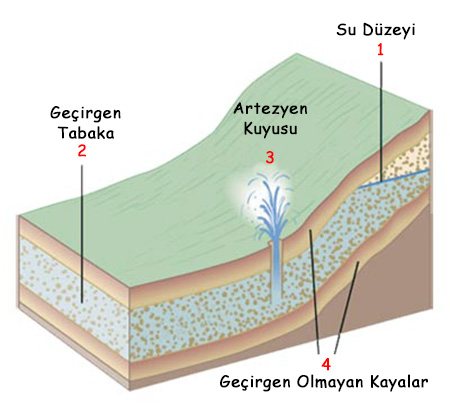
When the water sucked up from the soil meets an impermeable underground layer, it collects there and forms a water source. This water is then brought to the surface by the artesian method. Artesian springs are formed by sedimentary rocks that can store underground water.
The fact that artesian wells are drilled in rocky areas runs parallel to the description in the Qur'an. Given that Allah commanded Prophet Musa to strike the rock, Surat al-A’raf 160 may be indicating this method. (Allah knows best.) The verb idrib, translated as "strike," can also mean "to raise, to open." Thus, this verse may be describing a water source being opened by the raising of the rock. As a result, pressurized water may have emerged, as described in the verb inbajasa (to pour out, flow freely, bubble up, flow), just as happens with artesian wells. If sufficient pressure forms, water can continue to flow to the surface without the need for a pump.
It is particularly striking that current solutions for dealing with water scarcity use underground water resources. In fact, one of the most effective methods of doing so is the artesian well. In other words, we might be copying Prophet Musa's example of striking or lifting the rock without even knowing it. Surat al-A’raf 160 may therefore be a reference to artesian wells, the first of which was opened in 1126 in the French region of Artois. (Allah knows best.)
The Army-Ant in Technology
The "Valley of the Ants" refers to a special place and special ants. In addition, the fact that Prophet Sulayman could hear the ants talking among themselves may contain striking references to future developments in computer…
«Then, when they reached the Valley of the Ants, an ant said: "Ants! Enter your dwellings, so that Sulayman and his troops do not crush you unwittingly.»
The "Valley of the Ants" refers to a special place and special ants. In addition, the fact that Prophet Sulayman could hear the ants talking among themselves may contain striking references to future developments in computer technology. The present-day term "Silicon Valley" refers to the centre of the world of technology. It is most significant that a "valley of the ants" appears in the account of Prophet Sulayman's life. Allah may be drawing our attention to the advanced technology of the future.
Furthermore, ants and other insect species are widely used in advanced technology as models in robot projects and are intended to serve in a wide range of areas, from the defence industry to technology. The verse may also be referring to these developments.
Latest Developments in Miniature Technology: Army-Ant Robots
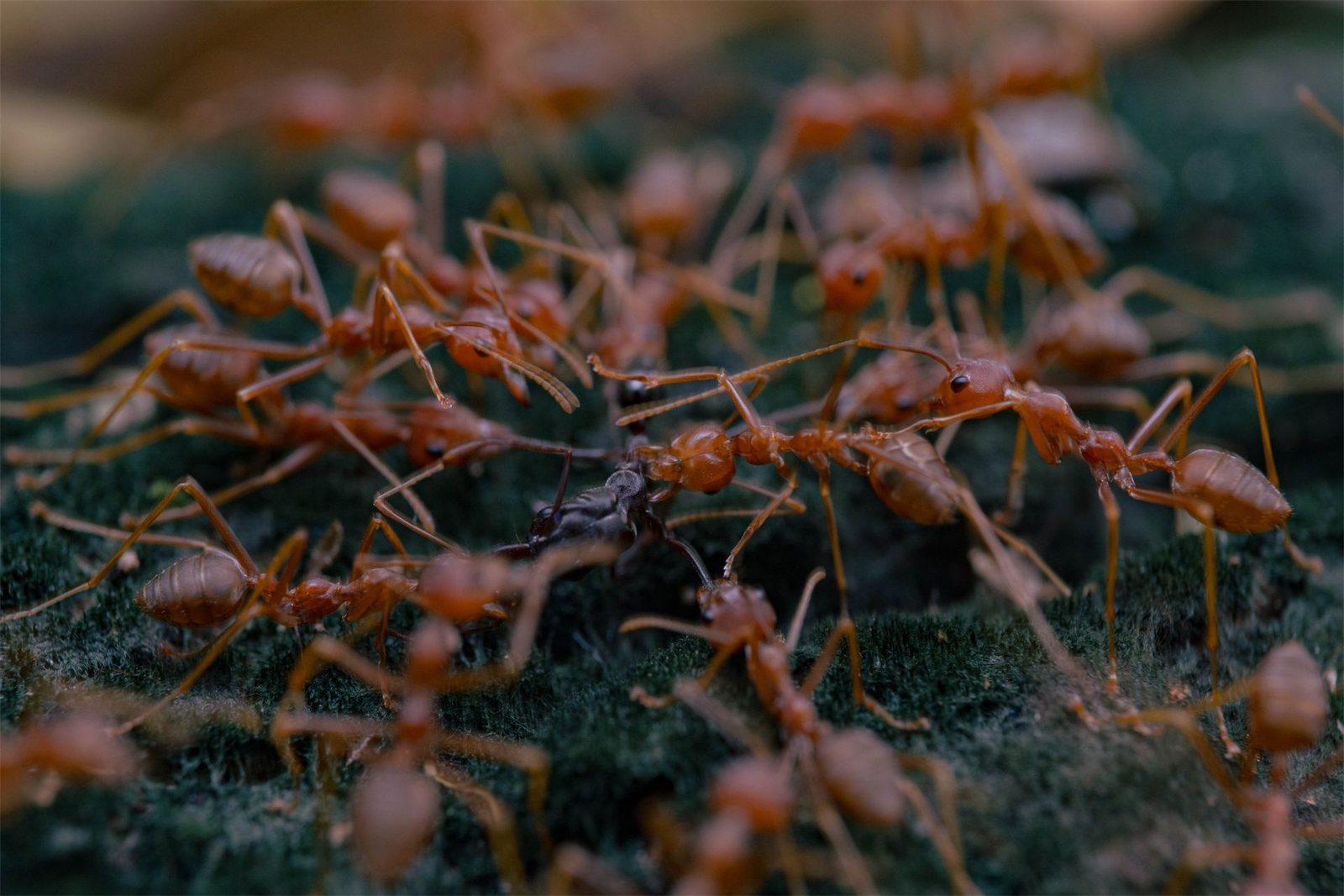
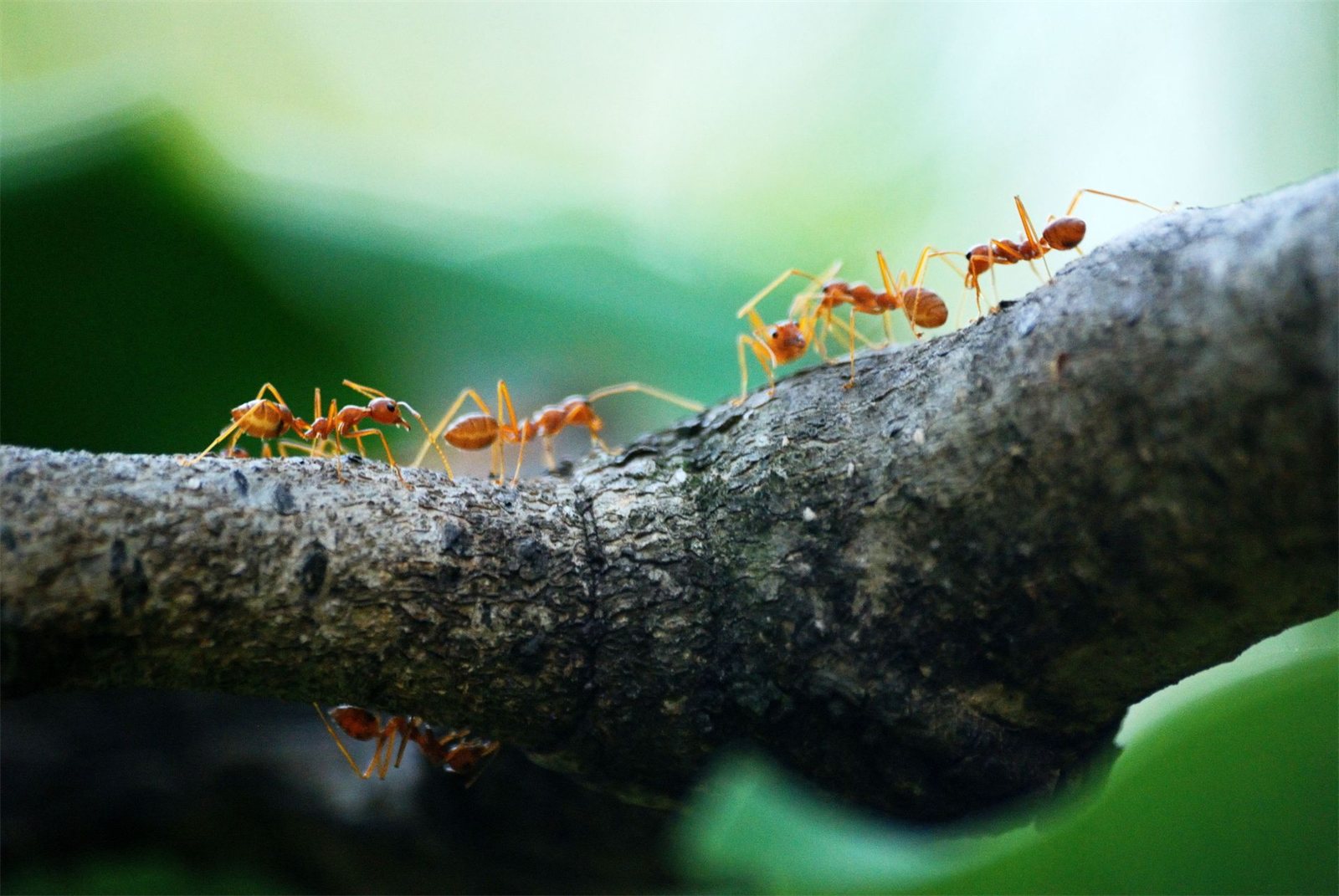
The best known project using ants as a model are the "Army-Ant Robot" projects being carried out independently in several countries. One study being carried out by the Virginia Polytechnic Institute and Virginia State University seeks to develop small, inexpensive, and simple physically identical robots that can be used as a robot army. Project officials explain these robots' functionality in the following terms: "The way they behave as a group, in a coordinated manner, perform a series of physical actions, and take joint decisions." These robot armies' mechanical and electrical designs have been based on the behaviour of an ant community. They are called the "army-ant" robots because of their similarities to their insect counterparts.
The "army-ant" robot system was originally designed as a "material-carrying system." According to this scenario, several small robots would be charged with jointly lifting and carrying objects. It was later decided that they could be used for other tasks. One report describes other tasks to which they might be assigned in the future:
As can be seen in these examples, an ant's social lifestyle forms the basis of many projects, and the various ant-based robot technologies are providing benefits for human beings. That is why it is so important that ants and their valley are referred to in the Qur'anic account of Prophet Sulayman's life. The term "ants" in the verse may refer to an army consisting of robots, future developments in robot technology, and how robots will play an important role in human life. For example, they may perform many arduous tasks and thus make people's lives more comfortable. (Allah knows best.)
Atomic Energy and Fission
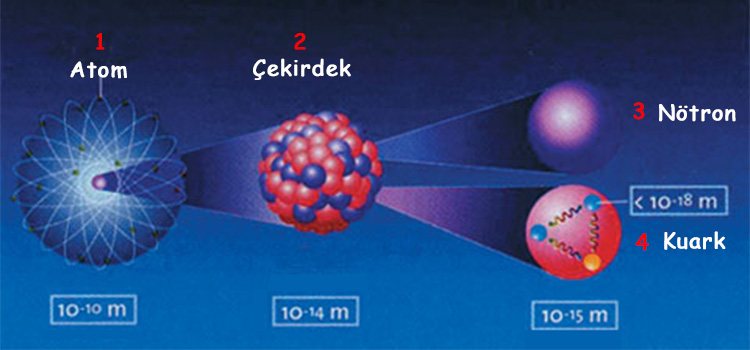
The terms "seed" ( al-habb ) and "kernel" ( al-nawaa ) in the above verse may indicate the splitting of the atom.
«Allah splits the seed and kernel. He brings forth the living from the dead, and produces the dead out of the living. That is Allah, so how are you misguided?»
The terms "seed" ( al-habb ) and "kernel" ( al-nawaa ) in the above verse may indicate the splitting of the atom. Indeed, the dictionary meanings of al-nawaa include "nucleus, centre, atomic nucleus." Furthermore, the description of bringing forth the living from the dead can be interpreted as Allah creating matter from dead energy. Producing the dead out of the living may refer to energy (dead) emerging from matter (living), since the atom is in motion. (Allah knows best.) That is because as well as "living," al-hayy can also mean "active, energetic." With its meaning of "non-living," al-mayyit, translated above as "dead," may very probably refer to energy.
Scientists define energy as the capacity for doing work. Matter, the material that comprises all things on Earth and in the universe, consists of atoms and molecules that can be seen to be in motion under an electron microscope. In the early twentieth century, Albert Einstein (d. 1955) theorised that matter could be converted into energy, suggesting that the two were inter-related at the atomic level.276
This may be the bringing forth of the dead from the living, as described above, or, in other words, obtaining energy from matter, which is in motion at the atomic level. In addition, yukhriju, translated as "bringing forth," also means "bringing out, emitting" (as in the case of electrical waves). Therefore, the terms in this verse may be indicating the form of energy obtained from the atom. (Allah knows best.)
Scientists can now split the atom by dividing its nucleus. Taking Einstein's theories as their starting point, they obtained energy from matter in the 1940s by means of nuclear fission, the process of splitting the atomic nucleus. The word faaliqu in Surat al-An’am 95, translated as "to split," may be a reference to fission's dictionary meaning: the process of splitting (the atom's nucleus). When this process takes place, enormous amounts of energy are released.
The words in Surat al-An’am 95 are very wise in terms of their meanings. The phenomena described in this verse bear a very close resemblance to the splitting of the atom's nucleus in order to obtain atomic energy. The verse may therefore be a reference to nuclear fission, which was only made possible by twentieth-century technology. (Allah knows best.)
Present-Day Radar Technology
The above verses refer to the superior attributes bestowed on the Prophets David and Solomon, and inform us that each was given knowledge from the Presence of Allah.
«We gave David great favor from Us:
'O mountains and birds! Echo with him in his praise!' And We made iron malleable for him:»
«We gave Solomon understanding of it. We gave each of them judgment and knowledge. We subjected the mountains to David, glorifying, and the birds as well. This is something We are well able to do.»
The above verses refer to the superior attributes bestowed on the Prophets David and Solomon, and inform us that each was given knowledge from the Presence of Allah. The words chosen may refer to present-day radar technology, which works by the reflection of electromagnetic waves. (Allah knows the truth.) The word"awwibee" in verse 10 of Surah Saba', translated as "echoing"in the verse and meaning "the return or reiteration of sound," is reminiscent of echo-based radar technology as well as radio receivers mentioned in previous pages.
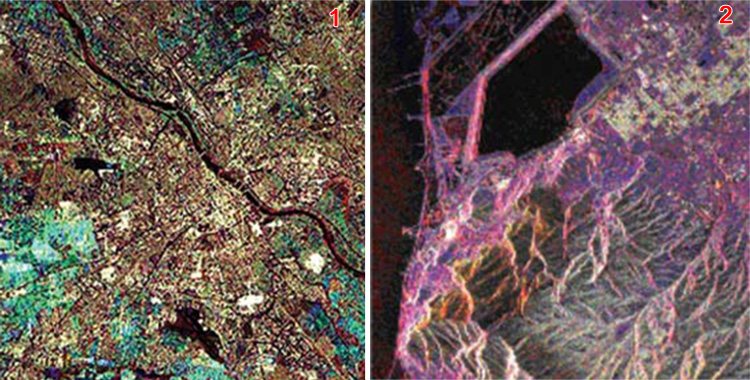
An image of Warsaw in Poland obtained using radar. A radar image taken by satellite. This image, formed using microwaves, shows a mountainous region of Salt Lake City, Utah.
Radar is a location device used to determine the location, speed and direction of mobile or stationary objects, and works by reflecting micro-waves.277 The operating principle of radar bears a close similarity to the reflection of sound. For example, someone shouting in a valley or a cave hears his own voice being reflected back to him. If we know how fast sound travels through the air, we can calculate the distance and general direction of the object it bounces off.
In the radar system, electromagnetic energy signals are used in very much the same way. Signals with a microwave frequency are emitted toward an object and then return after being reflected by it. This part of the signal returning to the radar is called an "echo." Radar devices use this echo to determine the direction and distance of the object doing the reflecting.278 Since they also use electromagnetic energy, radio, television and the human eye all bear a close resemblance to radar systems, though their frequencies are ultimately different. In addition, radar uses the reflected energy known as the "echo," rather than directly transmitted energy as in these examples.279 Reflected signals are converted into numerical values by the radar receiver and recorded as data on "echo stores." Finally, the data is processed and converted into images.280
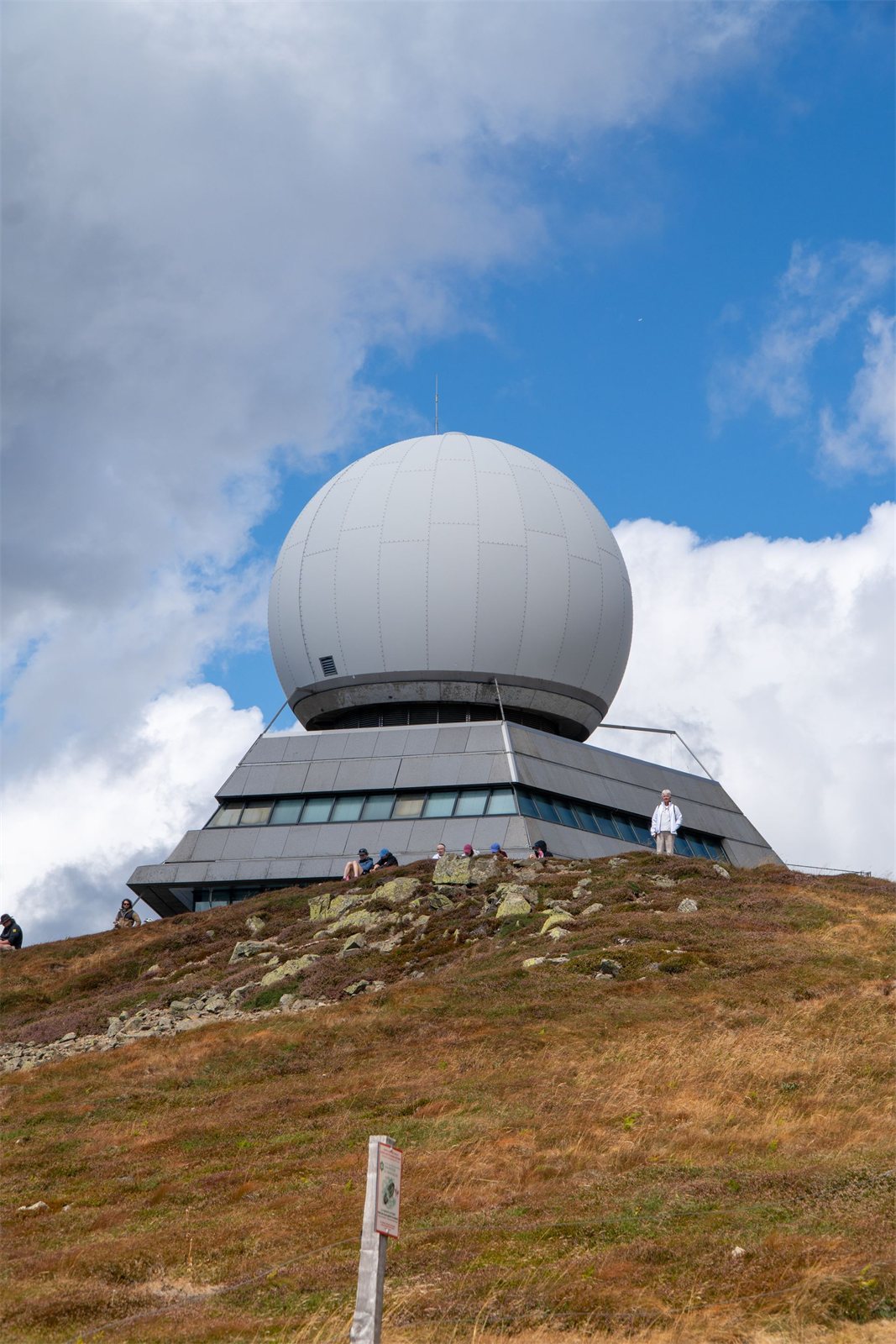
Radar used to control the traffic in New Zealand. This 27-meter-high radar facility, reminiscent of a fly's eye, scans the sky above northern Alaska and is used as an early warning system against ballistic missiles. Air radar used to identify powerful storms and track their movements.
The use of the Arabic verb "alanna," meaning "We have made malleable,"in the tenth verse of Surah Saba' is again exceedingly wise. Iron is still described as soft, or malleable, despite being physically very hard. This form of iron, known as"soft magnetic iron" because of its magnetic properties is used greatly in radar and satellite technology.281 Soft iron is used because it strengthens the magnetic field and can be opened and closed as desired.
"The wind being told to blow at his command" is how the Qur’an describes the power given to the Prophet Solomon. Verse 36 of Sura Sad may very well be a reference to electromagnetic signals being transmitted as desired in the air—thanks to the use of soft iron. (Allah knows the truth.)
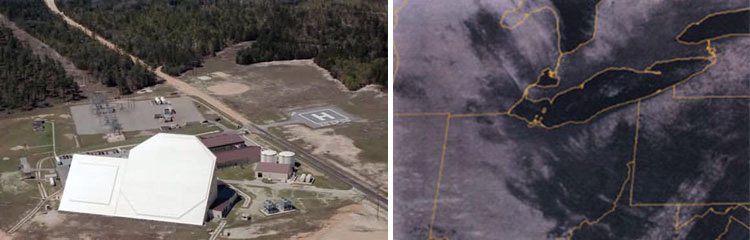
This radar facility, constructed in Florida in the 1960s, was used to identify ballistic missiles launched from submarines. This satellite photograph (above) taken on 2 March, 1999, shows the clouds over Ohio, USA. "Soft iron" is frequently used in satellite and radar technologies because of its magnetic properties. Soft iron strengthens the magnetic field. The expression "We made iron malleable for him..." in verse 10 of Surah Saba' may be a reference to the soft iron used in satellite and radio technologies. (Allah knows the truth.)
The radar imaging used today scans the world at every moment and developments taking place anywhere on the earth can thus be constantly monitored. In addition, data can be collected about physical features on earth, such as mountains, glaciers and the oceans—and also about man-made objects, such as houses, bridges and cars. This operating principle, as well as the materials used in this advanced technology, can be found in the Qur’an. Could anybody have know these facts in the middle of the Arabian Peninsula in the 7th century AD? This information can only have come from our Lord, Who created past and future as a single moment and Who is unfettered by time.